iPhone SE (2020) Vs Sony Xperia 5 IV

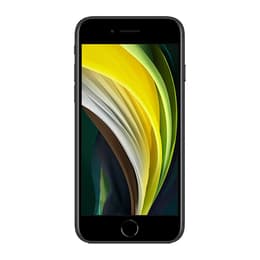
iPhone SE (2020)
iPhone SE (2020)
Starting at

Refurbished price:£67.00

Versus £289.00 new

See options
Sony Xperia 5 IV
Sony Xperia 5 IV
Starting at

Refurbished price:£299.00

Versus £1,199.00 new

See options

Ratings

The iPhone SE (2020) and the Sony Xperia 5 IV (2022) represent two distinct philosophies in the smartphone market. While the iPhone SE (2020) focuses on providing a familiar, compact experience within the iOS ecosystem, the Sony Xperia 5 IV is a media-centric Android device designed for users who prioritise photography and cinematic viewing. These devices differ significantly in their release timing, physical dimensions, and core features, catering to very different user priorities. The iPhone runs on Apple's iOS, known for its simplicity and long-term support, while the Sony utilizes Android, offering more customisation and specialised hardware features.

Scores

Durability

When evaluating how long these devices will remain functional and relevant, the primary factors are software support timelines and physical build quality.

  • Software Longevity: Despite being released in 2020, the iPhone SE is expected to receive system updates for several more years, potentially until 2027 or 2028, due to Apple's history of long-term support. The Sony Xperia 5 IV, launched in 2022, typically follows a shorter update cycle, with major system upgrades often concluding after two or three years, though security patches may continue longer.
  • Repairability and Maintenance: The iPhone SE (2020) benefits from a widely available network of repair services and parts, making battery replacements or screen repairs straightforward. The Sony Xperia 5 IV is a more specialised device, which may require seeking out specific technicians for hardware issues. Choosing a quality-assured refurbished option can extend the lifecycle of these devices by ensuring they have been professionally inspected and maintained.
  • Build Durability: Both phones feature glass and metal constructions with water and dust resistance ratings. The iPhone SE uses a classic design that has proven resilient over time, while the Sony features a more modern, elongated build that requires careful handling due to its unique dimensions.

Year of Release

2020

2022

Compatible with latest Update

Yes

No

OS

iOS

Android

Foldable

No

No

Performance

Performance differences between these two smartphones are most apparent when looking at multitasking capabilities and battery endurance during a typical day.

  • System Responsiveness: The iPhone SE (2020) uses efficient internal hardware that ensures smooth app transitions and quick loading times for everyday tasks like messaging and web browsing. The Sony Xperia 5 IV is equipped with a high-performance processor capable of handling intensive creative applications, high-end mobile gaming, and complex multitasking without significant slowdowns.
  • Battery Endurance: The iPhone SE features a relatively small battery capacity, which modest users may find sufficient for a full day, but heavy users will likely need to charge by late afternoon. In contrast, the Sony Xperia 5 IV houses a much larger battery, designed to comfortably last through a full day of heavy media consumption and photography.
  • Storage and Memory: While the iPhone offers fixed storage options, the Sony provides the added flexibility of a microSD card slot, allowing users to expand their storage for large video files or photo libraries. The Sony also includes more memory for keeping multiple apps open simultaneously.

Memory (GB)

3 GB

8 GB

Screen quality

The viewing experience is one of the most significant differentiators, as the two devices use fundamentally different display technologies and shapes.

  • Display Technology: The iPhone SE (2020) features a 4.7-inch LCD screen that provides natural colours and clear text for daily use. The Sony Xperia 5 IV uses a 6.1-inch OLED display, where each pixel produces its own light, resulting in much deeper blacks, more vibrant colours, and better energy efficiency when viewing dark content.
  • Smoothness and Clarity: Sony’s display supports a 120Hz refresh rate, meaning the image updates 120 times per second. This makes scrolling through social media and system animations appear much smoother than on the iPhone’s standard 60Hz screen. The Sony also offers a higher resolution, providing more detail for high-definition videos.
  • Aspect Ratio and Size: The Sony features a unique 21:9 aspect ratio, which is tall and narrow, making it ideal for watching cinematic films without black bars. The iPhone SE maintains the traditional 16:9 ratio with larger borders at the top and bottom, which some users prefer for its classic look and ease of one-handed reach.

Resolution

750 x 1334

1080 x 2520

Screen type

Retina IPS LCD

OLED

Audiovisual

Photography enthusiasts will find that these devices offer very different approaches to capturing images and recording video.

  • Camera Versatility: The iPhone SE (2020) keeps things simple with a single rear lens that excels at quick, reliable point-and-shoot photography with accurate skin tones. The Sony Xperia 5 IV features a triple-lens system, including dedicated wide, ultra-wide, and telephoto lenses, giving users the ability to zoom in on distant subjects or capture wide landscapes.
  • Manual Controls and Video: Sony targets creative users by including professional-grade manual controls for both photos and video, allowing for precise adjustments to focus and exposure. The iPhone focuses on automated processing, ensuring that most videos look great with minimal effort, supporting high-quality recording even in challenging light.
  • Audio Experience: For media consumption, the Sony Xperia 5 IV includes front-facing stereo speakers and a dedicated headphone jack, which is rare in modern smartphones. The iPhone SE uses a combination of speakers for stereo sound but requires an adapter or wireless headphones for private listening.

Main camera

12 megapixels

12 megapixels

Front camera

7 megapixels

12 megapixels

Miscellaneous

Practical daily usage is influenced by connectivity standards, physical ports, and the methods used to secure the device.

  • Connectivity and Speed: The Sony Xperia 5 IV supports 5G networks, allowing for faster download speeds and better performance in crowded areas. The iPhone SE (2020) is limited to 4G LTE, which remains perfectly functional for most tasks but lacks the future-readiness of 5G.
  • Biometrics and Ports: The iPhone SE uses the classic Home button with a fingerprint sensor for secure unlocking. The Sony places its fingerprint sensor on the side power button. Additionally, the Sony uses a universal USB-C port for charging, while the iPhone uses Apple’s proprietary Lightning connector.
  • Portability and Handling: The iPhone SE is one of the smallest and lightest smartphones available, making it exceptionally easy to use with one hand or fit into small pockets. The Sony is taller but remains narrow, which helps with grip, though its height may make reaching the top of the screen a two-handed task for some.

Weight

148 g

172 g

Screen size (in)

4.7

6,1

Mobile network

4G

5G

SIM card

Physical SIM + eSIM

Physical SIM + eSIM

Carrier compatibility

Unlocked

Unlocked

Connector

Lightning

USB-C + Jack 3.5mm

In summary, the choice between the iPhone SE (2020) and the Sony Xperia 5 IV depends largely on a user's relationship with their smartphone. According to user discussions on various forums, the iPhone SE is frequently praised for its compact size and the reliability of the iOS ecosystem, though many users note that the battery life requires careful management. The Sony Xperia 5 IV receives high marks for its exceptional screen, long-lasting battery, and the inclusion of a headphone jack, though some users have raised concerns regarding heat management during intensive tasks and the longevity of software updates.

Users who prioritise a simple, compact, and familiar experience will likely find the iPhone SE (2020) well-suited to their needs, especially if they are already integrated into the Apple ecosystem. Conversely, those who use their phone as a primary device for media consumption, photography, or gaming may lean toward the Sony Xperia 5 IV for its superior display technology and versatile camera system. Both devices represent a sustainable choice through refurbishment, offering a way to access high-quality technology while reducing environmental impact. Ultimately, the iPhone SE serves the modest user seeking longevity, while the Sony Xperia 5 IV caters to the power user seeking a specialised multimedia tool.

See all articles

Our recent comparisons