
Compare models
Galaxy S25 FE Vs iPhone 17
- 1-year minimum warranty
- Free delivery on all items
- Free 30-day returns
Differences at a glance
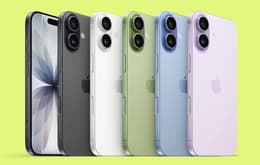
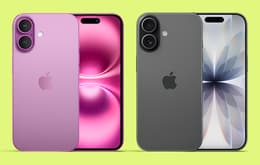
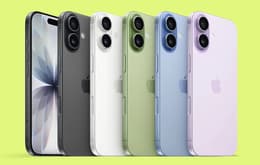
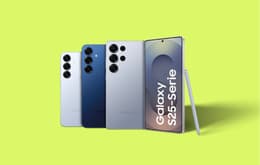
The Samsung Galaxy S25 FE (2025) and the Apple iPhone 17 (2025) are contemporary smartphones designed to deliver flagship-tier experiences within their respective ecosystems. While both models run on different operating systems—Android and iOS—they target users looking for reliable everyday communication, responsive multitasking, and capable cameras. The primary distinctions lie in their software environments, screen proportions, and physical configurations, allowing each device to cater to different user preferences.
Available Models
Colour
Storage (GB)
Scores
Durability
Both smartphones provide robust physical durability and long-term software support, though they handle updates and repairs through different manufacturer frameworks.
- Software longevity: Both devices receive multi-year operating system updates and security patches from their respective manufacturers, ensuring software compatibility for several years.
- Repairability and build: Both models utilize strong front and back glass panels framed by aluminum or reinforced materials, holding standard water and dust resistance ratings for daily protection against accidental spills.
- Practical lifespan: Solid build construction and consistent software maintenance allow both phones to sustain reliable everyday functionality over a multi-year ownership window.
Year of Release
2025
2025
Compatible with latest Update
Yes
Yes
OS
Android
iOS
Foldable
No
No
Performance
Equipped with current-generation internal hardware, both phones handle everyday mobile workloads, media streaming, and demanding applications without notable stutter or delay.
- Multitasking and storage: Both models feature ample random access memory alongside generous internal storage configurations, allowing smooth switching between multiple active applications.
- Battery behavior: Both devices manage daily power consumption efficiently, comfortably lasting through standard mixed-use patterns involving web browsing, messaging, and video playback before requiring a recharge.
- System responsiveness: Modern processing architecture ensures rapid app loading times, fluid interface animations, and dependable performance during graphics-intensive tasks.
Screen quality
Visual output on both devices relies on advanced display panels that deliver crisp text rendering, deep contrast levels, and smooth motion handling.
- Display technology: Both phones utilize high-definition organic light-emitting diode panels that produce vibrant colors and wide viewing angles for media consumption and reading.
- Brightness and outdoor visibility: High peak brightness capabilities ensure that screens remain easily legible under direct sunlight or bright outdoor lighting conditions.
- Refresh rate: Smooth screen refresh rates provide fluid scrolling through web pages and responsive touch feedback during daily navigation.
Audiovisual
The photographic systems on both smartphones offer versatile capture tools suitable for quick snapshots, detailed landscapes, and high-definition video recording.
- Camera versatility: Both models incorporate multiple rear lenses—including primary and ultra-wide options—alongside capable front-facing sensors for video calls and self-portraits.
- Low-light performance: Advanced image processing helps capture clear details and balanced lighting in dim environments without excessive noise.
- Media and audio output: Integrated stereo speakers deliver clear sound reproduction for video watching, while multi-microphone setups ensure clean audio capture during voice calls and video recording.
Miscellaneous
Practical daily usability is shaped by connectivity standards, physical dimensions, and biometric security features tailored to each device design.
- Connectivity and ports: Both smartphones support modern fifth-generation cellular networks, rapid wireless protocols, and universal USB Type-C physical charging standards.
- Handling and dimensions: Ergonomic proportions and balanced weight distributions make both handsets comfortable for single-handed texting and pocket storage.
- Security sensors: Both devices offer secure biometric authentication methods through facial recognition or fingerprint scanning to protect personal data.
Weight
190 g
177 g
Screen size (in)
6.7
6.3
Mobile network
5G
5G
SIM card
Physical SIM + eSIM
eSIM
Carrier compatibility
Unlocked
Unlocked
Connector
USB-C
USB-C
What the community thinks
User discussions across public forums frequently praise the Samsung Galaxy S25 FE for its flexible Android customization options, expansive screen real estate, and smooth integration with diverse accessories. Conversely, owners of the Apple iPhone 17 frequently highlight its fluid operating system animations, reliable build longevity, and tight synchronization within the broader Apple hardware ecosystem. Common criticisms for both devices occasionally center on gradual battery degradation over years of heavy usage and the absence of expandable storage slots.
Users who prioritize customisation, open file sharing, and a larger workspace may prefer the Galaxy S25 FE, while users who value streamlined software updates, minimalist interfaces, and ecosystem continuity will lean toward the iPhone 17. For those seeking a quality-assured refurbished option, Back Market provides sustainable choices that extend device lifecycles while reducing electronic waste. Ultimately, your choice depends on which operating system environment and physical layout best match your daily routine.