
Compare models
iPhone 17 Vs iPhone 17e
- 1-year minimum warranty
- Free delivery on all items
- Free 30-day returns
Differences at a glance
The iPhone 17 (2025) and iPhone 17e (2026) are contemporary smartphones sharing Apple's modern operating system ecosystem while catering to different user preferences. While both devices incorporate current-generation internal architecture and robust software support, the standard iPhone 17 emphasizes an expanded display experience and a dual-lens camera setup, whereas the iPhone 17e focuses on providing core capabilities within a familiar, streamlined form factor.
Available Models
Colour
Storage (GB)
Scores
Durability
Both models benefit from long-term software support and robust hardware durability, though their release schedules place them at slightly different points in their market lifecycles.
- Software Longevity: Both devices receive multi-year operating system updates and security patches, ensuring extended usability and current feature integration over time.
- Build Resilience: Each model incorporates hardened front glass protection and water resistance ratings designed to withstand daily wear and environmental exposure during regular use.
- Repairability and Support: Structured component layouts and widely available service options allow for straightforward maintenance, making quality-assured refurbished options a sustainable choice for extending device lifespans.
Year of Release
2025
2026
Performance
Under everyday conditions, both devices handle demanding applications, multitasking, and system navigation smoothly thanks to current-generation processing hardware.
- System Responsiveness: Apps load quickly and switching between background tasks remains fluid, providing consistent performance for productivity and media consumption.
- Battery Behavior: Both models deliver reliable all-day power efficiency under typical usage patterns, supporting continuous communication, web browsing, and media streaming without constant recharging.
- Multitasking Capacity: Generous memory allocation enables seamless operation when running multiple resource-heavy applications simultaneously.
Screen quality
The viewing experiences differ mainly in screen dimensions and refresh rate behavior, influencing smoothness and visual immersion.
- Display Technology: Both models utilize vibrant OLED panels with deep contrast levels, sharp resolution, and high peak brightness for clear outdoor visibility.
- Refresh Rate and Motion: The standard iPhone 17 includes adaptive high refresh rate technology for smoother scrolling and animations, while the iPhone 17e features a standard refresh rate suitable for everyday viewing.
- Screen Real Estate: The iPhone 17 offers a slightly larger diagonal workspace, whereas the iPhone 17e maintains a compact, easily manageable footprint for single-handed operation.
Audiovisual
Photography and audio capabilities vary to match different capture needs, ranging from single-lens simplicity to versatile multi-camera flexibility.
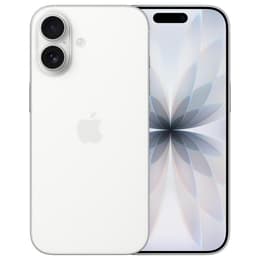
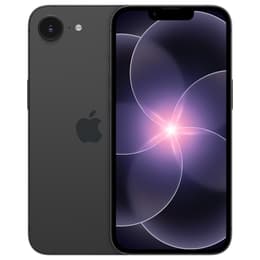
- Rear Camera Systems: The iPhone 17 features a dual-lens configuration with wide and ultra-wide capabilities, while the iPhone 17e utilizes a versatile single main sensor with high-resolution cropping for optical-quality zoom.
- Video and Low Light: Both devices capture detailed 4K video with advanced stabilization and perform reliably in challenging lighting environments.
- Audio Output: Built-in stereo speaker systems deliver clear sound for hands-free calls, podcasts, and casual media playback.
Miscellaneous
Physical design choices and connectivity standards shape the everyday handling and accessory compatibility of both smartphones.
- Connectivity Standards: Both models support fast 5G cellular networks, modern Wi-Fi protocols, and dependable Bluetooth pairing for wireless accessories.
- Charging and Ports: Each device features a universal USB-C port for wired connections and supports wireless charging convenience.
- Physical Dimensions: The iPhone 17 offers a slightly larger footprint, while the iPhone 17e keeps a lighter, more compact profile that fits easily into smaller pockets.
Screen size (in)
6.3
6.1
Mobile network
5G
5G
SIM card
eSIM
eSIM
Carrier compatibility
Unlocked
Unlocked
Connector
USB-C
USB-C (USB 2)
What the community thinks
User discussions across community forums highlight the reliable performance, robust battery life, and high-resolution displays of both devices, though some users note preferences for either larger screen real estate or compact handling. Users prioritizing expansive media viewing and fluid display motion may prefer the iPhone 17, while users seeking a lighter, more compact everyday device will find the iPhone 17e well-suited to their needs.
Choosing between these models depends entirely on personal preferences regarding display size and camera versatility. For buyers interested in more sustainable purchasing habits, exploring quality-assured refurbished options provides an eco-friendly alternative without compromising on modern smartphone capabilities.