'%3e%3cpath%20fill='%23f0f0f0'%20d='M40%200H0v26.667h40V0'/%3e%3cpath%20fill='%23d80027'%20d='M22.5%200h-5v10.833H0v5h17.5v10.833h5V15.833H40v-5H22.5V0'/%3e%3cpath%20fill='%230052b4'%20d='M30.765%2017.97%2040%2023.102v-5.13h-9.235m-6.417-.002L40%2026.667v-2.459l-11.226-6.236h-4.426m11.482%208.694-11.482-6.38v6.38H35.83'/%3e%3cpath%20fill='%23f0f0f0'%20d='M24.348%2017.97%2040%2026.667v-2.459l-11.226-6.236h-4.426'/%3e%3cpath%20fill='%23d80027'%20d='M24.348%2017.97%2040%2026.667v-2.459l-11.226-6.236h-4.426'/%3e%3cpath%20fill='%230052b4'%20d='M7.058%2017.97%200%2021.891v-3.92h7.058m8.594%201.105v7.59H1.992l13.66-7.59'/%3e%3cpath%20fill='%23d80027'%20d='M11.226%2017.97%200%2024.208v2.46l15.652-8.696h-4.426'/%3e%3cpath%20fill='%230052b4'%20d='M9.235%208.696%200%203.565v5.13h9.235m6.417.001L0%200v2.459l11.226%206.237h4.426M4.17%200l11.482%206.38V0H4.17'/%3e%3cpath%20fill='%23f0f0f0'%20d='M15.652%208.696%200%200v2.459l11.226%206.237h4.426'/%3e%3cpath%20fill='%23d80027'%20d='M15.652%208.696%200%200v2.459l11.226%206.237h4.426'/%3e%3cpath%20fill='%230052b4'%20d='M32.942%208.696%2040%204.774v3.922h-7.058M24.348%207.59V0h13.66l-13.66%207.59'/%3e%3cpath%20fill='%23d80027'%20d='M28.774%208.696%2040%202.459V0L24.348%208.696h4.426'/%3e%3c/g%3e%3cdefs%3e%3cclipPath%20id='country-flag-gb-a'%3e%3cpath%20fill='%23fff'%20d='M0%200h40v26.67H0z'/%3e%3c/clipPath%3e%3c/defs%3e%3c/svg%3e)
'%3e%3cpath%20fill='%23f0f0f0'%20d='M40%200H0v26.666h40V0'/%3e%3cpath%20fill='%23d80027'%20d='M40%200H0v8.889h40V0m0%2017.778H0v8.888h40v-8.888'/%3e%3c/g%3e%3cdefs%3e%3cclipPath%20id='country-flag-at-a'%3e%3cpath%20fill='%23fff'%20d='M0%200h40v26.67H0z'/%3e%3c/clipPath%3e%3c/defs%3e%3c/svg%3e)
'%3e%3cpath%20fill='%2310338c'%20d='M0%200h40v26.67H0V0'/%3e%3cpath%20fill='%23fff'%20d='m9.899%2016.971.856%201.828%201.922-.455-.856%201.82%201.549%201.261-1.93.447.008%202.028-1.55-1.27-1.54%201.27.008-2.028-1.93-.447%201.548-1.26-.863-1.82%201.93.454.848-1.828m20.226%203.552.404.87.919-.215-.413.87.74.599-.919.207v.974l-.732-.607-.739.607.008-.974-.918-.207.739-.599-.412-.87.918.215.405-.87M25.097%209.986l.405.87.918-.215-.412.87.74.599-.92.215v.966l-.73-.607-.74.607.008-.966-.926-.215.739-.599-.412-.87.918.215.412-.87m5.028-7.2.404.87.919-.215-.413.87.74.598-.919.216V6.09l-.732-.607-.739.607.008-.966-.918-.216.739-.598-.412-.87.918.215.405-.87m4.552%205.245.405.87L36%208.685l-.413.87.74.599-.918.207v.974l-.732-.606-.74.606v-.974l-.918-.207.74-.599-.413-.87.919.216.412-.87m-2.91%205.26.319%201.014h1.035l-.84.623.326%201.013-.84-.63-.84.63.318-1.014-.833-.622h1.036l.319-1.014M19.922%200v2.443l-3.51%202.003h3.51V9.18h-4.599l4.6%202.618v1.828h-2.079l-5.72-3.264v3.264H7.799v-3.88l-6.802%203.88H0v-2.442L3.518%209.18H0V4.446h4.6L0%201.82V0h2.078l5.72%203.257V0h4.326v3.88L18.935%200h.988'/%3e%3cpath%20fill='%23d80027'%20d='M11.206%200h-2.49v5.532H0v2.554h8.716v5.54h2.49v-5.54h8.716V5.532h-8.716V0'/%3e%3cpath%20fill='%230052b4'%20d='m12.125%209.18%207.797%204.446v-1.26L14.335%209.18h-2.21'/%3e%3cpath%20fill='%23fff'%20d='m12.125%209.18%207.797%204.446v-1.26L14.335%209.18h-2.21'/%3e%3cpath%20fill='%23d80027'%20d='m12.125%209.18%207.797%204.446v-1.26L14.335%209.18h-2.21m-6.53%200L0%2012.365v1.261L7.798%209.18H5.595'/%3e%3cpath%20fill='%230052b4'%20d='M7.798%204.446%200%200v1.253l5.595%203.193h2.203'/%3e%3cpath%20fill='%23fff'%20d='M7.798%204.446%200%200v1.253l5.595%203.193h2.203'/%3e%3cpath%20fill='%23d80027'%20d='M7.798%204.446%200%200v1.253l5.595%203.193h2.203m6.537%200%205.587-3.193V0l-7.798%204.446h2.21'/%3e%3c/g%3e%3cdefs%3e%3cclipPath%20id='country-flag-au-a'%3e%3cpath%20fill='%23fff'%20d='M0%200h40v26.67H0z'/%3e%3c/clipPath%3e%3c/defs%3e%3c/svg%3e)
'%3e%3cpath%20fill='%23ffda44'%20d='M40%200H0v26.67h40V0'/%3e%3cpath%20fill='%23000'%20d='M13.333%200H0v26.67h13.333V0'/%3e%3cpath%20fill='%23d80027'%20d='M40%200H26.667v26.67H40V0'/%3e%3c/g%3e%3cdefs%3e%3cclipPath%20id='country-flag-be-a'%3e%3cpath%20fill='%23fff'%20d='M0%200h40v26.67H0z'/%3e%3c/clipPath%3e%3c/defs%3e%3c/svg%3e)
'%3e%3cpath%20fill='%23000'%20d='M40%200H0v8.89h40V0'/%3e%3cpath%20fill='%23d80027'%20d='M40%208.89H0v8.89h40V8.89'/%3e%3cpath%20fill='%23ffda44'%20d='M40%2017.78H0v8.89h40v-8.89'/%3e%3c/g%3e%3cdefs%3e%3cclipPath%20id='country-flag-de-a'%3e%3cpath%20fill='%23fff'%20d='M0%200h40v26.67H0z'/%3e%3c/clipPath%3e%3c/defs%3e%3c/svg%3e)
'%3e%3cpath%20fill='%23ffda44'%20d='M40%200H0v26.667h40V0'/%3e%3cpath%20fill='%23d80027'%20d='M40%200H0v8.889h40V0m0%2017.777H0v8.89h40v-8.89'/%3e%3c/g%3e%3cdefs%3e%3cclipPath%20id='country-flag-es-a'%3e%3cpath%20fill='%23fff'%20d='M0%200h40v26.67H0z'/%3e%3c/clipPath%3e%3c/defs%3e%3c/svg%3e)
'%3e%3cpath%20fill='%23f0f0f0'%20d='M40%200H0v26.667h40V0'/%3e%3cpath%20fill='%232e52b2'%20d='M40%2011.667V15H14.348v11.667h-3.334V15H0v-3.333h11.014V0h3.334v11.667H40'/%3e%3c/g%3e%3cdefs%3e%3cclipPath%20id='country-flag-fi-a'%3e%3cpath%20fill='%23fff'%20d='M0%200h40v26.67H0z'/%3e%3c/clipPath%3e%3c/defs%3e%3c/svg%3e)
'%3e%3cpath%20fill='%23f0f0f0'%20d='M40%200H0v26.667h40V0'/%3e%3cpath%20fill='%230052b4'%20d='M13.333%200H0v26.667h13.333V0'/%3e%3cpath%20fill='%23d80027'%20d='M40%200H26.667v26.667H40V0'/%3e%3c/g%3e%3cdefs%3e%3cclipPath%20id='country-flag-fr-a'%3e%3cpath%20fill='%23fff'%20d='M0%200h40v26.67H0z'/%3e%3c/clipPath%3e%3c/defs%3e%3c/svg%3e)
'%3e%3cpath%20fill='%23f0f0f0'%20d='M40%200H0v26.666h40V0'/%3e%3cpath%20fill='%23338af3'%20d='M40%200H0v3.333h40V0m0%206.667H0V10h40V6.667m0%206.667H0v3.333h40v-3.334M40%2020H0v3.333h40V20'/%3e%3cpath%20fill='%23338af3'%20d='M14.782%200H0v13.334h14.782V0'/%3e%3cpath%20fill='%23f0f0f0'%20d='M14.782%205.186H0v2.962h14.782V5.186'/%3e%3cpath%20fill='%23f0f0f0'%20d='M8.872%200H5.91v13.334h2.962V0'/%3e%3c/g%3e%3cdefs%3e%3cclipPath%20id='country-flag-gr-a'%3e%3cpath%20fill='%23fff'%20d='M0%200h40v26.67H0z'/%3e%3c/clipPath%3e%3c/defs%3e%3c/svg%3e)
'%3e%3cpath%20fill='%23f0f0f0'%20d='M40%200H0v26.666h40V0'/%3e%3cpath%20fill='%236da544'%20d='M13.333%200H0v26.667h13.333V0'/%3e%3cpath%20fill='%23ff9811'%20d='M40%200H26.667v26.667H40V0'/%3e%3c/g%3e%3cdefs%3e%3cclipPath%20id='country-flag-ie-a'%3e%3cpath%20fill='%23fff'%20d='M0%200h40v26.67H0z'/%3e%3c/clipPath%3e%3c/defs%3e%3c/svg%3e)
'%3e%3cpath%20fill='%23f0f0f0'%20d='M26.667%200H0v26.667h40V0H26.667'/%3e%3cpath%20fill='%236da544'%20d='M13.333%200H0v26.667h13.333V0'/%3e%3cpath%20fill='%23d80027'%20d='M40%200H26.667v26.667H40V0'/%3e%3c/g%3e%3cdefs%3e%3cclipPath%20id='country-flag-it-a'%3e%3cpath%20fill='%23fff'%20d='M0%200h40v26.67H0z'/%3e%3c/clipPath%3e%3c/defs%3e%3c/svg%3e)
'%3e%3cpath%20fill='%23f0f0f0'%20fill-rule='evenodd'%20d='M0%20.86h40v26.67H0V.86'%20clip-rule='evenodd'/%3e%3cpath%20fill='%23d80027'%20d='M20%2021.835a8.5%208.5%200%201%200%200-17%208.5%208.5%200%200%200%200%2017'/%3e%3c/g%3e%3cdefs%3e%3cclipPath%20id='country-flag-jp-a'%3e%3cpath%20fill='%23fff'%20d='M0%200h40v26.67H0z'/%3e%3c/clipPath%3e%3c/defs%3e%3c/svg%3e)
'%3e%3cpath%20fill='%23a2001d'%20d='M40%200H0v8.89h40V0'/%3e%3cpath%20fill='%23f0f0f0'%20d='M40%208.89H0v8.89h40V8.89'/%3e%3cpath%20fill='%230052b4'%20d='M40%2017.78H0v8.89h40v-8.89'/%3e%3c/g%3e%3cdefs%3e%3cclipPath%20id='country-flag-nl-a'%3e%3cpath%20fill='%23fff'%20d='M0%200h40v26.67H0z'/%3e%3c/clipPath%3e%3c/defs%3e%3c/svg%3e)
'%3e%3cpath%20fill='%23d80027'%20d='M40%200H0v26.666h40V0'/%3e%3cpath%20fill='%236da544'%20d='M15.363%200v26.666H0V0h15.363'/%3e%3cpath%20fill='%23ffda44'%20d='M15.363%2018.335a5%205%200%201%200%200-10%205%205%200%200%200%200%2010'/%3e%3cpath%20fill='%23d80027'%20d='M12.55%2010.835v3.125a2.813%202.813%200%200%200%205.625%200v-3.125H12.55'/%3e%3cpath%20fill='%23f0f0f0'%20d='M15.362%2014.898a.94.94%200%200%201-.937-.938v-1.25H16.3v1.25a.94.94%200%200%201-.938.938'/%3e%3c/g%3e%3cdefs%3e%3cclipPath%20id='country-flag-pt-a'%3e%3cpath%20fill='%23fff'%20d='M0%200h40v26.67H0z'/%3e%3c/clipPath%3e%3c/defs%3e%3c/svg%3e)
'%3e%3cpath%20fill='%230052b4'%20d='M40%200H0v26.667h40V0'/%3e%3cpath%20fill='%23ffda44'%20d='M15%200h-5v10.833H0v5h10v10.834h5V15.833h25v-5H15V0'/%3e%3c/g%3e%3cdefs%3e%3cclipPath%20id='country-flag-se-a'%3e%3cpath%20fill='%23fff'%20d='M0%200h40v26.67H0z'/%3e%3c/clipPath%3e%3c/defs%3e%3c/svg%3e)
'%3e%3cpath%20fill='%23f0f0f0'%20d='M40%200H0v26.666h40V0'/%3e%3cpath%20fill='%230052b4'%20d='M40%208.696H0v9.275h40V8.696'/%3e%3cpath%20fill='%23d80027'%20d='M40%2017.97H0v8.696h40v-8.695'/%3e%3cpath%20fill='%23f0f0f0'%20d='M10.115%207.538v6.651c0%203.784%204.942%204.943%204.942%204.943S20%2017.972%2020%2014.189V7.538h-9.885'/%3e%3cpath%20fill='%23d80027'%20d='M11.416%207.733v6.402a2.7%202.7%200%200%200%20.283%201.21h6.717a2.7%202.7%200%200%200%20.283-1.21V7.733h-7.283'/%3e%3cpath%20fill='%23f0f0f0'%20d='M17.29%2012.196h-1.675v-1.115h1.116V9.965h-1.116V8.849H14.5v1.116h-1.115v1.116H14.5v1.115h-1.673v1.116H14.5v1.116h1.116v-1.116h1.674v-1.116'/%3e%3cpath%20fill='%230052b4'%20d='M13.221%2016.902a8%208%200%200%200%201.836.83%208%208%200%200%200%201.836-.83q1.09-.685%201.523-1.558a1.94%201.94%200%200%200-1.57-.306%201.953%201.953%200%200%200-3.576%200%201.96%201.96%200%200%200-1.57.306q.433.872%201.521%201.558'/%3e%3c/g%3e%3cdefs%3e%3cclipPath%20id='country-flag-sk-a'%3e%3cpath%20fill='%23fff'%20d='M0%200h40v26.67H0z'/%3e%3c/clipPath%3e%3c/defs%3e%3c/svg%3e)
'%3e%3cpath%20fill='%23f0f0f0'%20d='M40%200H0v26.667h40V0'/%3e%3cpath%20fill='%23d80027'%20d='M40%2024.5v2.1H0v-2.1h40m0-2.15H0v-2.1h40v2.1m0-4H0v-2.1h40v2.1m0-4H0v-2.1h40v2.1m0-4.25H0V8h40v2.1m0-4H0V4h40v2.1m0-4H0V0h40v2.1'/%3e%3cpath%20fill='%232e52b2'%20d='M20%200H0v14.36h20V0'/%3e%3cpath%20fill='%23f0f0f0'%20d='M1.927%2012.964H2.5l-.464.337.178.545L1.75%2013.51l-.464.336.178-.545L1%2012.964h.573L1.75%2012.42l.177.545m3.172%200h.573l-.464.337.177.545-.463-.336-.464.336.178-.545-.464-.337h.573l.177-.545.177.545m3.172%200h.573L8.38%2013.301l.177.545-.463-.336-.464.336.177-.545-.463-.337h.572l.178-.545.177.545m3.171%200h.574l-.464.337.177.545-.463-.336-.464.336.177-.545-.463-.337h.572l.178-.545.176.545m3.485%200H15.5l-.464.337.178.545-.464-.336-.464.336.178-.545L14%2012.964h.573l.177-.545.177.545m3.5%200H19l-.464.337.178.545-.464-.336-.464.336.178-.545-.464-.337h.573l.177-.545.177.545m-15-1.406H4l-.464.337.178.545-.464-.337-.464.337.178-.545L2.5%2011.558h.573l.177-.545.177.545m3.172%200h.573l-.464.337.177.545-.463-.337-.464.337.178-.545-.464-.337h.573l.177-.545.177.545m3.172%200h.573L9.88%2011.895l.177.545-.463-.337L9.13%2012.44l.177-.545-.463-.337h.572l.178-.545.177.545m3.171%200h.574l-.464.337.177.545-.463-.337-.464.337.177-.545-.463-.337h.572l.178-.545.176.545m3.485%200H17l-.464.337.178.545-.464-.337-.464.337.178-.545-.464-.337h.573l.177-.545.177.545m-14.5-1.57H2.5l-.464.337.178.545-.464-.337-.464.337.178-.545L1%209.988h.573L1.75%209.443l.177.545m3.172%200h.573l-.464.337.177.545-.463-.337-.464.337.178-.545-.464-.337h.573l.177-.545.177.545m3.172%200h.573L8.38%2010.325l.177.545-.463-.337L7.63%2010.87l.177-.545-.463-.337h.572l.178-.545.177.545m3.171%200h.574l-.464.337.177.545-.463-.337-.464.337.177-.545-.463-.337h.572l.178-.545.176.545m3.485%200H15.5l-.464.337.178.545-.464-.337-.464.337.178-.545L14%209.988h.573l.177-.545.177.545m3.5%200H19l-.464.337.178.545-.464-.337-.464.337.178-.545L17.5%209.988h.573l.177-.545.177.545m-15-1.43H4L3.536%208.895%203.714%209.44%203.25%209.103%202.786%209.44l.178-.545L2.5%208.558h.573L3.25%208.013l.177.545m3.172%200h.573L6.708%208.895%206.885%209.44%206.422%209.103%205.958%209.44l.178-.545-.464-.337h.573l.177-.545.177.545m3.172%200h.573L9.88%208.895l.177.545-.463-.337L9.13%209.44l.177-.545-.463-.337h.572l.178-.545.177.545m3.171%200h.574l-.464.337.177.545-.463-.337-.464.337.177-.545-.463-.337h.572l.178-.545.176.545m3.485%200H17l-.464.337.178.545-.464-.337-.464.337.178-.545L15.5%208.558h.573l.177-.545.177.545m-14.5-1.547H2.5L2.036%207.348l.178.545L1.75%207.556%201.286%207.893l.178-.545L1%207.011h.573L1.75%206.466l.177.545m3.172%200h.573L5.208%207.348l.177.545-.463-.337-.464.337.178-.545-.464-.337h.573l.177-.545.177.545m3.172%200h.573L8.38%207.348l.177.545-.463-.337L7.63%207.893l.177-.545-.463-.337h.572l.178-.545.177.545m3.171%200h.574l-.464.337.177.545-.463-.337-.464.337.177-.545-.463-.337h.572l.178-.545.176.545m3.485%200H15.5l-.464.337.178.545-.464-.337-.464.337.178-.545L14%207.011h.573l.177-.545.177.545m3.5%200H19l-.464.337.178.545-.464-.337-.464.337.178-.545L17.5%207.011h.573l.177-.545.177.545m-15-1.453H4L3.536%205.895%203.714%206.44%203.25%206.103%202.786%206.44l.178-.545L2.5%205.558h.573L3.25%205.013l.177.545m3.172%200h.573L6.708%205.895%206.885%206.44%206.422%206.103%205.958%206.44l.178-.545-.464-.337h.573l.177-.545.177.545m3.172%200h.573L9.88%205.895l.177.545-.463-.337L9.13%206.44l.177-.545-.463-.337h.572l.178-.545.177.545m3.171%200h.574l-.464.337.177.545-.463-.337-.464.337.177-.545-.463-.337h.572l.178-.545.176.545m3.485%200H17l-.464.337.178.545-.464-.337-.464.337.178-.545L15.5%205.558h.573l.177-.545.177.545m-14.5-1.523H2.5L2.036%204.37l.178.545L1.75%204.58%201.286%204.916l.178-.545L1%204.035h.573L1.75%203.49l.177.545m3.172%200h.573L5.208%204.37l.177.545L4.922%204.58%204.458%204.916l.178-.545-.464-.336h.573L4.922%203.49l.177.545m3.172%200h.573L8.38%204.37l.177.545L8.094%204.58%207.63%204.916l.177-.545-.463-.336h.572L8.094%203.49%208.27%204.035m3.171%200h.574L11.552%204.37l.177.545-.463-.337-.464.337.177-.545-.463-.336h.572l.178-.545.176.545m3.485%200H15.5L15.036%204.37l.178.545L14.75%204.58l-.464.337.178-.545L14%204.035h.573L14.75%203.49l.177.545m3.5%200H19L18.536%204.37l.178.545L18.25%204.58l-.464.337.178-.545L17.5%204.035h.573L18.25%203.49l.177.545m-15-1.477H4L3.536%202.895%203.714%203.44%203.25%203.103%202.786%203.44l.178-.545L2.5%202.558h.573L3.25%202.013l.177.545m3.172%200h.573L6.708%202.895%206.885%203.44%206.422%203.103%205.958%203.44l.178-.545-.464-.337h.573l.177-.545.177.545m3.172%200h.573L9.88%202.895l.177.545-.463-.337L9.13%203.44l.177-.545-.463-.337h.572l.178-.545.177.545m3.171%200h.574l-.464.337.177.545-.463-.337-.464.337.177-.545-.463-.337h.572l.178-.545.176.545m3.485%200H17l-.464.337.178.545-.464-.337-.464.337.178-.545L15.5%202.558h.573l.177-.545.177.545m-14.5-1.5H2.5L2.036%201.395%202.214%201.94%201.75%201.603%201.286%201.94l.178-.545L1%201.058h.573L1.75.513l.177.545m3.172%200h.573L5.208%201.395%205.385%201.94%204.922%201.603%204.458%201.94l.178-.545-.464-.337h.573l.177-.545.177.545m3.172%200h.573L8.38%201.395%208.557%201.94%208.094%201.603%207.63%201.94l.177-.545-.463-.337h.572l.178-.545.177.545m3.171%200h.574l-.464.337.177.545-.463-.337-.464.337.177-.545-.463-.337h.572l.178-.545.176.545m3.485%200H15.5l-.464.337.178.545-.464-.337-.464.337.178-.545L14%201.058h.573l.177-.545.177.545m3.5%200H19l-.464.337.178.545-.464-.337-.464.337.178-.545L17.5%201.058h.573l.177-.545.177.545'/%3e%3c/g%3e%3cdefs%3e%3cclipPath%20id='country-flag-us-a'%3e%3cpath%20fill='%23fff'%20d='M0%200h40v26.67H0z'/%3e%3c/clipPath%3e%3c/defs%3e%3c/svg%3e)


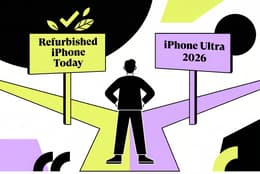
Apple's first foldable iPhone is rumoured to launch as the iPhone Ultra (not "iPhone Fold" as widely assumed) in September 2026 with a starting price of around £1,599. The device will feature a book-style design with a 7.8-inch foldable display, an A20 Pro chip, two rear cameras with a Camera Control button, and Touch ID instead of Face ID. iOS 27, unveiled at WWDC 2026 in June, contains explicit foldable hardware APIs — the strongest software-level confirmation yet that this device is real. But here's the key question: is it worth waiting for, or should you just buy a proven, refurbished iPhone today for a fraction of the price? The short answer? For most people, a refurbished iPhone 17 or iPhone 15 from Back Market is the smarter choice. You'll save up to 70%, get a device that's been professionally tested, and skip the first-generation growing pains of an unproven foldable format. Plus, you're covered by Back Market's 1-year commercial warranty. Still curious about what Apple's cooking? Let's dig into everything we know.
Updated July 2026: what's new in this article
Samsung Galaxy Z series officially launched: Samsung unveiled the Galaxy Z Fold8 Ultra, Galaxy Z Fold8, and Galaxy Z Flip8 at Galaxy Unpacked London on 22 July 2026. All three go on sale 7 August. The Samsung comparison section has been updated throughout with confirmed specs and pricing.
New competitive data point on thinness: The Galaxy Z Fold8 Ultra is 4.1mm thin when unfolded, narrowly beating the iPhone Ultra's rumoured 4.5mm. The thinness narrative has shifted.
Samsung lineup is now more complex: The standard Galaxy Z Fold8 uses a new wide/passport-style form factor (not book-style), priced from $1,899.99 / approx. £1,549. The book-style format now belongs to the Z Fold8 Ultra only ($2,099.99 / approx. £1,699).
Touch ID confirmed again: A 24 July roundup by 9to5Mac ("iPhone Ultra is coming: Six new features in Apple's top-tier model") independently corroborates Touch ID in the power button, adding post-July credibility to this rumour.
Our Verdict
The iPhone Ultra is Apple's boldest hardware experiment in years: a near-creaseless foldable with an A20 Pro chip, a confirmed liquid metal hinge, and a starting price of around £1,599. The September 2026 announcement is back on track: iOS 27 code unveiled at WWDC 2026 contains explicit foldable APIs, and prototype units have already been shipped to global carriers for network certification. That's the strongest confirmation yet. But it's still a first-generation gamble: no Face ID, no telephoto camera, SMT yield issues that could limit supply, and wide availability potentially slipping to 2027. For most buyers, the smarter move is clear: buy a refurbished iPhone 17 or iPhone 15 from Back Market today for up to 70% less, skip the first-gen compromises, and upgrade to a second- or third-gen foldable when Apple has worked out the kinks.
What People Are Saying About the iPhone Fold
Real users across YouTube, Reddit, and X are already weighing in on the iPhone Ultra and the reactions are mixed:
💬 On price: "Cool but £1,700+ is a definite no go." (YouTube comment)
⚠️ On first-gen risk: "I probably won't buy their first gen foldable. I would probably wait for the next few gens when all the bugs are worked out." (YouTube comment)
💭 On alternatives: "If all you need is a media consumption device, the base iPad at £329 is probably a better option. Sure it's not an OLED, but you'd get a larger display than a rumoured ~£1,700 folding iPhone." (Reddit user)
These concerns are exactly what we'll address in this article.
Source: https://x.com/ahmadansari2233/status/2041537463341232524?s=46
What is the iPhone Fold (or iPhone Ultra)?
The iPhone Fold, now widely referred to as the iPhone Ultra following corroboration from multiple independent sources throughout May and June 2026, is Apple's first foldable smartphone. It's a book-style device that folds vertically, similar to Samsung's Galaxy Z Fold series, with a large inner display that unfolds like a tablet.
The iPhone Ultra will be Apple's first smartphone with a foldable OLED display, marking a major departure from the rigid glass screens used since the original iPhone in 2007.
Some people are already asking: is the iPhone Ultra just an expensive, pocketable iPad? The inner 7.8-inch display with a 4:3 aspect ratio does invite the comparison. But the key difference is portability and connectivity: the iPhone Ultra makes calls, fits in a pocket, and runs iOS natively on a screen that folds. For users who already own an iPad, it's a complementary device, not a replacement. For users who don't own an iPad and rely on their phone for productivity, it could genuinely replace both.
Apple hasn't officially announced the device, but iOS 27, unveiled at WWDC 2026 in June, contains explicit foldable hardware APIs including "foldState", "mechanicalAngleDegrees", and flags for a device combining Dynamic Island and Touch ID simultaneously. That's no longer just a supply chain rumour. Most of what follows is based on leaks from analysts including Ming-Chi Kuo, Bloomberg's Mark Gurman, and supply chain reports — but the software confirmations add significant credibility. Take specific specs and timings with a grain of salt until Apple makes it official.
But if the rumours are accurate, this will be Apple's most expensive iPhone ever — and its riskiest.
Is the iPhone Ultra Real ? What's been confirmed
Yes, the foldable iPhone is real — and June 2026 delivered the strongest confirmations yet.
iOS 27, unveiled at Apple's WWDC developer conference (June 8–12, 2026), contains explicit foldable hardware references that developers found in the beta code: "foldState" hardware checks, "mechanicalAngleDegrees", and "angleDegrees" variables. Macworld also identified internal flags for a device running Dynamic Island and Touch ID simultaneously, something no current iPhone does. That's the first software-level confirmation of the foldable form factor.
On the hardware side, Fixed Focus Digital (via MacRumors, June 2) confirmed the liquid metal hinge after months of uncertainty and reported that Apple has already shipped prototype units to global carriers worldwide for network certification. That's a significant production milestone. Prototype units don't go to carriers unless a September launch is genuinely on the table.
What's confirmed (June 2026):
Liquid metal hinge
A20 Pro chip + Apple C2 modem
Touch ID side button (no Face ID)
7.8" inner OLED display / 5.5" outer display
Dual 18MP front cameras (one per display)
Camera Control button on the frame
4.5mm open thickness
Vapor chamber cooling
iOS 27 foldable APIs (software-confirmed)
Prototype units shipped to global carriers
What's still unconfirmed: final UK pricing, exact on-sale date, Face ID absence definitively confirmed by Apple, final colour options.
When will the iPhone Fold be released?
September 2026 announcement expected — on-sale date likely October 2026
The iPhone Ultra is expected to be announced in September 2026 alongside the iPhone 18 Pro and iPhone 18 Pro Max and the September launch is back on track. The earlier November-December delay narrative has been revised: the current consensus across MacRumors, Fixed Focus Digital, and multiple supply chain sources (as of June 2026) is a September announcement with an on-sale date most likely in October 2026 in a staggered launch format.
Mass production is now targeted to begin July–August 2026. Prototype units have already been shipped to global carriers for network certification (Fixed Focus Digital, June 2) — a key milestone that confirms the timeline is moving forward.
UK availability: Apple typically includes the UK in first-wave launches, and that's expected here too. However, UK buyers should plan for limited initial supply. SMT (surface-mount technology) yield issues identified by MacRumors (May 26) could constrain early stock, and wide availability may slip into 2027.
Even with the improved timeline, early supply will be tight. If you're planning to buy at launch, a pre-order waitlist is likely. Apple Store locations may prioritise certain markets over others.
Limited initial supply and potential waitlist stress. Another reason to consider proven, in-stock alternatives available today.
Milestone | Date | Status |
Prototype units shipped to carriers | June 2026 | Confirmed |
Mass production begins | July–August 2026 | Expected |
Apple Event announcement | September 2026 | High confidence |
On-sale date | October 2026 | Likely (staggered launch) |
Wide availability | 2027 | At risk (SMT yield issues) |
Could the iPhone Fold be delayed?
There's a real risk that wide availability could slip into 2027.
The SMT yield issues reported by MacRumors (May 26) are the main risk factor. Mass production is targeting July/August 2026, which leaves a narrow runway to a September announcement. A hinge QC issue was also flagged in May (MacRumors, via leaker "Instant Digital") high-frequency open/close stress testing failures though follow-up reports suggest this is unlikely to delay the overall launch. The September announcement looks probable. But "announced in September" and "widely available before Christmas" aren't the same thing.
Bottom line: If you're planning to wait for this phone, understand that the timeline isn't set in stone.
How much will the iPhone Fold cost?
The iPhone Ultra's US price consensus has narrowed to around $1,999 — a significant revision from earlier estimates of $2,399–$2,900. Based on that US figure, UK pricing is expected to start around £1,599–£1,699 for the 256GB model. Here's the updated estimate:
Storage | Leaked UK Price Range |
|---|---|
256GB | ~£1,599–£1,699 |
512GB | ~£1,799–£1,850 |
1TB | ~£1,999–£2,050 |
UK pricing estimates, June 2026
Updated UK pricing estimates based on US price consensus of ~$1,999 (multiple sources, June 2026). Apple has not confirmed any pricing. Earlier estimates of £1,720–£2,200 have been revised downward.
To put that in perspective, £1,700+ is roughly one month's rent in London. Or, as one X user put it: "Gonna cost like a used car and still crease in the middle."
It's also enough to buy four refurbished iPhone 15s from Back Market, with money left over for coffee. Or you could get a refurbished iPhone 17 and a refurbished iPad, giving you the best tool for each job while still spending less than the iPhone Ultra alone.
Apple hasn't confirmed any of these figures, so treat them as educated guesses. But one thing's clear: this will be the most expensive iPhone Apple has ever made.
While official contract pricing won't be confirmed until launch, based on the~£1,599–£1,699 outright pricing and similar flagship devices, expect:
Estimated monthly contracts:
~£70-80/month (24-month contract, minimal upfront) with major networks (O2, EE, Vodafone, Three)
~£55-65/month with higher upfront payments (£200–400)
Networks may bundle additional perks (free Apple Music, 5G unlimited data)
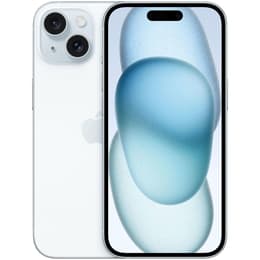
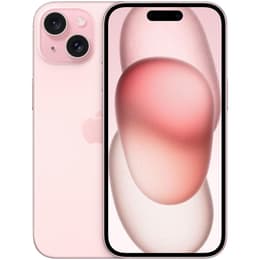
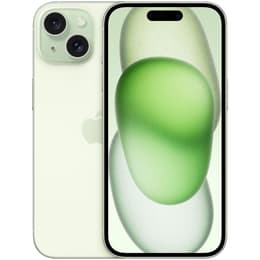
- (40,979)
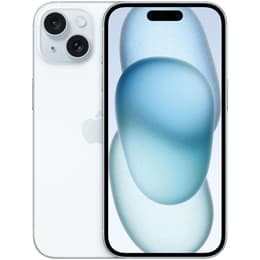
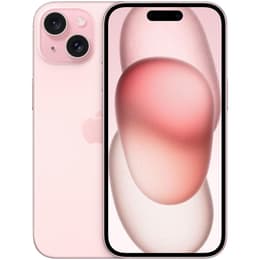
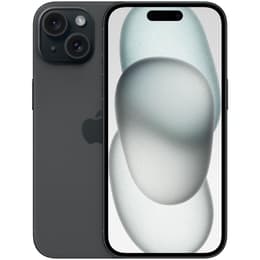
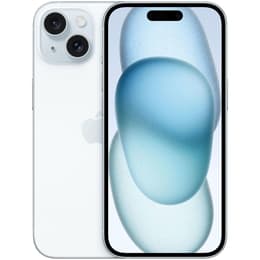
Refurbished price:£359.00
Versus £699.00 new
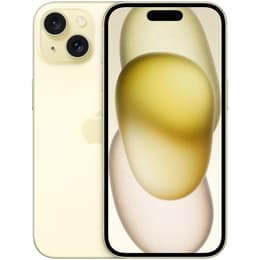
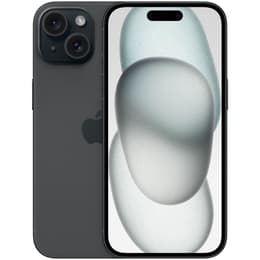
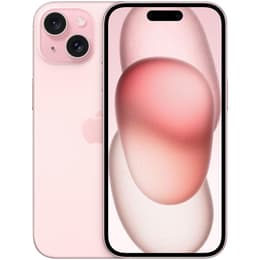
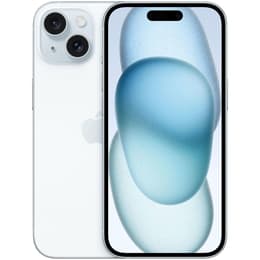
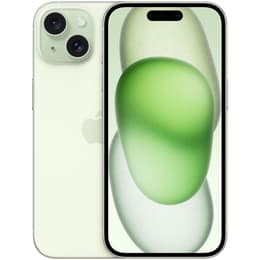
- (40,803)
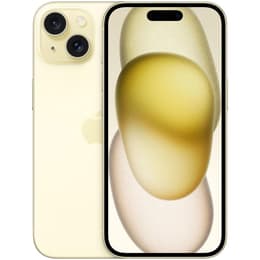
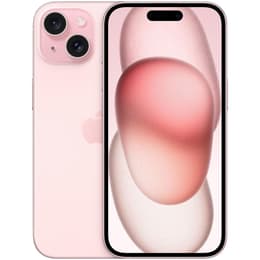
Refurbished price:£494.00
Versus £799.00 new
What will the iPhone Fold look like?
Book-style foldable format
The iPhone Ultra will fold vertically, like a book. When closed, you'll have a 5.5-inch external display for quick tasks such as checking texts, glancing at notifications, snapping photos. When you unfold it, you'll reveal a 7.8-inch inner display with a 4:3 aspect ratio, similar to an iPad mini.
It's designed for multitasking. Think side-by-side apps, split-screen workflows, and a tablet-like experience that fits in your pocket.
Ultra-thin profile and titanium chassis
When fully open, the iPhone Ultra will measure just 4.5mm thick, remarkably thin for a device with a foldable display. When folded, it'll be around 9-9.5mm. The chassis will use titanium for strength without adding weight.
The hinge uses liquid metal technology, now officially confirmed (Fixed Focus Digital, June 2, 2026). Liquid metal is stronger and more durable than traditional steel, and it's a big deal: foldable phones live or die by their hinges. The fact that Apple has shipped prototypes to global carriers with this hinge in place is a strong signal it's passed internal testing.
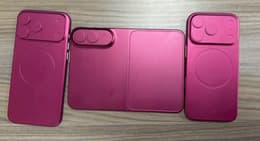
What Sonny Dickson's dummy unit photos revealed
Dummy unit photos published by leaker Sonny Dickson on June 7, 2026 gave us the clearest physical look yet at the iPhone Ultra. Key takeaways:
"Passport-wide" outer form factor when folded: noticeably wider than a typical iPhone, similar proportions to a passport
Touch ID side button confirmed: visible in the photos, on the right edge of the device
Front camera in the top-left corner of the inner display
No Action Button visible in the cutouts: case listings from iFunSmart (MacRumors, May 27) corroborate this
MagSafe magnet ring present (based on case cutouts), though it's unclear if MagSafe is built into the phone itself
Camera Control button on the right frame, confirmed by case cutouts and independent leakers (Instant Digital, May 12)
These are physical dummy units, not a working prototype, but the design details align across multiple independent sources.
What colours will the iPhone Ultra come in?
The iPhone Ultra is expected to launch in just two colour options: white/silver and an indigo reminiscent of the Deep Blue finish on the iPhone 17 Pro.
White is the most thoroughly corroborated detail in the entire rumour cycle. Three independent leakers have all confirmed it separately: Instant Digital, Ice Universe, and Sonny Dickson. That's a rare level of convergence for a pre-announcement spec. The indigo emerged as the second colour in early June (Ice Universe, June 1), replacing earlier speculation about black or space gray, which now appears to have been inaccurate.
No bold colours, no Product Red, no bright finishes. For a device being positioned as Apple's most premium iPhone ever, the restrained palette feels deliberate. Think quiet luxury rather than a statement piece.
What this means in practice: if you were hoping for a distinctive finish, you'll probably have to wait for a second-generation model. Apple tends to expand colour ranges once a product finds its audience.
Apple has not officially confirmed any colour options. Everything above is based on pre-launch leaks and has not been verified by Apple.
Has Apple solved the crease problem?
Samsung's Galaxy Z Fold series has a visible, tactile crease down the middle of the screen. It doesn't affect functionality, but you can see it and feel it.
Apple's solution is a near-invisible crease measuring less than 0.15mm deep with a crease angle under 2.5 degrees. In practical terms, that means you'll barely notice it, a major improvement over Samsung's current foldables.
It's worth noting that Oppo has also made significant strides in crease reduction with their Find N6 foldable, using laser-smoothed photopolymer technology that makes the crease practically imperceptible. As one YouTube commenter put it: "Oppo already solved the hinge crease problem. I'm sure Apple is gonna name it something fancy and everyone will hype it." Whether Apple is truly innovating or simply catching up to competitors is a fair question, but the focus on crease reduction is clearly a priority across the entire foldable market.
The display will be supplied exclusively by Samsung under a 3-year deal announced in April 2026, using advanced OLED technology designed specifically for foldable screens. This marks a significant partnership between the two rivals in the foldable display space.
iPhone Fold specs and features
A20 Pro chip and performance
The iPhone Ultra specs include Apple's A20 Pro chip, clarified in June 2026 sources as the Pro variant, not the standard A20, built on a 2nm process by TSMC, paired with Apple's new C2 modem. This will be the most powerful mobile chip Apple has ever made, paired with 12GB of RAM to handle multitasking across the large foldable display.
Translation? Apps will stay open. Multitasking will be smooth. Performance won't be a compromise. The 12GB of RAM means you can keep 20+ apps open without slowdowns. Perfect for multitaskers switching between email, documents, and Safari tabs.
Cameras: what to expect
The iPhone Ultra will have two rear cameras: a main wide-angle lens and an ultra-wide lens, controlled via a dedicated Camera Control button on the right frame (confirmed by leaker Instant Digital, May 12). There is no telephoto lens, which is a surprising omission for a phone at this price.
The front camera situation is one of the most interesting specs. Each display gets its own dedicated 18MP Center Stage camera ( confirmed by 9to5Mac, June 11, 2026). That's two separate front cameras optimised for video calls on whichever screen you're using. The inner display camera is reported to sit in the top-left corner of the screen (confirmed in Sonny Dickson's dummy unit photos, June 7).
Some users have already expressed disappointment with the hole-punch design, with one YouTube commenter noting: "Hate the punch hole, look cheap. And no Face ID is a no go for me." This suggests Apple's design choices may not resonate with everyone, especially users who prefer the seamless screen of current iPhones.
This is a trade-off. You're getting innovation (under-display tech) but losing zoom capability. For comparison, the iPhone 17 Pro Max has a dedicated 4x optical zoom telephoto (with up to 8x optical-quality zoom via in-sensor crop) that the iPhone Ultra won't match. For portrait photography and zoom shots of distant subjects, you'll miss the dedicated telephoto found on the current flagship lineup. The iPhone Ultra prioritises form factor and innovation over traditional camera versatility.
Touch ID instead of Face ID
Here's the big one: the iPhone Ultra will not have Face ID. Instead, it'll use a Touch ID sensor built into the side power button.
Why? The ultra-thin design doesn't leave room for the TrueDepth camera array needed for Face ID. Apple had to choose between thickness and biometric tech, and they chose thinness.
For some users, this will be a dealbreaker. For others, it's a welcome return to the simplicity of Touch ID. Either way, it's a significant departure from every flagship iPhone since the iPhone X.
Vapor chamber cooling and repairability
The iPhone Ultra includes a vapor chamber cooling system (confirmed by leaker Fixed Focus Digital, via MacRumors, June 1). This is a notable engineering achievement for a device just 4.5mm thick when open. Vapor chambers are typically found in gaming phones and high-performance Android flagships. Apple fitting one inside a 4.5mm foldable says something about how seriously they're taking sustained performance.
The iPhone Ultra also appears to be designed for repairability in a way that no foldable has been before. MacRumors (May 6) reported that the modular design uses no cross-display ribbon cables, with the motherboard positioned on the right side of the device. The result? Reports describe it as potentially the most repairable foldable on the market. For a device that costs £1,600+, that's genuinely good news and a notable contrast to most foldables, which are notoriously difficult and expensive to repair.
Battery, storage, and connectivity
Battery life and charging
The iPhone Ultra's 5,400-5,800 mAh battery will be the largest Apple has ever put in an iPhone, edging out the iPhone 17 Pro Max's ~5,088 mAh battery. That extra capacity will be needed to power the massive foldable display.
Expect all-day battery life under normal use, though heavy multitasking on that 7.8-inch screen will drain it faster. The efficient 2nm A20 chip should help extend battery life compared to previous generations.
Storage options
The iPhone Ultra will come in three storage tiers: 256GB, 512GB, and 1TB. No 128GB option. Apple knows this is a premium device for power users who need space for photos, videos, and apps optimised for the foldable format.
eSIM-only: a bigger shift for UK buyers
One final spec worth noting: the iPhone Ultra will be eSIM only, with no physical SIM card slot.
This is a significant difference for UK buyers. While iPhones sold in the US went eSIM-only with the iPhone 14 series, iPhones sold in the UK — including the iPhone 14, 15, and 16 — have retained a physical SIM tray. For UK users, an eSIM-only iPhone Fold would represent a significant and unfamiliar change.
The good news: all major UK networks (EE, Vodafone, O2, Three) support eSIM. But if you frequently swap SIM cards or travel internationally to countries where eSIM adoption is still limited, this is worth knowing upfront.
iOS updates for foldable: multitasking and new features
Apple is updating iOS 27 to support foldable multitasking. WWDC 2026 gave us the clearest picture yet of what that looks like. iOS 27 beta code, unveiled at the developer conference (June 8–12), contains explicit foldable APIs including "foldState" hardware checks, "mechanicalAngleDegrees" and "angleDegrees" variables. Developers also found a resizable iPhone Mirroring window, new multi-screen detection APIs, and larger widget formats. Macworld identified internal flags for a device running Dynamic Island and Touch ID simultaneously. This is the first time Apple's own software has confirmed, at the code level, that a foldable form factor is coming.
What this means for UK buyers: apps will be optimised for the foldable display from launch day. That's a meaningful difference from early Android foldables, where app support lagged the hardware by months. Apple controlling both the hardware and the iOS software means developers can build for the foldable screen before the phone even ships.
You'll be able to run two apps side-by-side, use persistent sidebars for navigation, and seamlessly transition between folded and unfolded modes without losing your place.
Here's what that looks like in practice, based on how current foldable users already multitask:
Maps and Messages side-by-side: navigate to a destination while texting a friend the ETA without switching apps.
Two Chrome windows open simultaneously: compare product prices, reviews, or specs without constant tab-switching.
Gmail with split inbox and compose view: read an email while drafting a reply.
Photos with library and editor: browse your camera roll while fine-tuning a specific shot.
For media consumption, the 7.8-inch unfolded display offers an iPad-like viewing experience that fits in your pocket. But as one Reddit user noted, "Most computing limitations I face on my phone aren't solved by making the screen bigger. Would be nice for media consumption, though." Translation: the iPhone Ultra is great for watching videos and reading, but it won't magically make your phone faster or more capable in ways that matter for everyday tasks.
Developers now have explicit APIs to optimise apps for the foldable screen format, available from the iOS 27 beta. Expect apps to adapt their layouts automatically when you unfold the device. Apps that aren't updated will still work but may scale up with black bars or stretched layouts though the WWDC-era developer push should minimise this at launch.
The seamless transition between folded and unfolded modes is one of the key advantages Apple has in controlling both hardware and software and iOS 27's WWDC confirmations show that this integration is further along than anyone expected.
How does the iPhone Fold compare to Samsung Galaxy Fold?
Samsung's foldable lineup got significantly more complex at Galaxy Unpacked London on 22 July 2026. There are now two book-style competitors to consider: the Galaxy Z Fold8 Ultra (approx. £1,699, 8-inch display, 4.1mm thin when open) and the Galaxy Z Fold8 (approx. £1,549, 7.6-inch display, new wide/passport form factor). Both go on sale 7 August 2026. Samsung has been making foldables since 2019, giving them a clear head start on hinge refinement and durability.
Worth noting for UK buyers: Samsung has strong UK market presence and Galaxy foldables tend to be widely available on UK contracts. With the Z Fold8 line now confirmed, expect these to land on EE, O2, Vodafone, and Three contracts in August.
Here's a quick comparison:
Feature | iPhone Ultra | Galaxy Z Fold8 Ultra | Galaxy Z Fold8 |
|---|---|---|---|
Display (open) | 7.8" | 8" | 7.6" |
Display (closed) | 5.5" | N/A (book-style) | 5.5" (wide format) |
Thickness (open) | ~4.5mm (rumoured) | 4.1mm (confirmed) | Not confirmed |
Chip | A20 Pro | Snapdragon 8 Elite Gen 5 | Snapdragon 8 Elite Gen 5 |
Battery | 5,400–5,800 mAh (rumoured) | 5,000 mAh (confirmed) | 4,800 mAh (confirmed) |
Approx. UK price | ~£1,599 (rumoured) | ~£1,699 (estimated) | ~£1,549 (estimated) |
On sale | September/October 2026 | 7 August 2026 | 7 August 2026 |
Hinge durability | Not yet disclosed | Not yet disclosed | Not yet disclosed |
Cooling | Vapor chamber | Standard | Standard |
Experience | First-gen | 8th generation (first Ultra) | 8th generation |
iPhone Ultra specs based on leak consensus as of July 2026; Apple has not confirmed any figures. Samsung Galaxy Z Fold8 and Z Fold8 Ultra specs confirmed by Samsung Newsroom, 22 July 2026. UK Samsung pricing is estimated from US launch prices ($1,899.99 / $2,099.99) and has not been confirmed by Samsung UK.
Design differences
Apple's crease is nearly invisible (less than 0.15mm deep), while Samsung's remains more visible and tactile. On thinness, the picture has shifted: the Galaxy Z Fold8 Ultra measures just 4.1mm when unfolded, narrowly beating the iPhone Ultra's rumoured 4.5mm. Both represent a huge leap from earlier foldables that measured 6mm or more.
Samsung's advantage is experience. Eight product cycles of hinge refinement, and the Z Fold8 Ultra now adds Flex Titanium technology specifically to reduce crease visibility. Apple hasn't published a fold-cycle rating for the liquid metal hinge yet, which is typical for a first-generation device.
Display and crease comparison
The iPhone Ultra's rumoured 7.8-inch inner display goes up against the Galaxy Z Fold8 Ultra's 8-inch screen and the Galaxy Z Fold8's 7.6-inch display. The Z Fold8 Ultra uses a 5.5-inch cover screen, matching the iPhone Ultra's rumoured outer display. Samsung's crease has improved with Flex Titanium technology on the Z Fold8 Ultra, though Samsung hasn't published a specific crease depth measurement.
Apple's advantage remains the near-invisible crease target (under 0.15mm) and tighter iOS integration, with iOS 27 built from the ground up for foldable form factors.
Price and value
Samsung's confirmed US prices translate to approximately £1,549 for the Galaxy Z Fold8 and £1,699 for the Galaxy Z Fold8 Ultra (Samsung UK pricing to be confirmed). The iPhone Ultra's rumoured ~£1,599 starting price sits right in between. All three are a serious amount of money, and the iPhone Ultra is still a first-generation device with unproven long-term durability.
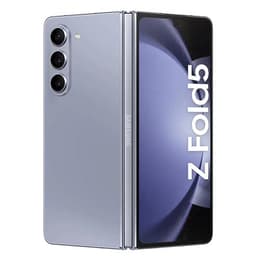
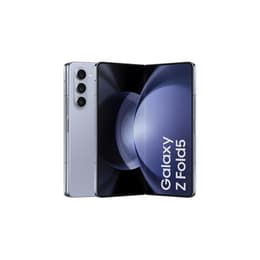
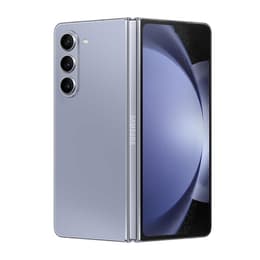
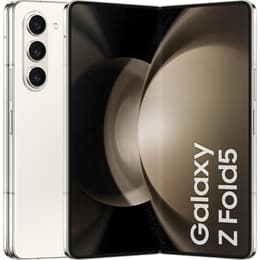
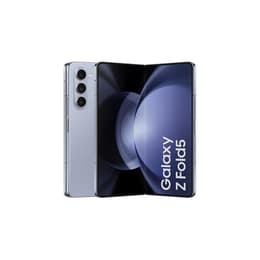
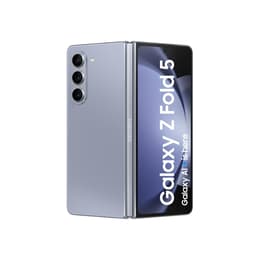
A smarter move? Buy a refurbished Galaxy Z Fold 5 or a refurbished iPhone 17 Pro Max from Back Market for less than half the price. You'll get flagship performance without the foldable compromise.
- (1,026)
Refurbished price:£410.00
Versus £1,627.21 new
- (1,024)
Refurbished price:£454.00
Versus £1,776.79 new

- (1,033)
Refurbished price:£511.00
Versus £1,770.61 new

- (1,032)
Refurbished price:£442.00
Versus £1,745.59 new
- (1,016)
Refurbished price:£456.00
Versus £1,507.17 new

- (937)
Refurbished price:£523.00
Versus £1,642.14 new

- (1,034)
Refurbished price:£437.00
Versus £1,899.00 new
- (1,027)
Refurbished price:£443.00
Versus £1,583.41 new
- (1,006)
Refurbished price:£448.00
Versus £1,625.44 new
- (1,031)
Refurbished price:£479.00
Versus £1,737.56 new

- (1,009)
Refurbished price:£504.00
Versus £1,702.40 new

- (790)
Refurbished price:£514.00
Versus £1,680.73 new

- (994)
Refurbished price:£537.00
Versus £1,779.14 new

- (902)
Refurbished price:£585.00
Versus £1,760.83 new
- (502)
Refurbished price:£600.00
Versus £1,766.18 new
- (591)
Refurbished price:£615.00
Versus £1,311.33 new

Should you wait for the iPhone Fold or buy a refurbished iPhone now?
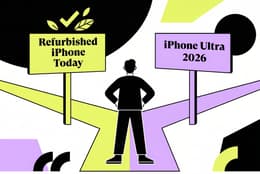
Let's be honest. The iPhone Ultra is a fascinating piece of technology, but it's not for most people.
The "wait for gen 2" strategy is already gaining traction among tech enthusiasts. On Reddit and YouTube, users are openly discussing skipping the iPhone Ultra entirely and waiting for Apple's second- or third-generation foldable, when hinge durability will be proven, the crease will be further refined, and real-world battery life will be documented. This is a smart approach if you're intrigued by foldables but risk-averse, but it also means waiting until 2027 or 2028 for a mature product.
A common sentiment in the foldable community: "I'll wait for gen 2 when the bugs are worked out." It's a smart instinct. First-generation foldables (from any manufacturer) tend to carry compromises that disappear by the second or third iteration. Samsung's Galaxy Z Fold didn't hit its stride until the Z Fold 4.
The alternative? Buy a refurbished flagship iPhone today, use it for 2-3 years while Apple works out the kinks, then upgrade to a second- or third-gen foldable when prices drop and reliability improves. You'll save thousands and skip the first-gen headaches.
Here's what you're getting if you wait for the iPhone Ultra:
A ~£1,599+ first-generation foldable with no Face ID, no telephoto camera, and eSIM-only connectivity
Uncertain long-term durability (the liquid metal hinge is confirmed, but Apple hasn't published fold-cycle ratings yet)
A September 2026 announcement with a likely October on-sale date but wide availability potentially slipping to 2027 due to SMT yield issues
Severely limited initial supply, meaning extended waitlists and potential shipping delays lasting months even if you manage to pre-order at launch
Here's what you're giving up:
Proven, reliable iPhones available today at a fraction of the cost
Face ID, telephoto zoom, and physical SIM slots (on most UK models)
The peace of mind that comes with a mature, tested product
Guaranteed availability: no pre-order stress or waitlist uncertainty
Why refurbished might be the smarter choice
Every refurbished iPhone on Back Market is professionally tested, cleaned, and backed by a 1-year commercial warranty. UK buyers also benefit from the Consumer Rights Act 2015, which provides additional statutory protection beyond Back Market's commercial warranty, allowing you to bring claims for up to 6 years in England, Wales, and Northern Ireland (5 years in Scotland). You also get a 30-day return policy if you're not satisfied.
Here's what happens before a refurbished iPhone reaches you: up to 100 quality checks covering battery health (minimum 80% capacity), screen condition (no dead pixels or burn-in), camera functionality (autofocus, stabilisation, all lenses tested), and more. Devices are cleaned, restored with genuine or certified parts, and graded by condition (Premium, Excellent, or Good) so you know exactly what you're getting.
You're not sacrificing quality. You're choosing sustainability, value, and reliability over hype.
There's one more angle worth mentioning: the iPhone Ultra's modular design reportedly makes it the most repairable foldable on the market. That's genuinely good news for longevity but it also means if something does go wrong in year two, repairs should be less eyewatering than on rival foldables. That's the kind of detail worth knowing. A refurbished iPhone today, however, comes with that peace of mind already built in.
Is the iPhone Ultra just an expensive iPad replacement?
One of the most common comparisons across Reddit and YouTube isn't iPhone Ultra vs. Samsung Galaxy Fold. It's iPhone Ultra vs. iPad. Users are asking whether a £1,700+ foldable makes sense when Apple already sells:
iPad (11th gen) for £329, great for media consumption
iPad mini for £499, 8.3-inch display, ultra-portable
iPad Air for £599, 11-inch display with M4 chip
All of these devices offer larger screens than the iPhone Ultra's 7.8-inch unfolded display, plus the full iPadOS multitasking experience, Apple Pencil support, and no durability concerns about a foldable hinge.
The iPhone Ultra's advantage is portability: it fits in your pocket when folded. But if most of your "big screen" usage happens at home, on a desk, or during commutes where you'd pull out an iPad anyway, the £1,700+ premium for a foldable might not make sense.
A smarter option? Buy a refurbished iPhone 17 for everyday use and a refurbished iPad for media consumption and multitasking. Combined, they'll still cost less than the iPhone Ultra alone and you'll get the best tool for each job.
Which refurbished iPhones are the best alternatives?
Instead of spending £1,700+ on an unproven foldable, consider these refurbished options:
iPhone 17: Apple's current flagship with the A19 chip, improved camera system, and Apple Intelligence features. Available refurbished for up to 70% less than new.
iPhone 15: Still incredibly capable, with the A16 Bionic chip, Dynamic Island, and USB-C. A proven workhorse at a great price, and the first iPhone to support USB-C charging and data transfer.
iPhone 17 Pro Max: If you want the absolute best camera system (including that 4x optical zoom with up to 8x optical-quality zoom that the iPhone Ultra won't have) and the longest battery life, this is it. Refurbished models offer flagship performance without the flagship price.
All of these devices are available today, work flawlessly, and won't require you to gamble on first-generation foldable tech.
- (40,979)
Refurbished price:£359.00
Versus £699.00 new
- (40,803)
Refurbished price:£494.00
Versus £799.00 new