
Compare models

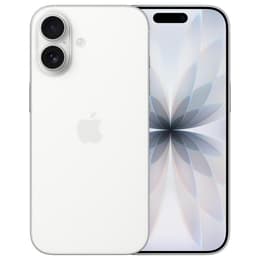
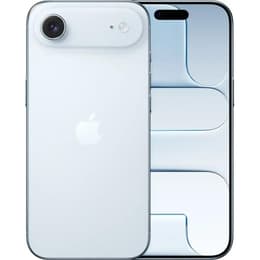
iPhone 17 Vs iPhone Air

  • 1-year minimum warranty
  • Free delivery on all items
  • Free 30-day returns
iPhone 17
Starting at

Refurbished price:£731.00

Versus £899.00 new

See options
iPhone Air
Starting at

Refurbished price:£640.00

Versus £1,099.00 new

See options

Differences at a glance

The iPhone 17 (2025) and iPhone Air (2025) represent two distinct design philosophies within Apple's nineteenth-generation smartphone lineup. While the standard iPhone 17 focuses on balanced, all-around capability in a traditional chassis, the iPhone Air introduces an ultra-thin profile centered on lightweight portability. Both devices run on Apple's modern iOS ecosystem, yet they target different physical and functional preferences.

Available Models

Colour

Storage (GB)

Scores

Durability

Both smartphones launched simultaneously in late 2025, ensuring identical software update timelines and long-term support horizons. Hardware longevity varies slightly due to internal physical constraints and design architecture.

  • Software Longevity: Both models receive extended operating system updates and security patches for approximately five to six years from release, ensuring equal future readiness.
  • Repairability and Build: The standard iPhone 17 features a conventional internal layout that aligns with standard repair benchmarks, whereas the ultra-thin chassis of the iPhone Air requires specialized internal component placement.
  • Expected Lifespan: Both units handle daily multi-year use efficiently, though users seeking a quality-assured refurbished option can find sustainable choices that extend device lifecycles further.

Year of Release

2025

2025

Performance

Underneath their outer shells, both devices utilize current-generation processing architecture to handle daily computing tasks, yet they differ in sustained thermal thresholds and memory capacity.

  • Multitasking and Responsiveness: Both smartphones handle demanding mobile applications, rapid switching between open programs, and complex graphics smoothly without noticeable stutter.
  • Battery Behavior: The standard iPhone 17 accommodates a larger internal battery for extended daily endurance, while the slim profile of the iPhone Air houses a smaller power cell that may require more frequent recharging during intensive use.
  • Storage Configurations: Both devices offer ample baseline storage tiers starting at generous capacities, accommodating large photo libraries and extensive offline media without strain.

Screen quality

Visual output is a primary point of comparison, as these two devices balance screen dimensions against physical handling comfort.

  • Display Technology: Both models utilize advanced OLED display panels that deliver deep black levels, high contrast, and vivid color reproduction for daily viewing.
  • Brightness and Clarity: Each device features high peak outdoor brightness levels and sharp resolutions, ensuring content remains legible under direct sunlight.
  • Refresh Rate and Size: The iPhone 17 features a compact 6.3-inch display, while the iPhone Air offers a slightly larger 6.5-inch viewing area, with both supporting smooth adaptive refresh rates for fluid scrolling.

Audiovisual

Imaging hardware reflects the physical design divergence between a traditional thickness profile and an ultra-slim enclosure.

  • Camera Systems: The standard iPhone 17 equips a dual rear camera array offering versatile focal lengths, while the iPhone Air streamlines the rear setup to a single primary lens integrated into a raised plate design.
  • Everyday Photography: Both models capture sharp, color-accurate images in daylight conditions, but the dual-lens configuration on the iPhone 17 provides greater versatility for varied framing needs.
  • Audio and Video: Stereo speakers and microphone arrays on both devices deliver clear sound reproduction for media playback, video calls, and voice recordings.

Miscellaneous

Physical dimensions and connectivity standards define how each smartphone feels and integrates into daily routines.

  • Design and Portability: The iPhone 17 features a standard slate form factor with comfortable grip widths, whereas the iPhone Air prioritizes a remarkably thin and light footprint that reduces pocket bulk.
  • Connectivity and Ports: Both models support rapid 5G wireless networks, modern Wi-Fi standards, and universal USB-C charging connectivity.
  • Durability Standards: Both devices carry robust dust and water resistance ratings, reinforced by durable front glass protection to guard against everyday wear.

Screen size (in)

6.3

6.5

Mobile network

5G

5G

SIM card

eSIM

eSIM

Carrier compatibility

Unlocked

Unlocked

Connector

USB-C

USB-C

What the community thinks

Real-world feedback indicates that users appreciate the iPhone 17 for its dependable battery endurance and versatile multi-lens camera setup, though some note its traditional weight and thickness. Conversely, users frequently praise the iPhone Air for its exceptionally slim and lightweight feel in the hand, while observing that its ultra-thin battery capacity demands more mindful daily power management.

Users prioritizing maximum daily battery endurance and flexible camera options will find the iPhone 17 well-suited to their needs, while users prioritizing physical lightness and pocket portability may lean toward the iPhone Air. When exploring these models, buyers looking for sustainable alternatives can also consider certified refurbished options as reliable ways to acquire either device with minimized environmental impact. Ultimately, the choice depends entirely on whether daily priorities lean toward robust hardware utility or minimalist physical design.