
iPhone 15 Vs iPhone 17

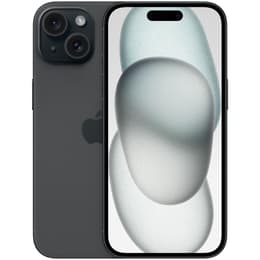
iPhone 15
iPhone 15
Starting at

Refurbished price:£325.00

Versus £699.00 new

See options
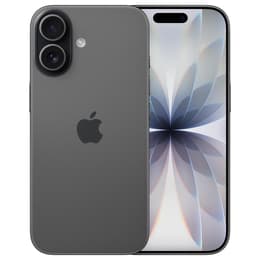
iPhone 17
iPhone 17
Starting at

Refurbished price:£689.00

Versus £799.00 new

See options

Ratings

The iPhone 15, released in 2023, and the iPhone 17, launched in 2025, represent two distinct stages in the evolution of the modern smartphone. While both devices share the familiar design language and user-friendly interface that many have come to expect, the two-year gap between them introduces significant changes in display technology and internal capabilities. The iPhone 15 brought the Dynamic Island and USB-C to the standard line, while the iPhone 17 focuses on refining the visual experience and enhancing long-term performance.

Both smartphones run on the iOS operating system, ensuring a consistent experience with apps and services. However, the iPhone 17 arrives with a newer version of the software out of the box, offering features designed for its more advanced hardware. This comparison explores the practical differences between these two models to help you decide which one aligns best with your daily habits and long-term needs.

Scores

Durability

When considering how long a device will remain functional and secure, the release date plays a pivotal role in determining the remaining years of software support. The iPhone 17, being two years newer than the iPhone 15, naturally offers a longer window of utility for users who plan to keep their device for several years.

  • Software support timeline: The iPhone 17 is expected to receive official operating system updates and critical security patches until at least 2032. In contrast, the iPhone 15 will likely see its final major software update around 2030, making the newer model a more suitable choice for those prioritising longevity.
  • Repairability and maintenance: Both models benefit from an internal design that allows for easier access to the screen and back glass. This modular approach simplifies common repairs, such as battery replacements, which helps extend the practical lifespan of the hardware regardless of which model you choose.
  • Hardware durability: Both devices feature an aluminium frame and toughened glass surfaces. While the iPhone 15 is highly resilient against daily wear, the iPhone 17 incorporates updated glass technology designed to offer even greater resistance to scratches and accidental drops during regular use.

Year of Release

2023

2025

Compatible with latest Update

Yes

Yes

OS

iOS

iOS

Foldable

No

No

Performance

While both smartphones handle everyday tasks like web browsing and social media with ease, the internal hardware of the iPhone 17 is built to manage more demanding workloads and future software requirements more efficiently than the iPhone 15.

  • System responsiveness: The iPhone 17 features increased memory capacity, which allows it to keep more applications open in the background without needing to reload them. This results in a smoother multitasking experience for users who frequently switch between complex apps.
  • Processing efficiency: For tasks such as high-definition video editing or playing graphically intensive games, the iPhone 17 provides a more consistent performance. It manages heat more effectively, ensuring that the device remains responsive even during prolonged periods of heavy use.
  • Battery behaviour: Both devices are designed to last through a full day of typical activity. However, the more efficient internal components in the iPhone 17 mean that it can often handle intensive tasks with less impact on the total battery life compared to the older model.

Memory (GB)

6 GB

8 GB

Screen quality

The display is perhaps the most noticeable area of improvement when comparing these two generations, as the iPhone 17 introduces a smoother visual experience that was previously reserved for more advanced models.

  • Refresh rate and smoothness: The iPhone 17 features a high refresh rate display, which makes scrolling through lists and navigating the interface feel significantly more fluid. The iPhone 15 uses a standard refresh rate, which is perfectly functional but lacks the same level of visual smoothness.
  • Outdoor visibility: While both screens use vibrant OLED technology for deep blacks and rich colours, the iPhone 17 is capable of reaching higher brightness levels. This makes it easier to view content clearly when using the phone outside on a bright, sunny day.
  • Display clarity: Both models offer high-resolution screens that make text look sharp and images appear detailed. Whether you are reading an e-book or watching a film, the visual quality remains high, though the iPhone 17 provides a slightly more refined viewing experience due to its updated panel technology.

Resolution

1179 x 2556

2622x1206

Screen type

Super Retina XDR OLED

Super Retina XDR

Audiovisual

For those who use their smartphone as their primary camera, the iPhone 17 offers several refinements in image processing and sensor quality that improve the results of everyday photography and video recording.

  • Selfie and video call quality: The iPhone 17 features a significantly upgraded front-facing camera with higher resolution. This results in clearer video calls and more detailed self-portraits, especially when cropping in or printing photos.
  • Low-light performance: While both devices take excellent photos in daylight, the iPhone 17 has an improved main sensor that captures more light. This leads to cleaner images with less grain when taking photos in dimly lit environments like restaurants or evening gatherings.
  • Video recording: Both smartphones are capable of recording stable, high-quality video. However, the iPhone 17 offers more advanced software processing that helps balance highlights and shadows more naturally, providing a more professional look to home videos.

Main camera

48 megapixels

48 megapixels

Front camera

12 megapixels

18 megapixels

Miscellaneous

Beyond the core specifications, several practical features and physical attributes influence how these devices feel and function in your hand during daily use.

  • Connectivity standards: The iPhone 17 supports newer Wi-Fi and Bluetooth standards, which can lead to more stable connections and faster wireless data speeds in environments with many connected devices, such as offices or public transport hubs.
  • Wired data transfer: Both models utilise the universal USB-C port, making it easy to find compatible charging cables. However, the iPhone 17 supports faster data transfer speeds over a cable, which is useful for users who frequently move large files to a computer.
  • Handling and weight: Both devices maintain a similar weight and slim profile, making them easy to use with one hand. The build materials are lightweight yet sturdy, ensuring that neither device feels cumbersome in a pocket or bag.

Weight

171 g

177 g

Screen size (in)

6.1

6.3

Mobile network

5G

5G

SIM card

Physical SIM + eSIM

Physical SIM + eSIM

Carrier compatibility

Unlocked

Unlocked

Connector

USB-C (USB 2)

USB-C

Choosing between the iPhone 15 and the iPhone 17 involves balancing current needs with future expectations. Based on user discussions and community feedback, the iPhone 15 is widely praised for its reliability and the convenience of its USB-C port, making it a solid choice for those who want a dependable smartphone for standard daily tasks. On the other hand, the iPhone 17 is frequently highlighted for its smoother screen and improved front camera, which many users feel significantly enhances the modern smartphone experience.

Users who prioritise a fluid display and want a device that will remain compatible with the latest software for as long as possible will likely find the iPhone 17 to be the better fit. Conversely, those who are satisfied with a standard screen and want a proven, capable device for messaging, photography, and browsing may find the iPhone 15 more than sufficient for their requirements. Both models are available as quality-assured refurbished options, providing a sustainable choice for those looking to reduce their environmental impact while still receiving a high-performance device. Ultimately, the decision rests on whether the smoother visuals and extended support of the newer model align with your personal usage patterns.

See all articles

Our recent comparisons