
Compare models
Galaxy A17 Vs Galaxy Z Fold7
- 1-year minimum warranty
- Free delivery on all items
- Free 30-day returns
Differences at a glance
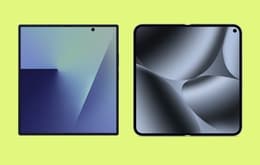
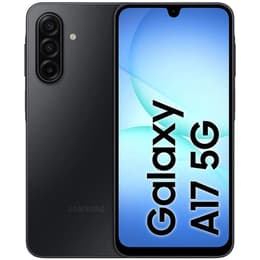
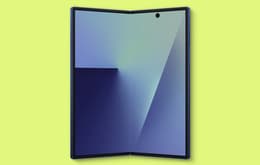
The Samsung Galaxy A17 (2025) and the Samsung Galaxy Z Fold7 (2025) represent two fundamentally distinct philosophies within modern smartphone engineering. While the Galaxy A17 is a traditional slate smartphone built for everyday utility, the Galaxy Z Fold7 is a book-style foldable device featuring an innovative dual-screen layout. These models differ widely in form factor, internal capability, and system architecture while both operating on contemporary iterations of Android.
Available Models
Colour
Storage
Scores
Durability
When examining hardware longevity and software support, both devices offer robust update lifecycles, though their physical designs introduce different considerations for long-term daily use.
- Software Support Timeline: Both smartphones benefit from extended manufacturer support windows, ensuring multiple years of operating system updates and security patches for sustained software relevance.
- Physical Durability: The Galaxy A17 features a traditional monolithic slate chassis with standard dust and splash resistance, whereas the Galaxy Z Fold7 utilizes a complex folding hinge mechanism that requires more careful handling over time.
- Expected Practical Lifespan: Traditional slate builds generally present fewer mechanical wear points for long-term use, while foldable designs cater to users willing to adapt handling habits in exchange for expanded screen workspace.
Year of Release
2025
2025
OS
Android
Android
Foldable
No
Yes
Performance
Performance capabilities vary significantly between these devices, reflecting their distinct positioning as either an essential daily communicator or a high-powered multitasking tool.
- Multitasking and Processing: The Galaxy A17 handles routine tasks like messaging, web browsing, and media streaming smoothly, while the Galaxy Z Fold7 is equipped to run demanding applications, intense games, and split-screen workflows simultaneously without stutter.
- Memory and Storage Configurations: The Galaxy A17 provides standard storage capacities suited for moderate media libraries, whereas the Galaxy Z Fold7 offers high-tier memory allocations and vast storage tiers designed for heavy professional workloads.
- Battery Behavior: The Galaxy A17 easily manages a full day of typical usage thanks to a conventional display draw, while the power demands of the larger folding screen on the Galaxy Z Fold7 result in more frequent charging routines under heavy operational loads.
Screen quality
Display technology represents one of the most prominent points of divergence between these two Samsung releases, directly shaping daily visual engagement.
- Display Form Factor: The Galaxy A17 relies on a single, flat screen suited for standard one-handed operation, whereas the Galaxy Z Fold7 deploys an outer cover screen alongside a massive unfolding internal display that resembles a small tablet.
- Panel Technology and Clarity: Both devices utilize vibrant panel technology ensuring deep contrast and sharp text clarity, but the folding display incorporates specialized layers to accommodate repeated bending.
- Outdoor Usability and Refresh Rates: High brightness levels allow both models to remain legible under direct sunlight, and smooth refresh rates ensure fluid scrolling across all active interfaces.
Resolution
1080x2340
1968x2184
Audiovisual
Imaging hardware and media output cater to different levels of photography interest and content consumption preferences.
- Camera System Versatility: The Galaxy A17 provides dependable everyday snapshot capabilities with standard main and supplementary lenses, while the Galaxy Z Fold7 incorporates a high-resolution multi-lens array capable of advanced optical zoom and detailed low-light capture.
- Video and Audio Output: Both models deliver clear microphone performance for calls, but the Galaxy Z Fold7 supports ultra-high-definition video recording formats and richer stereo speaker output suited for media immersion.
- Framing and Capture Flexibility: The unique folding angles of the Galaxy Z Fold7 allow for alternative hands-free photo framing options that are impossible on standard slate devices like the Galaxy A17.
Miscellaneous
Physical dimensions, weight distribution, and connectivity features dictate how comfortably each device integrates into travel and daily routines.
- Handling and Portability: The Galaxy A17 features a lightweight, uniform profile that slips easily into pockets, whereas the Galaxy Z Fold7 is heavier and thicker when folded due to its multi-panel hardware.
- Connectivity and Ports: Both devices support modern 5G networks, fast Wi-Fi standards, and Bluetooth pairing, relying on standard universal serial bus ports for charging and data transfer.
- Authentication Sensors: Secure access is handled via responsive fingerprint sensors integrated into the side power keys on both models, alongside software-based facial recognition options.
Weight
192 g
215 g
Screen size (in)
6.7
8.0
Mobile network
5G
5G
SIM card
Dual Physical SIM
Dual Physical SIM + eSIM
Carrier compatibility
Unlocked
Unlocked
What the community thinks
Community discussions indicate that users appreciate the Galaxy A17 for its straightforward reliability, dependable battery longevity, and practical approach to everyday communication needs. At the same time, discussions surrounding the Galaxy Z Fold7 frequently highlight praise for its expansive workspace and innovative multitasking flexibility, alongside common observations regarding its substantial weight and complex folding maintenance. Users prioritizing simplicity, lightweight handling, and dependable daily basics may prefer the Galaxy A17, while users requiring maximum screen estate and heavy-duty processing capabilities will lean toward the Galaxy Z Fold7. Choosing a quality-assured refurbished option through platforms like Back Market provides an eco-friendly, sustainable way to access these advanced technologies while reducing electronic waste. Ultimately, evaluating personal workflow habits remains the most effective method for determining which form factor best suits individual daily routines.