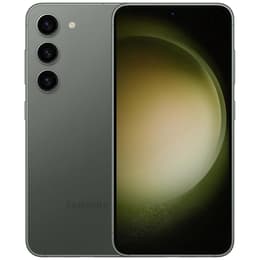

Compare models
Galaxy A17 Vs Galaxy S23
- 1-year minimum warranty
- Free delivery on all items
- Free 30-day returns
Differences at a glance
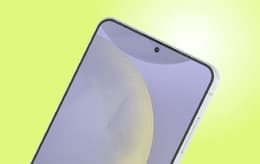
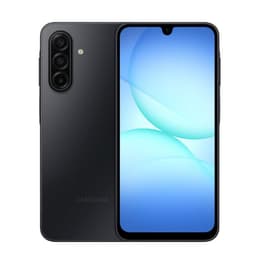
The Samsung Galaxy A17 (2025) and Samsung Galaxy S23 (2023) represent two distinct approaches to everyday mobile technology within Samsung's smartphone lineup. While the Galaxy A17 prioritizes modern software longevity and long-lasting battery capacity, the Galaxy S23 focuses on compact flagships features, refined materials, and advanced computational imaging. Both devices run on the Android operating system paired with Samsung's interface, yet they cater to different user expectations regarding daily performance and hardware sophistication.
Available Models
Colour
Storage (GB)
Scores
Durability
When evaluating structural longevity and software support, both devices offer extensive update commitments paired with different physical builds and repair considerations.
- Software Support Timeline: The Galaxy A17 benefits from an extended update policy stretching across multiple years, while the Galaxy S23 provides a similarly robust multi-year software schedule matching its flagship status.
- Build and Repairability: The Galaxy S23 features glass and armor aluminum construction with an IP68 dust and water resistance rating, whereas the Galaxy A17 utilizes practical composite materials suited for everyday handling.
- Expected Lifespan: Both smartphones maintain steady operational capability over time, though users seeking sustainable electronics often explore quality-assured refurbished options to extend device cycles.
Year of Release
2025
2023
OS
Android
Android
Foldable
No
No
Performance
Daily operation and hardware capability differ notably between the two models, influencing how smoothly apps load, games run, and background tasks execute.
- System Responsiveness: The Galaxy S23 handles demanding games and heavy multitasking effortlessly, whereas the Galaxy A17 manages standard daily applications, messaging, and web browsing smoothly.
- Storage and Memory: The Galaxy S23 offers faster internal storage tiers and generous memory configurations, while the Galaxy A17 provides balanced storage options for everyday media and app storage.
- Battery Behavior: The Galaxy A17 incorporates a larger battery capacity designed for extended daily use, while the Galaxy S23 relies on a more compact power cell that benefits from efficient power management.
Screen quality
Visual output and display construction vary between the models, affecting outdoor visibility, scrolling smoothness, and media consumption clarity.
- Display Technology: The Galaxy S23 utilizes a dynamic AMOLED panel with deep contrast and vibrant color reproduction, while the Galaxy A17 features a clear high-resolution screen suited for daily viewing.
- Refresh Rate: The Galaxy S23 supports a high refresh rate for fluid scrolling and animations, matching the smooth visual feedback found on the Galaxy A17 during standard navigation.
- Size and Ergonomics: The Galaxy A17 offers a larger viewing area ideal for reading and watching videos, whereas the Galaxy S23 presents a more compact footprint that fits easily into pockets and smaller hands.
Resolution
1080x2340
1080 x 2340
Screen type
Super AMOLED
Dynamic AMOLED 2X
Audiovisual
Media capture and audio output capabilities reflect the distinct hardware tiers of each smartphone, tailoring to different photography and entertainment preferences.
- Camera Systems: The Galaxy S23 includes a versatile triple-lens array featuring a dedicated telephoto zoom lens, while the Galaxy A17 equips a dependable main sensor setup for everyday snapshots.
- Low-Light Performance: The Galaxy S23 processes challenging lighting environments effectively through advanced software support, whereas the Galaxy A17 captures clear daylight photos for casual sharing.
- Audio and Video: Both devices deliver clear stereo sound for media playback and reliable microphone clarity during calls, with the Galaxy S23 supporting high-resolution video recording features.
Main camera
50 megapixels
50 megapixels
Miscellaneous
Practical physical traits, connectivity standards, and daily usability features round out the overall hardware experience of each handset.
- Connectivity Standards: Both smartphones support modern mobile networks, Wi-Fi standards, and Bluetooth accessories for seamless wireless pairing.
- Physical Dimensions: The Galaxy S23 maintains a slim and lightweight profile, whereas the Galaxy A17 has a broader physical frame to accommodate its larger screen size.
- Security Sensors: Both models incorporate responsive biometric security features, utilizing fingerprint recognition and facial identification for quick device unlocking.
Weight
192 g
168 g
Screen size (in)
6.7
6.1
Mobile network
5G
5G
SIM card
Physical SIM
Dual Physical SIM + eSIM
Carrier compatibility
Unlocked
Unlocked
What the community thinks
User feedback from online communities highlights distinct praise points for each device. Owners of the Galaxy S23 frequently commend its compact physical dimensions, premium feel, and reliable camera versatility in diverse settings. Conversely, users of the Galaxy A17 often appreciate its dependable battery stamina, large viewing workspace, and extended software update commitment relative to its class. Common criticisms for the S23 usually center on battery capacity limitations under heavy usage, while the A17 receives remarks regarding its standard processing speeds during intensive tasks.
Users prioritizing a compact form factor, high-end imaging capabilities, and rapid processing speeds will find the Galaxy S23 well-suited to their daily routines. Meanwhile, users prioritizing a larger display, extended battery endurance, and long-term software relevance may lean toward the Galaxy A17. Choosing an eco-friendly alternative like a quality-assured refurbished option provides a sustainable way to acquire either device while supporting responsible consumer habits.