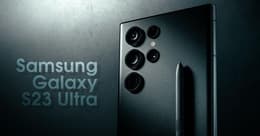
Galaxy S23 Vs iPhone 12

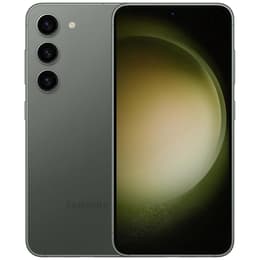
Galaxy S23
Galaxy S23
Starting at

Refurbished price:£186.84

Versus £1,019.00 new

See options
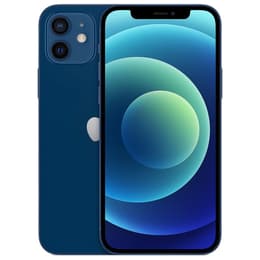
iPhone 12
iPhone 12
Starting at

Refurbished price:£139.00

Versus £649.00 new

See options

Ratings

The Samsung Galaxy S23, released in early 2023, and the Apple iPhone 12, launched in late 2020, represent two different eras of smartphone technology. While both are flagship-tier devices, they cater to different user preferences regarding operating systems and hardware longevity. The Galaxy S23 offers a more modern feature set with a focus on display fluidity and camera versatility, whereas the iPhone 12 provides a stable, long-supported entry point into the iOS ecosystem.

Choosing between these two smartphones involves weighing the benefits of a newer Android experience against a seasoned but reliable Apple device. The three-year gap between their release dates means they offer different levels of technological advancement, particularly in areas like battery efficiency and screen technology.

Scores

Durability

The three-year age gap between these devices significantly influences their expected lifespan and software support timelines, though both remain viable for several years of use.

  • Software Longevity: The Galaxy S23 launched with a commitment to four years of major operating system updates and five years of security patches, meaning it will remain current until approximately 2028. The iPhone 12, despite being older, benefits from Apple's historically long support cycles, though it is naturally closer to the end of its update life than the newer Samsung model.
  • Physical Resilience: Both phones feature high-quality glass and metal constructions with water and dust resistance ratings. The Galaxy S23 uses a newer generation of toughened glass designed to better withstand scratches, while the iPhone 12 introduced a ceramic-infused front cover that improved drop protection compared to previous generations.
  • Maintenance and Sustainability: Both manufacturers have made strides in offering repair programs, making both viable for long-term maintenance. Choosing a quality-assured refurbished option for either model can further extend the functional life of these devices while serving as an eco-friendly alternative to buying new.

Year of Release

2023

2020

Compatible with latest Update

Yes

Yes

OS

Android

iOS

Foldable

No

No

Performance

While both smartphones handle daily tasks with ease, the generational gap results in noticeable differences during intensive use and multitasking.

  • System Responsiveness: The Galaxy S23 provides a very fluid experience when switching between demanding applications or playing high-end games, thanks to its more recent internal hardware. The iPhone 12 remains surprisingly quick for standard tasks like browsing and social media, though users might notice slightly longer loading times in heavy apps compared to the newer Samsung model.
  • Battery Endurance: In real-world usage, the Galaxy S23 generally lasts longer on a single charge, often carrying users through a full day of moderate to heavy use. The iPhone 12 has a smaller battery capacity, which may require a mid-day top-up for those who use their phones extensively for navigation or video streaming.
  • Multitasking Efficiency: With more memory dedicated to background processes, the Galaxy S23 can keep more apps open simultaneously without refreshing them. The iPhone 12 manages its resources efficiently through software optimization, but it may close background apps more frequently when the system is under heavy load.

Memory (GB)

8 GB

4 GB

Screen quality

The display is one of the most immediate points of contrast between these two smartphones, affecting everything from reading text to watching videos.

  • Motion Smoothness: The Galaxy S23 features a high refresh rate display that adjusts up to 120Hz, making scrolling through lists and animations appear exceptionally smooth. The iPhone 12 uses a standard 60Hz refresh rate, which is functional and clear but lacks the fluid visual snap found on the newer Samsung device.
  • Outdoor Visibility: When using the devices in direct sunlight, the Galaxy S23 can reach higher peak brightness levels, making the screen easier to read without squinting. The iPhone 12 offers a bright and clear OLED panel that performs well in most lighting conditions, though it may struggle slightly more in very harsh, bright environments.
  • Visual Clarity: Both devices utilize OLED technology, providing deep blacks and high contrast ratios. This makes movies and photos look vibrant on both screens, with the iPhone 12 offering a very balanced color profile and the Galaxy S23 providing a slightly more saturated and punchy visual experience.

Resolution

1080 x 2340

1170 x 2532

Screen type

Dynamic AMOLED 2X

Super Retina XDR OLED

Audiovisual

Photography and media consumption are central to the smartphone experience, and here the hardware differences are quite distinct between the two models.

  • Camera Versatility: The Galaxy S23 includes a dedicated telephoto lens, allowing for clear zoomed-in photos of distant subjects. The iPhone 12 lacks a zoom lens, relying instead on a dual-camera system with a main and an ultra-wide lens, which is excellent for landscapes but less effective for capturing detail from a distance.
  • Video and Audio Capture: The iPhone 12 is frequently praised for its consistent video quality and natural skin tones, making it a favorite for casual videographers. The Galaxy S23 counters with highly stable video recording and advanced microphones that do an excellent job of isolating voices from background noise during calls or recordings.
  • Sound Output: Both phones feature stereo speakers that provide a clear and loud audio experience for watching videos or taking hands-free calls. The Galaxy S23 offers a slightly wider soundstage, while the iPhone 12 provides a very balanced audio profile that remains clear even at higher volumes.

Main camera

50 megapixels

12 megapixels

Front camera

12 megapixels

12 megapixels

Miscellaneous

Practical daily interactions, such as how you unlock your phone or connect to accessories, differ between these two ecosystems.

  • Connectivity and Ports: The Galaxy S23 uses the universal USB-C standard for charging and data transfer, which is compatible with most modern laptops and accessories. The iPhone 12 uses the proprietary Lightning port, which may require specific cables if you are moving from a non-Apple environment. Both support 5G for fast mobile data speeds.
  • Security and Biometrics: Samsung utilizes an ultrasonic fingerprint sensor hidden beneath the display, allowing for quick unlocking even if your fingers are slightly damp. The iPhone 12 relies on facial recognition technology, which is highly secure and works well in various lighting conditions, though it requires you to look directly at the device.
  • Handling and Build: Both phones have a similar 6.1-inch screen size, making them comfortable for one-handed use. The Galaxy S23 has slightly slimmer borders around the screen, giving it a more modern aesthetic, while the iPhone 12 features a flat-edge design that many users find provides a more secure grip.

Weight

350 g

164 g

Screen size (in)

6.1

6.1

Mobile network

5G

5G

SIM card

Physical SIM + eSIM

Physical SIM + eSIM

Carrier compatibility

Unlocked

Unlocked

Connector

USB-C

Lightning

User consensus on public forums suggests that the Galaxy S23 is highly regarded for its significant improvements in battery life and its exceptionally smooth 120Hz display. Many users appreciate the added flexibility of the telephoto lens for travel photography. On the other hand, the iPhone 12 is often cited as a workhorse device that has aged gracefully, with users praising its consistent software performance and the simplicity of the iOS ecosystem even years after its release. Some criticisms of the iPhone 12 focus on its shorter battery life compared to newer models, while some S23 users mention that the fingerprint sensor can occasionally take a moment to get used to.

For users who prioritize the latest display technology, superior battery endurance, and a versatile camera system with zoom capabilities, the Galaxy S23 is a compelling choice. Conversely, those who prefer a straightforward user interface, long-term software reliability, and a device that integrates seamlessly with other Apple products may find the iPhone 12 better suited to their needs. Choosing a quality-assured refurbished option for either model is a sustainable choice that supports a more circular tech lifecycle. Ultimately, both devices offer a high-quality smartphone experience, with the S23 leaning toward modern hardware features and the iPhone 12 focusing on ecosystem stability and longevity.

See all articles

Our recent comparisons