
iPhones
Compare models
Differences at a glance
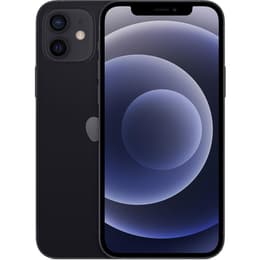
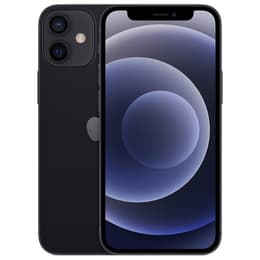
The iPhone 12 and iPhone 12 Mini, both released in late 2020, represent a pivotal moment in smartphone design, reintroducing flat edges and bringing high-speed connectivity to the mainstream. While they share nearly all internal components and features, the primary difference lies in their physical footprint and battery capacity. Both devices run the same iOS software, ensuring that users receive identical features and security updates regardless of which size they choose. This comparison explores how these two siblings differ in daily use and which might better suit your specific lifestyle.
Colour
Storage (GB)
Both the iPhone 12 and the iPhone 12 Mini were launched simultaneously, meaning they occupy the same position in the software lifecycle and share identical durability features.
Year of Release
Compatible with latest Update
OS
Foldable
In terms of raw power and responsiveness, these two smartphones are virtually indistinguishable, though their physical size impacts how long they can operate away from a charger.
For those considering a quality-assured refurbished option, checking the battery health is a practical step to ensure the device meets your daily endurance needs.
Both devices utilise advanced OLED technology, providing a high-contrast viewing experience with deep blacks and vibrant colours that remain clear even in bright environments.
Resolution
Screen type
The camera systems on the iPhone 12 and iPhone 12 Mini are identical, ensuring that choosing the smaller form factor does not result in a compromise on photo or video quality.
Main camera
Front camera
Beyond the core specifications, the physical handling and connectivity features of these two models define their practical roles in a user's daily life.
Weight
Width
Height
Depth
Screen size (in)
Mobile network
SIM card
Carrier compatibility
Connector
User consensus from various forums and reviews suggests that the choice between the iPhone 12 and the iPhone 12 Mini is a classic trade-off between screen real estate and portability. Many users praise the iPhone 12 Mini for its rare, compact design that is easy to use with one hand, though a common criticism is its shorter battery life compared to larger models. On the other hand, the standard iPhone 12 is frequently cited as the more balanced choice for the average user, offering a larger canvas for apps and media without becoming overly bulky.
Users who prioritise a lightweight device that fits easily into small pockets or who prefer one-handed operation will find the iPhone 12 Mini to be an excellent fit. Conversely, those who spend a lot of time watching videos, playing games, or who need their battery to last through a long workday without charging will likely prefer the standard iPhone 12. Choosing a sustainable choice like a refurbished model can be an eco-friendly way to acquire either device while ensuring it has been tested for quality. Ultimately, both smartphones remain highly capable in 2026, offering a modern experience in two distinct sizes.