
Smartphones
Compare models
Differences at a glance
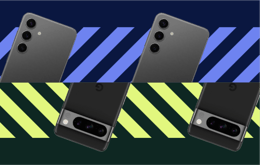
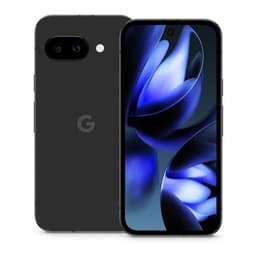
The Samsung Galaxy A56 (2025) and the Google Pixel 9A (2025) are both mid-range smartphones released in the same year, offering distinct approaches to the Android experience. While the Galaxy A56 emphasizes a larger display and Samsung's One UI, the Pixel 9A focuses on a more compact design and Google's signature software features, including advanced AI capabilities. Both devices aim to provide a balanced user experience with solid performance and camera systems.
Colour
Storage
When considering the long-term usability of a smartphone, software support and physical resilience are key factors. Both the Galaxy A56 and the Pixel 9A offer substantial longevity, though with some differences in their approach.
Year of Release
Compatible with latest Update
OS
Foldable
Both the Galaxy A56 and the Pixel 9A are equipped to handle daily tasks and more demanding applications, though they achieve this through different internal architectures.
The visual experience on a smartphone is largely defined by its display, and both the Galaxy A56 and Pixel 9A offer high-quality screens with distinct characteristics.
Resolution
Both smartphones offer capable camera systems, but they approach photography with different hardware configurations and software philosophies.
Front camera
Beyond core specifications, several practical features and design elements differentiate the Galaxy A56 and Pixel 9A, influencing daily interaction and user convenience.
Weight
Screen size (in)
Mobile network
SIM card
Carrier compatibility
Connector
The Samsung Galaxy A56 and Google Pixel 9A both present compelling options in the mid-range smartphone market, each with its own strengths that cater to different user preferences. Users often praise the Galaxy A56 for its premium build quality, featuring a glass back and aluminum frame, and its large, vibrant Super AMOLED display. Its fast wired charging and expandable storage are also frequently highlighted as positive aspects. However, some users have noted that its in-display fingerprint sensor can be slower than competitors, and the utility of its macro camera is sometimes questioned.
The Google Pixel 9A receives acclaim for its exceptional camera performance, driven by Google's advanced image processing, and its commitment to long-term software support with seven years of updates. Its brighter display and slightly more robust IP68 water resistance are also strong points. Criticisms sometimes point to its use of Gorilla Glass 3, which is an older standard, and its slower wired charging speed compared to some rivals.
Users prioritizing a larger, more visually immersive display and expandable storage for extensive media libraries may find the Samsung Galaxy A56 well-suited to their needs. Its premium design and faster charging could also be significant advantages. Conversely, users who value a superior photography experience, the latest AI features, and the longest possible software support will likely lean towards the Google Pixel 9A. Its more compact form factor and higher water resistance also make it a practical choice for those seeking a durable and pocket-friendly device.
For those considering either of these capable devices, exploring quality-assured refurbished options can provide an eco-friendly alternative, offering access to these features while extending the product's lifecycle.