
Google Pixel 9a Vs iPhone 14

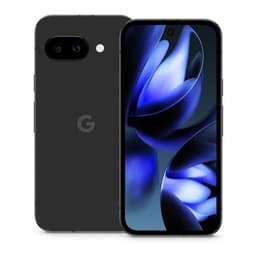
Google Pixel 9a
Google Pixel 9a
Starting at

Refurbished price:£319.00

Versus £499.00 new

See options
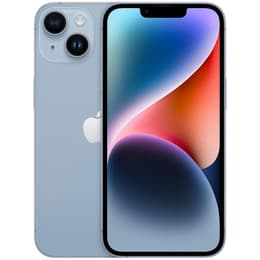
iPhone 14
iPhone 14
Starting at

Refurbished price:£229.00

Versus £599.00 new

See options

Ratings

The Google Pixel 9A (2025) and the iPhone 14 (2022) are two popular smartphones that cater to different user preferences within the Android and iOS ecosystems. While the Pixel 9A is a more recent release, the iPhone 14 remains a staple for those integrated into the Apple environment. The primary differences lie in their release timing, display technology, and software longevity.

The Pixel 9A offers a modern Android experience with a focus on helpful features, whereas the iPhone 14 provides a consistent and familiar interface that many users find intuitive. Both devices are designed to provide a reliable experience for daily tasks, but they appeal to different priorities regarding screen smoothness and ecosystem integration.

Scores

Durability

The age gap between these two devices significantly impacts their expected lifespan and software support cycles.

  • Software Longevity: The Pixel 9A, released in 2025, benefits from a long-term update policy that ensures it receives the latest features and security patches for several years. In contrast, the iPhone 14, launched in 2022, has already used a portion of its support window, though it remains a reliable choice for several more years.
  • Build and Repair: Both phones feature robust glass and metal constructions designed to withstand daily use. The iPhone 14 is known for its widely available repair parts, while the Pixel 9A follows modern standards for component accessibility, making both devices relatively straightforward to maintain over time.
  • Practical Lifespan: Users can expect the Pixel 9A to remain current for a longer period due to its newer hardware, whereas the iPhone 14 is a proven performer that is now entering its mature phase.

Year of Release

2025

2022

Compatible with latest Update

Yes

Yes

OS

Android

iOS

Foldable

No

No

Performance

Despite the difference in release years, both smartphones handle everyday tasks with ease, though they approach multitasking and efficiency differently.

  • System Responsiveness: The Pixel 9A is designed to handle modern applications and multitasking smoothly, with a focus on helpful software features that anticipate user needs. The iPhone 14 remains highly responsive, providing a fluid experience when switching between apps or browsing the web.
  • Battery and Efficiency: In typical daily use, both devices are capable of lasting through a full day of standard activities like messaging, social media, and navigation. The iPhone 14 is noted for its efficient power management, while the Pixel 9A utilises modern hardware to balance performance with energy consumption.
  • Storage and Memory: Both models offer various storage capacities to suit different needs, ensuring enough space for photos and apps. The Pixel 9A provides ample memory for smooth background operations, matching the seamless multitasking capabilities found on the iPhone 14.

Memory (GB)

8 GB

6 GB

Screen quality

The viewing experience differs notably between these two models, particularly regarding how smoothly motion appears on the screen.

  • Display Technology: Both smartphones utilise OLED technology, which provides deep blacks and vibrant colours for an immersive viewing experience. This makes both devices excellent for watching videos or viewing high-resolution photographs in various lighting conditions.
  • Motion Smoothness: The Pixel 9A features a higher refresh rate, which results in much smoother scrolling and animations compared to the standard refresh rate on the iPhone 14. This difference is most noticeable when browsing long web pages or navigating through the interface.
  • Outdoor Visibility: Both screens are designed to be bright enough for comfortable use outdoors, though the newer technology in the Pixel 9A may offer a slight edge in peak brightness during direct sunlight.

Resolution

2424 x 1080

1170 x 2532

Audiovisual

Photography and video remain core strengths for both brands, with each device offering a distinct approach to capturing memories.

  • Photography Style: The Pixel 9A is renowned for its processing capabilities, often producing images with excellent dynamic range and accurate skin tones. The iPhone 14 focuses on natural colour reproduction and consistent performance across its different lenses, ensuring that photos look realistic and balanced.
  • Video Capabilities: For users who record a lot of video, the iPhone 14 offers exceptional stabilisation and clear audio, making it a favourite for social media content. The Pixel 9A provides high-quality video recording with helpful software tools that allow users to enhance the final result through intelligent editing.
  • Audio Output: Both devices feature stereo speakers that deliver clear and balanced sound for media consumption. Microphone quality is high on both, ensuring that voice calls are crisp and recordings for videos are easy to understand.

Front camera

13 megapixels

12 megapixels

Miscellaneous

Practical features like connectivity and physical design play a significant role in the daily handling of these smartphones.

  • Connectivity and Ports: The Pixel 9A uses a universal USB-C port for charging and data transfer, which is compatible with a wide range of modern accessories. The iPhone 14 utilises the Lightning port, which is specific to the Apple ecosystem and requires specific cables that many long-term users may already own.
  • Biometric Security: The Pixel 9A typically employs an under-display fingerprint sensor for quick and secure access to the device. In contrast, the iPhone 14 uses facial recognition technology to unlock the phone and authorise payments securely, providing a hands-free way to manage security.
  • Size and Weight: Both phones have a similar footprint, making them comfortable to hold and use with one hand for extended periods. Their lightweight designs and slim profiles ensure they are portable enough for travellers, students, and professionals who need a device that fits easily into a pocket.

Weight

186 g

172 g

Screen size (in)

6.3

6.1

Mobile network

5G

5G

SIM card

Physical SIM + eSIM

Physical SIM + eSIM

Carrier compatibility

Unlocked

Unlocked

Connector

USB-C

Lightning

User feedback from various forums suggests that the Google Pixel 9A is highly regarded for its modern display and impressive camera features, though some users note that the Android interface can take time to master. The iPhone 14 is frequently praised for its reliability and the seamless way it works with other Apple products, although some users mention the lack of a high refresh rate as a drawback compared to newer models.

Users who prioritise a smooth screen and the latest software features may find the Pixel 9A to be the better fit for their needs. Conversely, those who value a consistent user experience and are already invested in a specific ecosystem might prefer the iPhone 14. Choosing a quality-assured refurbished option for either device is a practical way to access modern technology. Both smartphones remain capable tools for modern life, and opting for an eco-friendly alternative ensures that high-quality devices stay in use for longer.


See all articles

Our recent comparisons