iPhone 14 Vs iPhone 15

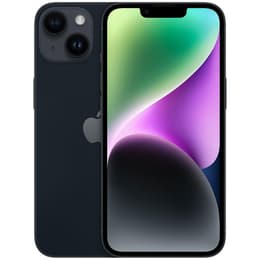
iPhone 14
iPhone 14
Starting at

Refurbished price:£229.00

Versus £599.00 new

See options
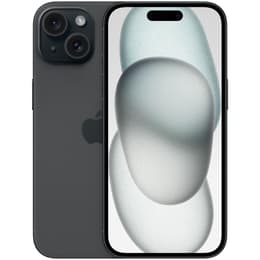
iPhone 15
iPhone 15
Starting at

Refurbished price:£325.00

Versus £699.00 new

See options

Ratings

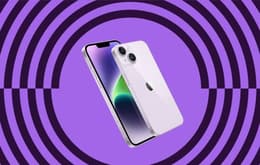
The iPhone 14, introduced in 2022, and the iPhone 15, which followed in 2023, represent two distinct steps in the evolution of the modern smartphone. While they share a similar physical footprint and the same iOS operating system, the iPhone 15 introduces a significant shift in design and connectivity that distinguishes it from its predecessor. These devices are designed to provide a reliable and fluid user experience, but they cater to slightly different priorities regarding camera technology and screen interaction.

Both models continue to receive regular software updates, ensuring that users have access to the latest features and security enhancements. Choosing between them involves weighing the benefits of newer hardware features against the established reliability of the previous generation.

Scores

Durability

Both the iPhone 14 and iPhone 15 are built with longevity in mind, featuring robust materials and long-term software support that ensures they remain functional for many years.

  • Software Longevity: The iPhone 15, being the newer model, is expected to receive official software updates for approximately one year longer than the iPhone 14, likely extending its useful life into the next decade.
  • Physical Resilience: Both models utilise a Ceramic Shield front cover and an aluminium frame, providing a high level of resistance against common drops and scratches encountered during regular use.
  • Environmental Protection: Each device carries an IP68 rating, meaning they are designed to withstand immersion in water and are well-protected against dust, which contributes to their overall durability in various environments.

Year of Release

2022

2023

Compatible with latest Update

Yes

Yes

OS

iOS

iOS

Foldable

No

No

Performance

While both smartphones provide a responsive experience for everyday tasks, the internal hardware of the iPhone 15 is designed to handle more intensive workloads with greater ease.

  • Daily Responsiveness: The iPhone 15 offers a slightly more fluid experience when launching large applications or switching between multiple active tasks, reducing the likelihood of minor pauses during heavy use.
  • Power Management: Both devices are engineered to provide a full day of battery life under normal conditions, though the iPhone 15 features more efficient internal components that help maintain performance during long gaming sessions.
  • System Efficiency: The iPhone 15 manages its memory and processing power in a way that ensures the interface remains smooth even as newer, more demanding software updates are released over time.

Memory (GB)

6 GB

6 GB

Screen quality

The display technology on both devices is designed for clarity and colour accuracy, but the iPhone 15 introduces a more interactive way to engage with the screen.

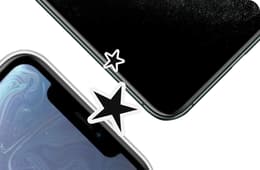
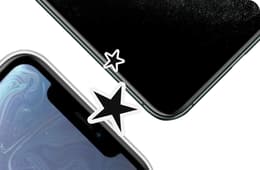
  • Interactive Interface: The iPhone 15 replaces the traditional notch found on the iPhone 14 with the Dynamic Island, a versatile area that changes shape to display alerts, timers, and music controls.
  • Brightness Levels: For users who frequently use their phones outdoors, the iPhone 15 offers a display that can become significantly brighter, making it much easier to see the screen in direct sunlight.
  • Visual Experience: Both models feature 6.1-inch OLED screens that deliver deep blacks and vibrant colours, providing an immersive experience for watching videos or browsing high-resolution photo galleries.

Resolution

1170 x 2532

1179 x 2556

Screen type

Super Retina XDR OLED

Super Retina XDR OLED

Audiovisual

The camera systems on these two models offer different levels of detail, with the iPhone 15 providing more flexibility for those who enjoy mobile photography.

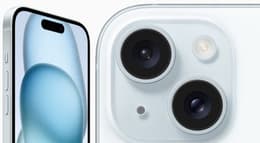
  • Sensor Resolution: The iPhone 15 features a main camera with a much higher pixel count than the iPhone 14, allowing for photos that retain more detail when zoomed in or printed in larger formats.
  • Zoom Versatility: Although neither phone has a separate zoom lens, the iPhone 15 uses its high-resolution sensor to offer a virtual zoom feature that produces clearer close-up images than the iPhone 14.
  • Video and Audio: Both devices support high-quality video recording with advanced stabilisation, ensuring that handheld footage remains steady and clear, while multiple microphones provide crisp audio for calls and recordings.

Main camera

12 megapixels

48 megapixels

Front camera

12 megapixels

12 megapixels

Miscellaneous

Practical considerations such as charging standards and physical comfort play a large role in the daily experience of using these two smartphones.

  • Charging and Data: The iPhone 15 uses the universal USB-C port, which is compatible with a wide range of modern electronics, whereas the iPhone 14 uses the older, proprietary Lightning connector.
  • Ergonomic Design: While the dimensions are nearly identical, the iPhone 15 has slightly rounded edges on its frame, which can make the device feel more comfortable in the hand during extended periods of use.
  • Security and Connectivity: Both models include FaceID for secure biometric authentication and support 5G networks, ensuring they are compatible with the fastest mobile data speeds available today.

Weight

172 g

171 g

Screen size (in)

6.1

6.1

Mobile network

5G

5G

SIM card

Physical SIM + eSIM

Physical SIM + eSIM

Carrier compatibility

Unlocked

Unlocked

Connector

Lightning

USB-C (USB 2)

Feedback from users on community forums indicates that the iPhone 15 is highly regarded for its transition to USB-C, which simplifies the charging process for those with other modern gadgets. The Dynamic Island is also frequently mentioned as a helpful addition that makes the screen feel more modern and useful for multitasking. On the other hand, the iPhone 14 is often praised for its reliability and the fact that it remains a very capable device for those who do not feel the need for the latest camera or screen updates. Some users have noted that the iPhone 14 is a practical choice for anyone who has already invested in a variety of Lightning cables and accessories.

Users who prioritise having a more versatile camera and the latest connectivity standards will likely find the iPhone 15 to be the better fit for their needs. Conversely, users who want a dependable, high-performing smartphone for standard daily tasks and prefer a familiar design may lean toward the iPhone 14. Choosing a quality-assured refurbished option for either model is an eco-friendly alternative that helps reduce electronic waste while providing a reliable device. Opting for a sustainable choice like a refurbished device ensures that high-quality technology remains in use for longer. Ultimately, both smartphones are capable examples of modern technology, and the decision depends on whether the newer port and screen features are essential for the user's daily routine.

See all articles

Our recent comparisons