iPhones
Compare models
Differences at a glance
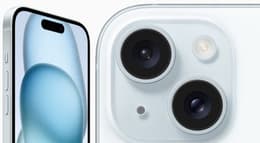
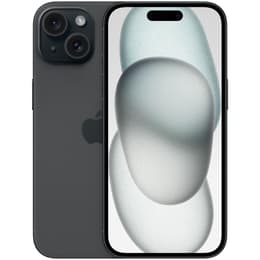
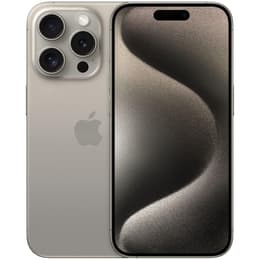
The iPhone 15 and iPhone 15 Pro, both launched in late 2023, represent the two primary paths within the modern smartphone ecosystem. While they share the same foundational design language and the innovative Dynamic Island interface, they are built to serve different user priorities and daily requirements. The iPhone 15 is designed as a versatile, high-performance device for the general user, whereas the iPhone 15 Pro introduces more advanced materials and enhanced internal capabilities for those seeking additional functionality. Both devices run the latest version of iOS, ensuring a consistent and secure software experience across the entire range of modern mobile tasks.
Colour
Storage
Both the iPhone 15 and the iPhone 15 Pro are engineered for long-term use, with the manufacturer typically providing software updates for six to seven years after a model's initial release. This means both devices are expected to remain functional and secure well into the early 2030s, making them reliable choices for long-term ownership.
Year of Release
Compatible with latest Update
OS
Foldable
While both phones handle everyday applications with ease, the internal hardware differences become apparent during more demanding workloads or when using professional-grade software. The standard iPhone 15 remains highly responsive for social media, web browsing, and high-definition streaming, providing a smooth experience for the vast majority of users.
The display is one of the most significant points of differentiation between these two smartphones, affecting how users interact with their content daily. Both feature a 6.1-inch Super Retina XDR display that provides exceptional clarity and colour accuracy, but the Pro model includes technology that changes the visual fluidity of the interface.
Resolution
Screen type
Photography and video recording are central to the experience of both devices, yet the Pro model offers a more versatile toolkit for those who want more control over their media. Both phones feature a 48-megapixel main sensor that captures high-resolution images with impressive detail in various lighting conditions.
Main camera
Front camera
Beyond the core specifications, several practical differences influence how these phones feel and function in daily life. The transition to USB-C is universal across both models, but the capabilities of the port differ significantly for those who frequently transfer large amounts of data.
Weight
Screen size (in)
Mobile network
SIM card
Carrier compatibility
Connector
Public sentiment on community forums suggests that the choice between these two devices often comes down to how much a user values display smoothness and camera versatility. Many users praise the iPhone 15 for its lighter feel and the vibrant colour options available, noting that for everyday tasks, the performance is indistinguishable from the more advanced model. Conversely, the iPhone 15 Pro receives high marks from enthusiasts who appreciate the 120Hz refresh rate and the added flexibility of the telephoto lens for travel photography. Some users have noted that while the titanium frame is a welcome change, the standard model's aluminium build remains highly durable and practical for most daily scenarios.
Users who prioritise a lightweight device for social media, messaging, and standard photography will find the iPhone 15 to be an exceptionally capable companion that meets all modern requirements. Those who frequently engage in mobile gaming, professional content creation, or who simply want the smoothest possible screen interactions may find the iPhone 15 Pro better suited to their specific needs. Both models represent a significant step forward in smartphone design and functionality. Opting for a sustainable choice through refurbishment allows users to access these advanced features while reducing electronic waste and supporting environmental goals. Ultimately, the decision rests on whether the additional camera and display features of the Pro model align with your daily usage patterns and creative priorities.