iPhone 15 Pro Vs iPhone 16

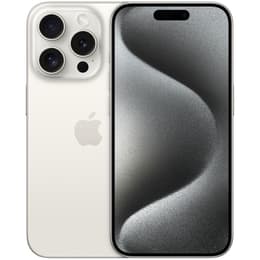
iPhone 15 Pro
iPhone 15 Pro
Starting at

Refurbished price:£399.00

Versus £999.00 new

See options
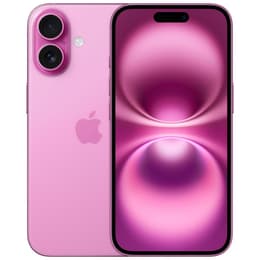
iPhone 16
iPhone 16
Starting at

Refurbished price:£484.00

Versus £699.00 new

See options

Ratings

The iPhone 15 Pro, released in September 2023, and the iPhone 16, launched in September 2024, represent different tiers within Apple's smartphone lineup. While the iPhone 15 Pro was a flagship model at its release, the iPhone 16 serves as a more recent standard offering. Key differentiators lie in their display technology, camera systems, and the materials used in their construction, influencing overall user experience and performance.

Scores

Durability

When considering the practical lifespan of these devices, both offer robust software support and durable designs, though their release timelines impact their long-term update potential.

  • Software Longevity: The iPhone 15 Pro, released in 2023, is expected to receive major iOS updates for a minimum of five years, extending to at least 2028. The iPhone 16, being a 2024 release, will benefit from an additional year of software support, ensuring a longer period of access to the latest features and security updates. [6]
  • Build Materials: The iPhone 15 Pro features a titanium frame, which contributes to its lighter weight compared to previous Pro models. The iPhone 16 utilizes an aluminum design with a color-infused glass back. Both devices incorporate a Ceramic Shield front cover and are rated IP68 for water and dust resistance, indicating resilience against everyday elements. [1, 4, 9]
  • Repairability: Both models are designed with Apple's ecosystem in mind, and while specific repairability scores can vary, they generally offer a consistent approach to component replacement through authorized service providers.

Year of Release

2023

2024

Compatible with latest Update

Yes

Yes

Foldable

No

No

Performance

Both the iPhone 15 Pro and iPhone 16 deliver strong performance for daily tasks and demanding applications, though they are powered by different generations of Apple's silicon.

  • Processing Power: The iPhone 15 Pro is equipped with the A17 Pro chip, featuring a 6-core CPU, a 6-core GPU, and a 16-core Neural Engine, providing substantial power for intensive gaming, video editing, and complex multitasking. The iPhone 16 houses the newer A18 chip, which includes a 6-core CPU, a 5-core GPU, and an enhanced 16-core Neural Engine, optimized for the latest software features, including Apple Intelligence. [1, 4, 9]
  • System Responsiveness: Users will find both devices highly responsive, capable of launching apps quickly and navigating interfaces smoothly. The A18 chip in the iPhone 16 offers generational improvements in efficiency and processing, which can translate to slightly faster performance in certain scenarios and better handling of future software demands. [5]
  • Multitasking and Storage: Both models offer ample RAM, allowing for efficient multitasking with multiple applications open simultaneously. They are available with various storage configurations, catering to users with different needs for apps, photos, and videos.

Memory (GB)

8 GB

8 GB

Screen quality

The visual experience on both iPhones is vibrant and clear, though the iPhone 15 Pro offers a more advanced display technology.

  • Display Technology: Both the iPhone 15 Pro and iPhone 16 feature Super Retina XDR OLED displays, delivering deep blacks, high contrast, and vivid colors. They both include the Dynamic Island, which integrates alerts and background activities seamlessly. [1, 4, 9]
  • Refresh Rate: A notable difference is the refresh rate. The iPhone 15 Pro boasts ProMotion technology, offering adaptive refresh rates up to 120Hz, which results in smoother scrolling and more fluid animations. The iPhone 16 maintains a standard 60Hz refresh rate. [1, 5, 26]
  • Brightness and Clarity: Both devices offer excellent brightness levels, with typical maximum brightness of 1000 nits, peak HDR brightness of 1600 nits, and peak outdoor brightness reaching 2000 nits, ensuring good visibility even in bright conditions. [1, 4, 9]

Resolution

1179 x 2556

1179 x 2556

Screen type

LTPO Super Retina XDR OLED

Super Retina XDR OLED

Audiovisual

Both iPhones provide capable camera systems for capturing photos and videos, with the iPhone 15 Pro offering a more versatile setup due to its dedicated telephoto lens.

  • Rear Camera System: The iPhone 15 Pro features a Pro camera system with a 48MP Main sensor, a 12MP Ultra Wide lens, and a dedicated 12MP 3x Telephoto lens, providing a 6x optical zoom range. The iPhone 16 comes with an advanced dual-camera system, including a 48MP Fusion Main sensor and a 12MP Ultra Wide lens, with the main sensor also enabling a 2x telephoto option. [1, 4, 7, 9]
  • Photography Features: Both models benefit from computational photography features like Photonic Engine, Deep Fusion, and Smart HDR 5, enhancing image quality across various lighting conditions. The iPhone 15 Pro supports Apple ProRAW for advanced users, while the iPhone 16 introduces a new Camera Control button for quick access to camera tools and supports spatial video recording. [1, 4, 14, 18]
  • Video Capabilities: Both devices are capable of recording high-quality video, including Cinematic mode up to 4K HDR at 30 fps. The iPhone 15 Pro supports HDR video recording with Dolby Vision up to 4K at 60 fps, while the iPhone 16 offers Action mode up to 2.8K Dolby Vision at 60 fps. [1, 14]

Main camera

48 megapixels

48 megapixels

Front camera

12 megapixels

12 megapixels

Miscellaneous

Beyond core features, several practical elements differentiate the user experience between the iPhone 15 Pro and iPhone 16.

  • Connectivity Standards: The iPhone 15 Pro supports Wi-Fi 6E and features a USB-C port with USB 3 speeds, allowing for faster data transfers. The iPhone 16 upgrades to Wi-Fi 7 for potentially faster wireless connections but its USB-C port operates at USB 2.0 speeds. [1, 4, 9, 10]
  • Physical Controls: The iPhone 15 Pro introduced the customizable Action Button, which can be programmed for various functions. The iPhone 16 also includes an Action Button and adds a dedicated Camera Control button, providing quick access to camera functions like zoom and depth of field. [1, 5, 14]
  • Dimensions and Handling: The iPhone 15 Pro has a width of 70.6 mm, a height of 146.6 mm, a depth of 8.25 mm, and weighs 187 grams. The iPhone 16 is slightly lighter at 170 grams, with a width of 71.6 mm, a height of 147.6 mm, and a depth of 7.80 mm, offering a marginally different feel in hand. [1, 4, 9]

Weight

187 g

170 g

Screen size (in)

6.1

6.1

Mobile network

5G

5G

SIM card

Physical SIM + eSIM

Physical SIM + eSIM

Carrier compatibility

Unlocked

Unlocked

Connector

USB-C

USB-C (USB 2)

User feedback for the iPhone 15 Pro often highlights its powerful performance, the versatility of its Pro camera system with a dedicated telephoto lens, and the smooth visual experience provided by its ProMotion display. Some users noted concerns regarding the durability of the titanium frame in certain drop scenarios compared to previous stainless steel models. [23]

The iPhone 16 is frequently praised for its improved battery life compared to its predecessors and the introduction of the Camera Control button, which enhances the photography experience. A common point of discussion among users is the continued use of a 60Hz display, which some find less fluid than the 120Hz ProMotion displays found on Pro models. [5, 26]

For users prioritizing a highly fluid display experience, a dedicated telephoto camera for optical zoom, and faster wired data transfer speeds, the iPhone 15 Pro may be the more suitable choice. Its ProMotion display and advanced camera capabilities cater to those who value premium features for media consumption and creative work. Conversely, individuals seeking a newer device with extended software support, enhanced battery longevity, and the latest Wi-Fi standard may find the iPhone 16 to be a compelling option. Its improved efficiency and dedicated camera control button offer a refined experience for everyday use and casual photography. Both devices offer a quality-assured refurbished option, providing a sustainable choice for consumers.

See all articles

Our recent comparisons