Compare models
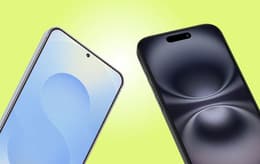
Galaxy S26 Vs iPhone 16 Pro
- 1-year minimum warranty
- Free delivery on all items
- Free 30-day returns
Differences at a glance
The Samsung Galaxy S26 (2026) and the Apple iPhone 16 Pro (2024) represent high-end smartphone lines from rival operating systems, combining polished designs with advanced computing capabilities. While they operate on different software platforms—Android and iOS respectively—both devices cater to users seeking refined performance, high-quality cameras, and premium build materials in a compact flagship form factor.
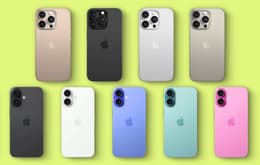
Available Models
Colour
Storage
Scores
Durability
Both smartphones are engineered for multi-year usage, though they approach long-term software support and hardware durability through different manufacturer lifecycles.
- Software Support: The iPhone 16 Pro benefits from Apple's established history of extended iOS updates, whereas the Galaxy S26 offers a multi-year commitment to Android version updates and security patches.
- Repairability: Both manufacturers provide structured repair frameworks and authorized service channels, ensuring components like batteries and displays can be replaced over time.
- Expected Lifespan: Robust build materials and high-tier processing power ensure both devices maintain functional relevance for daily tasks across several years of ownership.
Year of Release
2026
2024
Compatible with latest Update
Yes
Yes
Foldable
No
No
Performance
System performance across both handsets handles intensive everyday multitasking, complex applications, and demanding mobile games without noticeable friction.
- Multitasking and Memory: Generous RAM allocations on both models allow background apps to remain active and switch smoothly without unexpected reloads.
- Battery Behavior: Both devices manage power efficiently during standard daily use, though heavy tasks like extended video streaming or gaming result in different discharge rates depending on individual usage patterns.
- Storage Configuration: Starting capacities accommodate large photo libraries and applications, with various tiers available to suit different storage requirements.
Screen quality
Visual output relies on advanced OLED technology to deliver high contrast, deep blacks, and sharp details suitable for reading, media consumption, and outdoor viewing.
- Display Technology: Both models utilize vibrant organic light-emitting diode panels with high pixel densities for crisp text and media reproduction.
- Outdoor Legibility: High peak brightness capabilities allow both screens to remain readable under direct sunlight or bright ambient lighting.
- Refresh Rate: Adaptive high refresh rate technology ensures fluid scrolling through web pages and smooth motion during interface navigation.
Resolution
1080 x 2340
1206 x 2622
Audiovisual
Imaging capabilities on both devices incorporate versatile multi-lens rear camera arrays designed to capture detailed photographs and high-definition video across various lighting conditions.
- Lens Versatility: Main, ultra-wide, and telephoto configurations allow users to transition easily between standard focal lengths, wide landscapes, and zoomed subjects.
- Low-Light Performance: Advanced sensor hardware and automated image processing brighten dark environments while preserving realistic color accuracy and reducing visual noise.
- Video and Audio: High-resolution video recording features steady stabilization and clear directional microphone pickup for reliable media creation and voice calls.
Front camera
12.0
12 megapixels
Miscellaneous
Practical physical and connectivity attributes shape how each device fits into everyday routines and accessory ecosystems.
- Connectivity: Modern cellular and wireless standards, including fast 5G and recent Wi-Fi generations, ensure stable network connections.
- Physical Dimensions: Both phones feature similar screen sizes near 6.3 inches, offering balanced ergonomics that fit comfortably in pockets and hands.
- Build Materials: Durable glass backs and robust metal frames provide structural integrity while maintaining a refined tactile feel.
Weight
167 g
199 g
Screen size (in)
6.3
6.3
Mobile network
5G
5G
SIM card
Dual Physical SIM + eSIM
Physical SIM + eSIM
Carrier compatibility
Unlocked
Unlocked
Connector
USB-C
USB-C (USB 3)
What the community thinks
User feedback on community forums highlights distinct preferences for each ecosystem. Owners of the iPhone 16 Pro frequently praise its seamless integration with other Apple devices, responsive facial recognition, and reliable video recording tools, though some note that file management can feel restrictive compared to Android. Conversely, Galaxy S26 users appreciate the customizable home screen options, flexible multitasking features, and bright display panels, while occasionally pointing out that software customization options require a brief adjustment period.
Users who are deeply integrated into Apple's software ecosystem and prioritize intuitive video capture will find the iPhone 16 Pro well-suited to their workflow, while those who prefer Android's open environment and extensive interface customization may lean toward the Galaxy S26. For buyers exploring sustainable options, choosing a quality-assured refurbished option provides an eco-friendly alternative that reduces electronic waste without compromising on core performance or daily reliability.