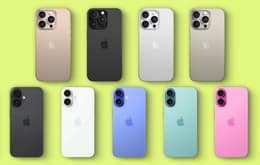
iPhone 16 Plus Vs iPhone 16 Pro

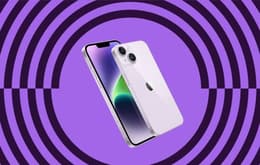
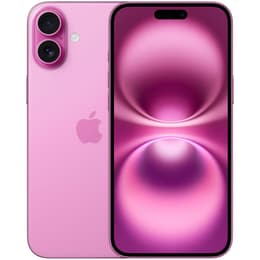
iPhone 16 Plus
iPhone 16 Plus
Starting at

Refurbished price:£502.00

Versus £799.00 new

See options
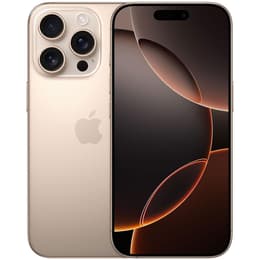
iPhone 16 Pro
iPhone 16 Pro
Starting at

Refurbished price:£560.00

Versus £999.00 new

See options

Ratings

The iPhone 16 Plus and iPhone 16 Pro, both released in September 2024, represent distinct offerings within Apple's smartphone lineup. While both devices operate on the same iOS platform and support the new Apple Intelligence features, they cater to different user needs through variations in display technology, camera capabilities, and overall performance.

Scores

Durability

Both the iPhone 16 Plus and iPhone 16 Pro were introduced in September 2024, ensuring they benefit from Apple's consistent software update policy for several years. This means users can expect a similar duration of operating system support and access to new features.

  • Software Longevity: Both models are designed to receive iOS updates for an extended period, typically 5-6 years from their release, providing a long functional lifespan.
  • Physical Durability: The iPhone 16 Plus features an aluminum design with a Ceramic Shield front and color-infused glass back, offering robust protection. The iPhone 16 Pro, however, utilizes a titanium alloy frame, which is known for its strength and lighter weight, also paired with a Ceramic Shield front.
  • Environmental Resistance: Both devices carry an IP68 rating, indicating resistance to dust and water immersion up to a maximum depth of 6 meters for up to 30 minutes.

Year of Release

2024

2024

Compatible with latest Update

Yes

Yes

Foldable

No

No

Performance

The performance of the iPhone 16 Plus and iPhone 16 Pro is driven by different internal components, leading to varied experiences, particularly for demanding tasks.

  • Processing Power: The iPhone 16 Plus is equipped with the A18 chip, providing smooth operation for everyday applications and multitasking. The iPhone 16 Pro features the more advanced A18 Pro chip, which includes a 6-core CPU, a 6-core GPU, and a 16-core Neural Engine, enhancing performance for intensive tasks like advanced gaming, professional video editing, and AI-driven features.
  • Multitasking and Responsiveness: While both phones handle multiple applications efficiently, the iPhone 16 Pro's enhanced processor and increased memory bandwidth contribute to a more fluid experience when switching between heavy applications or running complex computations.
  • Battery Performance: The iPhone 16 Plus offers up to 27 hours of offline video playback, while the iPhone 16 Pro also provides up to 27 hours of local video playback and 22 hours of streamed video playback. Real-world usage indicates that the iPhone 16 Plus can sometimes offer slightly longer battery endurance in certain scenarios compared to the iPhone 16 Pro, likely due to its larger physical size allowing for a bigger battery and the absence of a ProMotion display.

Memory (GB)

8 GB

8 GB

Screen quality

Both the iPhone 16 Plus and iPhone 16 Pro feature high-quality displays, but there are key distinctions in their technology and capabilities that affect the viewing experience.

  • Display Technology and Clarity: Both models utilize a Super Retina XDR OLED display, delivering vibrant colors, deep blacks, and excellent contrast. The iPhone 16 Plus has a 6.7-inch display with a resolution of 2796 x 1290 pixels, while the iPhone 16 Pro features a slightly smaller 6.3-inch display with a resolution of 2622 x 1206 pixels. Both maintain a pixel density of 460 pixels per inch, ensuring sharp visuals.
  • Brightness and Outdoor Visibility: Both displays offer a typical maximum brightness of 1,000 nits, a peak HDR brightness of 1,600 nits, and can reach up to 2,000 nits peak brightness outdoors, making them highly visible even in bright sunlight. They also feature a 1 nit minimum brightness, useful for low-light environments.
  • Refresh Rate and Smoothness: A notable difference lies in the refresh rate. The iPhone 16 Pro includes ProMotion technology, offering a variable refresh rate up to 120Hz, which results in smoother scrolling and more fluid animations, particularly noticeable during gaming or fast-paced content. The iPhone 16 Plus operates at a standard refresh rate. The iPhone 16 Pro also features an Always-On display, which the iPhone 16 Plus does not.

Resolution

1290 x 2796

1206 x 2622

Screen type

Super Retina XDR OLED

LTPO Super Retina XDR OLED

Audiovisual

The camera systems are a primary differentiator, with the iPhone 16 Pro offering more advanced features for photography and videography enthusiasts.

  • Rear Camera System: The iPhone 16 Plus features an advanced dual-camera system with a 48MP Fusion main camera and a 12MP ultra-wide camera. The iPhone 16 Pro steps up with a Pro camera system, including a 48MP Fusion main camera, a 48MP ultra-wide camera, and a 12MP telephoto lens with 5x optical zoom, which was previously exclusive to the Pro Max models. The Pro model also includes a LiDAR scanner for improved depth sensing.
  • Photography Capabilities: Both devices excel in everyday photography, capturing detailed images with good color accuracy. The iPhone 16 Pro's larger ultra-wide sensor and dedicated telephoto lens provide greater versatility, especially for wide-angle shots, low-light conditions, and distant subjects. The Pro model also supports 48MP ProRAW photos for more post-processing flexibility.
  • Video Recording and Audio: Both phones support 4K Dolby Vision video recording. The iPhone 16 Pro offers more advanced video features, including ProRes video recording up to 4K at 120 frames per second with external recording, Log video recording, and support for the Academy Color Encoding System, catering to professional videographers. It also incorporates four studio-quality microphones for enhanced audio capture.

Main camera

48 megapixels

48 megapixels

Front camera

12 megapixels

12 megapixels

Miscellaneous

Beyond core performance and display, several practical elements contribute to the overall user experience of these devices.

  • Connectivity and Ports: Both the iPhone 16 Plus and iPhone 16 Pro support the latest connectivity standards, including 5G (sub-6 GHz and mmWave), Wi-Fi 7, and Bluetooth 5.3, ensuring fast and reliable wireless connections. Both models feature a USB-C port for charging and data transfer. The iPhone 16 Pro's USB-C port supports USB 3 speeds (up to 10Gb/s) and DisplayPort, offering faster data transfer and external display capabilities.
  • Physical Design and Handling: The iPhone 16 Plus measures 160.9 mm in height, 77.8 mm in width, and 7.80 mm in depth, weighing 199 grams. The iPhone 16 Pro is slightly more compact at 149.6 mm in height, 71.5 mm in width, and 8.25 mm in depth, also weighing 199 grams. The Pro model's titanium frame contributes to its lightweight yet durable feel.
  • Additional Features: Both devices include the Action button, providing quick access to customizable functions. They also support Apple Intelligence, offering advanced AI capabilities. Both models rely on Face ID for secure authentication.

Weight

199 g

199 g

Screen size (in)

6.7

6.3

Mobile network

5G

5G

SIM card

Physical SIM + eSIM

Physical SIM + eSIM

Carrier compatibility

Unlocked

Unlocked

Connector

USB-C (USB 2)

USB-C (USB 3)

The iPhone 16 Plus and iPhone 16 Pro, both launched in 2024, offer compelling experiences but are tailored for different user priorities. Users frequently praise the iPhone 16 Plus for its large display and robust battery life, making it a strong contender for those who prioritize media consumption and extended usage without frequent charging.

The iPhone 16 Pro, on the other hand, receives acclaim for its advanced camera system, powerful processor, and the smoother visual experience provided by its ProMotion display. Users who engage in demanding tasks like mobile gaming, professional photography, or video editing often find the Pro model better suited to their needs. Some users of the Pro model have noted that while the battery life is improved over previous Pro generations, it may not match the endurance of the larger Plus model in all scenarios.

Ultimately, the choice between these two devices depends on individual preferences. Users prioritizing a larger screen and maximum battery life for general use will find the iPhone 16 Plus a suitable option. Those who require top-tier camera capabilities, a high refresh rate display, and the most powerful processing for intensive applications will likely gravitate towards the iPhone 16 Pro. For those considering a more sustainable choice, quality-assured refurbished options for both models are available, offering an eco-friendly alternative to purchasing new.


See all articles

Our recent comparisons