'%3e%3cpath%20fill='%23f0f0f0'%20d='M40%200H0v26.667h40V0'/%3e%3cpath%20fill='%23d80027'%20d='M22.5%200h-5v10.833H0v5h17.5v10.833h5V15.833H40v-5H22.5V0'/%3e%3cpath%20fill='%230052b4'%20d='M30.765%2017.97%2040%2023.102v-5.13h-9.235m-6.417-.002L40%2026.667v-2.459l-11.226-6.236h-4.426m11.482%208.694-11.482-6.38v6.38H35.83'/%3e%3cpath%20fill='%23f0f0f0'%20d='M24.348%2017.97%2040%2026.667v-2.459l-11.226-6.236h-4.426'/%3e%3cpath%20fill='%23d80027'%20d='M24.348%2017.97%2040%2026.667v-2.459l-11.226-6.236h-4.426'/%3e%3cpath%20fill='%230052b4'%20d='M7.058%2017.97%200%2021.891v-3.92h7.058m8.594%201.105v7.59H1.992l13.66-7.59'/%3e%3cpath%20fill='%23d80027'%20d='M11.226%2017.97%200%2024.208v2.46l15.652-8.696h-4.426'/%3e%3cpath%20fill='%230052b4'%20d='M9.235%208.696%200%203.565v5.13h9.235m6.417.001L0%200v2.459l11.226%206.237h4.426M4.17%200l11.482%206.38V0H4.17'/%3e%3cpath%20fill='%23f0f0f0'%20d='M15.652%208.696%200%200v2.459l11.226%206.237h4.426'/%3e%3cpath%20fill='%23d80027'%20d='M15.652%208.696%200%200v2.459l11.226%206.237h4.426'/%3e%3cpath%20fill='%230052b4'%20d='M32.942%208.696%2040%204.774v3.922h-7.058M24.348%207.59V0h13.66l-13.66%207.59'/%3e%3cpath%20fill='%23d80027'%20d='M28.774%208.696%2040%202.459V0L24.348%208.696h4.426'/%3e%3c/g%3e%3cdefs%3e%3cclipPath%20id='country-flag-gb-a'%3e%3cpath%20fill='%23fff'%20d='M0%200h40v26.67H0z'/%3e%3c/clipPath%3e%3c/defs%3e%3c/svg%3e)
'%3e%3cpath%20fill='%23f0f0f0'%20d='M40%200H0v26.666h40V0'/%3e%3cpath%20fill='%23d80027'%20d='M40%200H0v8.889h40V0m0%2017.778H0v8.888h40v-8.888'/%3e%3c/g%3e%3cdefs%3e%3cclipPath%20id='country-flag-at-a'%3e%3cpath%20fill='%23fff'%20d='M0%200h40v26.67H0z'/%3e%3c/clipPath%3e%3c/defs%3e%3c/svg%3e)
'%3e%3cpath%20fill='%2310338c'%20d='M0%200h40v26.67H0V0'/%3e%3cpath%20fill='%23fff'%20d='m9.899%2016.971.856%201.828%201.922-.455-.856%201.82%201.549%201.261-1.93.447.008%202.028-1.55-1.27-1.54%201.27.008-2.028-1.93-.447%201.548-1.26-.863-1.82%201.93.454.848-1.828m20.226%203.552.404.87.919-.215-.413.87.74.599-.919.207v.974l-.732-.607-.739.607.008-.974-.918-.207.739-.599-.412-.87.918.215.405-.87M25.097%209.986l.405.87.918-.215-.412.87.74.599-.92.215v.966l-.73-.607-.74.607.008-.966-.926-.215.739-.599-.412-.87.918.215.412-.87m5.028-7.2.404.87.919-.215-.413.87.74.598-.919.216V6.09l-.732-.607-.739.607.008-.966-.918-.216.739-.598-.412-.87.918.215.405-.87m4.552%205.245.405.87L36%208.685l-.413.87.74.599-.918.207v.974l-.732-.606-.74.606v-.974l-.918-.207.74-.599-.413-.87.919.216.412-.87m-2.91%205.26.319%201.014h1.035l-.84.623.326%201.013-.84-.63-.84.63.318-1.014-.833-.622h1.036l.319-1.014M19.922%200v2.443l-3.51%202.003h3.51V9.18h-4.599l4.6%202.618v1.828h-2.079l-5.72-3.264v3.264H7.799v-3.88l-6.802%203.88H0v-2.442L3.518%209.18H0V4.446h4.6L0%201.82V0h2.078l5.72%203.257V0h4.326v3.88L18.935%200h.988'/%3e%3cpath%20fill='%23d80027'%20d='M11.206%200h-2.49v5.532H0v2.554h8.716v5.54h2.49v-5.54h8.716V5.532h-8.716V0'/%3e%3cpath%20fill='%230052b4'%20d='m12.125%209.18%207.797%204.446v-1.26L14.335%209.18h-2.21'/%3e%3cpath%20fill='%23fff'%20d='m12.125%209.18%207.797%204.446v-1.26L14.335%209.18h-2.21'/%3e%3cpath%20fill='%23d80027'%20d='m12.125%209.18%207.797%204.446v-1.26L14.335%209.18h-2.21m-6.53%200L0%2012.365v1.261L7.798%209.18H5.595'/%3e%3cpath%20fill='%230052b4'%20d='M7.798%204.446%200%200v1.253l5.595%203.193h2.203'/%3e%3cpath%20fill='%23fff'%20d='M7.798%204.446%200%200v1.253l5.595%203.193h2.203'/%3e%3cpath%20fill='%23d80027'%20d='M7.798%204.446%200%200v1.253l5.595%203.193h2.203m6.537%200%205.587-3.193V0l-7.798%204.446h2.21'/%3e%3c/g%3e%3cdefs%3e%3cclipPath%20id='country-flag-au-a'%3e%3cpath%20fill='%23fff'%20d='M0%200h40v26.67H0z'/%3e%3c/clipPath%3e%3c/defs%3e%3c/svg%3e)
'%3e%3cpath%20fill='%23ffda44'%20d='M40%200H0v26.67h40V0'/%3e%3cpath%20fill='%23000'%20d='M13.333%200H0v26.67h13.333V0'/%3e%3cpath%20fill='%23d80027'%20d='M40%200H26.667v26.67H40V0'/%3e%3c/g%3e%3cdefs%3e%3cclipPath%20id='country-flag-be-a'%3e%3cpath%20fill='%23fff'%20d='M0%200h40v26.67H0z'/%3e%3c/clipPath%3e%3c/defs%3e%3c/svg%3e)
'%3e%3cpath%20fill='%23000'%20d='M40%200H0v8.89h40V0'/%3e%3cpath%20fill='%23d80027'%20d='M40%208.89H0v8.89h40V8.89'/%3e%3cpath%20fill='%23ffda44'%20d='M40%2017.78H0v8.89h40v-8.89'/%3e%3c/g%3e%3cdefs%3e%3cclipPath%20id='country-flag-de-a'%3e%3cpath%20fill='%23fff'%20d='M0%200h40v26.67H0z'/%3e%3c/clipPath%3e%3c/defs%3e%3c/svg%3e)
'%3e%3cpath%20fill='%23ffda44'%20d='M40%200H0v26.667h40V0'/%3e%3cpath%20fill='%23d80027'%20d='M40%200H0v8.889h40V0m0%2017.777H0v8.89h40v-8.89'/%3e%3c/g%3e%3cdefs%3e%3cclipPath%20id='country-flag-es-a'%3e%3cpath%20fill='%23fff'%20d='M0%200h40v26.67H0z'/%3e%3c/clipPath%3e%3c/defs%3e%3c/svg%3e)
'%3e%3cpath%20fill='%23f0f0f0'%20d='M40%200H0v26.667h40V0'/%3e%3cpath%20fill='%232e52b2'%20d='M40%2011.667V15H14.348v11.667h-3.334V15H0v-3.333h11.014V0h3.334v11.667H40'/%3e%3c/g%3e%3cdefs%3e%3cclipPath%20id='country-flag-fi-a'%3e%3cpath%20fill='%23fff'%20d='M0%200h40v26.67H0z'/%3e%3c/clipPath%3e%3c/defs%3e%3c/svg%3e)
'%3e%3cpath%20fill='%23f0f0f0'%20d='M40%200H0v26.667h40V0'/%3e%3cpath%20fill='%230052b4'%20d='M13.333%200H0v26.667h13.333V0'/%3e%3cpath%20fill='%23d80027'%20d='M40%200H26.667v26.667H40V0'/%3e%3c/g%3e%3cdefs%3e%3cclipPath%20id='country-flag-fr-a'%3e%3cpath%20fill='%23fff'%20d='M0%200h40v26.67H0z'/%3e%3c/clipPath%3e%3c/defs%3e%3c/svg%3e)
'%3e%3cpath%20fill='%23f0f0f0'%20d='M40%200H0v26.666h40V0'/%3e%3cpath%20fill='%23338af3'%20d='M40%200H0v3.333h40V0m0%206.667H0V10h40V6.667m0%206.667H0v3.333h40v-3.334M40%2020H0v3.333h40V20'/%3e%3cpath%20fill='%23338af3'%20d='M14.782%200H0v13.334h14.782V0'/%3e%3cpath%20fill='%23f0f0f0'%20d='M14.782%205.186H0v2.962h14.782V5.186'/%3e%3cpath%20fill='%23f0f0f0'%20d='M8.872%200H5.91v13.334h2.962V0'/%3e%3c/g%3e%3cdefs%3e%3cclipPath%20id='country-flag-gr-a'%3e%3cpath%20fill='%23fff'%20d='M0%200h40v26.67H0z'/%3e%3c/clipPath%3e%3c/defs%3e%3c/svg%3e)
'%3e%3cpath%20fill='%23f0f0f0'%20d='M40%200H0v26.666h40V0'/%3e%3cpath%20fill='%236da544'%20d='M13.333%200H0v26.667h13.333V0'/%3e%3cpath%20fill='%23ff9811'%20d='M40%200H26.667v26.667H40V0'/%3e%3c/g%3e%3cdefs%3e%3cclipPath%20id='country-flag-ie-a'%3e%3cpath%20fill='%23fff'%20d='M0%200h40v26.67H0z'/%3e%3c/clipPath%3e%3c/defs%3e%3c/svg%3e)
'%3e%3cpath%20fill='%23f0f0f0'%20d='M26.667%200H0v26.667h40V0H26.667'/%3e%3cpath%20fill='%236da544'%20d='M13.333%200H0v26.667h13.333V0'/%3e%3cpath%20fill='%23d80027'%20d='M40%200H26.667v26.667H40V0'/%3e%3c/g%3e%3cdefs%3e%3cclipPath%20id='country-flag-it-a'%3e%3cpath%20fill='%23fff'%20d='M0%200h40v26.67H0z'/%3e%3c/clipPath%3e%3c/defs%3e%3c/svg%3e)
'%3e%3cpath%20fill='%23f0f0f0'%20fill-rule='evenodd'%20d='M0%20.86h40v26.67H0V.86'%20clip-rule='evenodd'/%3e%3cpath%20fill='%23d80027'%20d='M20%2021.835a8.5%208.5%200%201%200%200-17%208.5%208.5%200%200%200%200%2017'/%3e%3c/g%3e%3cdefs%3e%3cclipPath%20id='country-flag-jp-a'%3e%3cpath%20fill='%23fff'%20d='M0%200h40v26.67H0z'/%3e%3c/clipPath%3e%3c/defs%3e%3c/svg%3e)
'%3e%3cpath%20fill='%23a2001d'%20d='M40%200H0v8.89h40V0'/%3e%3cpath%20fill='%23f0f0f0'%20d='M40%208.89H0v8.89h40V8.89'/%3e%3cpath%20fill='%230052b4'%20d='M40%2017.78H0v8.89h40v-8.89'/%3e%3c/g%3e%3cdefs%3e%3cclipPath%20id='country-flag-nl-a'%3e%3cpath%20fill='%23fff'%20d='M0%200h40v26.67H0z'/%3e%3c/clipPath%3e%3c/defs%3e%3c/svg%3e)
'%3e%3cpath%20fill='%23d80027'%20d='M40%200H0v26.666h40V0'/%3e%3cpath%20fill='%236da544'%20d='M15.363%200v26.666H0V0h15.363'/%3e%3cpath%20fill='%23ffda44'%20d='M15.363%2018.335a5%205%200%201%200%200-10%205%205%200%200%200%200%2010'/%3e%3cpath%20fill='%23d80027'%20d='M12.55%2010.835v3.125a2.813%202.813%200%200%200%205.625%200v-3.125H12.55'/%3e%3cpath%20fill='%23f0f0f0'%20d='M15.362%2014.898a.94.94%200%200%201-.937-.938v-1.25H16.3v1.25a.94.94%200%200%201-.938.938'/%3e%3c/g%3e%3cdefs%3e%3cclipPath%20id='country-flag-pt-a'%3e%3cpath%20fill='%23fff'%20d='M0%200h40v26.67H0z'/%3e%3c/clipPath%3e%3c/defs%3e%3c/svg%3e)
'%3e%3cpath%20fill='%230052b4'%20d='M40%200H0v26.667h40V0'/%3e%3cpath%20fill='%23ffda44'%20d='M15%200h-5v10.833H0v5h10v10.834h5V15.833h25v-5H15V0'/%3e%3c/g%3e%3cdefs%3e%3cclipPath%20id='country-flag-se-a'%3e%3cpath%20fill='%23fff'%20d='M0%200h40v26.67H0z'/%3e%3c/clipPath%3e%3c/defs%3e%3c/svg%3e)
'%3e%3cpath%20fill='%23f0f0f0'%20d='M40%200H0v26.666h40V0'/%3e%3cpath%20fill='%230052b4'%20d='M40%208.696H0v9.275h40V8.696'/%3e%3cpath%20fill='%23d80027'%20d='M40%2017.97H0v8.696h40v-8.695'/%3e%3cpath%20fill='%23f0f0f0'%20d='M10.115%207.538v6.651c0%203.784%204.942%204.943%204.942%204.943S20%2017.972%2020%2014.189V7.538h-9.885'/%3e%3cpath%20fill='%23d80027'%20d='M11.416%207.733v6.402a2.7%202.7%200%200%200%20.283%201.21h6.717a2.7%202.7%200%200%200%20.283-1.21V7.733h-7.283'/%3e%3cpath%20fill='%23f0f0f0'%20d='M17.29%2012.196h-1.675v-1.115h1.116V9.965h-1.116V8.849H14.5v1.116h-1.115v1.116H14.5v1.115h-1.673v1.116H14.5v1.116h1.116v-1.116h1.674v-1.116'/%3e%3cpath%20fill='%230052b4'%20d='M13.221%2016.902a8%208%200%200%200%201.836.83%208%208%200%200%200%201.836-.83q1.09-.685%201.523-1.558a1.94%201.94%200%200%200-1.57-.306%201.953%201.953%200%200%200-3.576%200%201.96%201.96%200%200%200-1.57.306q.433.872%201.521%201.558'/%3e%3c/g%3e%3cdefs%3e%3cclipPath%20id='country-flag-sk-a'%3e%3cpath%20fill='%23fff'%20d='M0%200h40v26.67H0z'/%3e%3c/clipPath%3e%3c/defs%3e%3c/svg%3e)
'%3e%3cpath%20fill='%23f0f0f0'%20d='M40%200H0v26.667h40V0'/%3e%3cpath%20fill='%23d80027'%20d='M40%2024.5v2.1H0v-2.1h40m0-2.15H0v-2.1h40v2.1m0-4H0v-2.1h40v2.1m0-4H0v-2.1h40v2.1m0-4.25H0V8h40v2.1m0-4H0V4h40v2.1m0-4H0V0h40v2.1'/%3e%3cpath%20fill='%232e52b2'%20d='M20%200H0v14.36h20V0'/%3e%3cpath%20fill='%23f0f0f0'%20d='M1.927%2012.964H2.5l-.464.337.178.545L1.75%2013.51l-.464.336.178-.545L1%2012.964h.573L1.75%2012.42l.177.545m3.172%200h.573l-.464.337.177.545-.463-.336-.464.336.178-.545-.464-.337h.573l.177-.545.177.545m3.172%200h.573L8.38%2013.301l.177.545-.463-.336-.464.336.177-.545-.463-.337h.572l.178-.545.177.545m3.171%200h.574l-.464.337.177.545-.463-.336-.464.336.177-.545-.463-.337h.572l.178-.545.176.545m3.485%200H15.5l-.464.337.178.545-.464-.336-.464.336.178-.545L14%2012.964h.573l.177-.545.177.545m3.5%200H19l-.464.337.178.545-.464-.336-.464.336.178-.545-.464-.337h.573l.177-.545.177.545m-15-1.406H4l-.464.337.178.545-.464-.337-.464.337.178-.545L2.5%2011.558h.573l.177-.545.177.545m3.172%200h.573l-.464.337.177.545-.463-.337-.464.337.178-.545-.464-.337h.573l.177-.545.177.545m3.172%200h.573L9.88%2011.895l.177.545-.463-.337L9.13%2012.44l.177-.545-.463-.337h.572l.178-.545.177.545m3.171%200h.574l-.464.337.177.545-.463-.337-.464.337.177-.545-.463-.337h.572l.178-.545.176.545m3.485%200H17l-.464.337.178.545-.464-.337-.464.337.178-.545-.464-.337h.573l.177-.545.177.545m-14.5-1.57H2.5l-.464.337.178.545-.464-.337-.464.337.178-.545L1%209.988h.573L1.75%209.443l.177.545m3.172%200h.573l-.464.337.177.545-.463-.337-.464.337.178-.545-.464-.337h.573l.177-.545.177.545m3.172%200h.573L8.38%2010.325l.177.545-.463-.337L7.63%2010.87l.177-.545-.463-.337h.572l.178-.545.177.545m3.171%200h.574l-.464.337.177.545-.463-.337-.464.337.177-.545-.463-.337h.572l.178-.545.176.545m3.485%200H15.5l-.464.337.178.545-.464-.337-.464.337.178-.545L14%209.988h.573l.177-.545.177.545m3.5%200H19l-.464.337.178.545-.464-.337-.464.337.178-.545L17.5%209.988h.573l.177-.545.177.545m-15-1.43H4L3.536%208.895%203.714%209.44%203.25%209.103%202.786%209.44l.178-.545L2.5%208.558h.573L3.25%208.013l.177.545m3.172%200h.573L6.708%208.895%206.885%209.44%206.422%209.103%205.958%209.44l.178-.545-.464-.337h.573l.177-.545.177.545m3.172%200h.573L9.88%208.895l.177.545-.463-.337L9.13%209.44l.177-.545-.463-.337h.572l.178-.545.177.545m3.171%200h.574l-.464.337.177.545-.463-.337-.464.337.177-.545-.463-.337h.572l.178-.545.176.545m3.485%200H17l-.464.337.178.545-.464-.337-.464.337.178-.545L15.5%208.558h.573l.177-.545.177.545m-14.5-1.547H2.5L2.036%207.348l.178.545L1.75%207.556%201.286%207.893l.178-.545L1%207.011h.573L1.75%206.466l.177.545m3.172%200h.573L5.208%207.348l.177.545-.463-.337-.464.337.178-.545-.464-.337h.573l.177-.545.177.545m3.172%200h.573L8.38%207.348l.177.545-.463-.337L7.63%207.893l.177-.545-.463-.337h.572l.178-.545.177.545m3.171%200h.574l-.464.337.177.545-.463-.337-.464.337.177-.545-.463-.337h.572l.178-.545.176.545m3.485%200H15.5l-.464.337.178.545-.464-.337-.464.337.178-.545L14%207.011h.573l.177-.545.177.545m3.5%200H19l-.464.337.178.545-.464-.337-.464.337.178-.545L17.5%207.011h.573l.177-.545.177.545m-15-1.453H4L3.536%205.895%203.714%206.44%203.25%206.103%202.786%206.44l.178-.545L2.5%205.558h.573L3.25%205.013l.177.545m3.172%200h.573L6.708%205.895%206.885%206.44%206.422%206.103%205.958%206.44l.178-.545-.464-.337h.573l.177-.545.177.545m3.172%200h.573L9.88%205.895l.177.545-.463-.337L9.13%206.44l.177-.545-.463-.337h.572l.178-.545.177.545m3.171%200h.574l-.464.337.177.545-.463-.337-.464.337.177-.545-.463-.337h.572l.178-.545.176.545m3.485%200H17l-.464.337.178.545-.464-.337-.464.337.178-.545L15.5%205.558h.573l.177-.545.177.545m-14.5-1.523H2.5L2.036%204.37l.178.545L1.75%204.58%201.286%204.916l.178-.545L1%204.035h.573L1.75%203.49l.177.545m3.172%200h.573L5.208%204.37l.177.545L4.922%204.58%204.458%204.916l.178-.545-.464-.336h.573L4.922%203.49l.177.545m3.172%200h.573L8.38%204.37l.177.545L8.094%204.58%207.63%204.916l.177-.545-.463-.336h.572L8.094%203.49%208.27%204.035m3.171%200h.574L11.552%204.37l.177.545-.463-.337-.464.337.177-.545-.463-.336h.572l.178-.545.176.545m3.485%200H15.5L15.036%204.37l.178.545L14.75%204.58l-.464.337.178-.545L14%204.035h.573L14.75%203.49l.177.545m3.5%200H19L18.536%204.37l.178.545L18.25%204.58l-.464.337.178-.545L17.5%204.035h.573L18.25%203.49l.177.545m-15-1.477H4L3.536%202.895%203.714%203.44%203.25%203.103%202.786%203.44l.178-.545L2.5%202.558h.573L3.25%202.013l.177.545m3.172%200h.573L6.708%202.895%206.885%203.44%206.422%203.103%205.958%203.44l.178-.545-.464-.337h.573l.177-.545.177.545m3.172%200h.573L9.88%202.895l.177.545-.463-.337L9.13%203.44l.177-.545-.463-.337h.572l.178-.545.177.545m3.171%200h.574l-.464.337.177.545-.463-.337-.464.337.177-.545-.463-.337h.572l.178-.545.176.545m3.485%200H17l-.464.337.178.545-.464-.337-.464.337.178-.545L15.5%202.558h.573l.177-.545.177.545m-14.5-1.5H2.5L2.036%201.395%202.214%201.94%201.75%201.603%201.286%201.94l.178-.545L1%201.058h.573L1.75.513l.177.545m3.172%200h.573L5.208%201.395%205.385%201.94%204.922%201.603%204.458%201.94l.178-.545-.464-.337h.573l.177-.545.177.545m3.172%200h.573L8.38%201.395%208.557%201.94%208.094%201.603%207.63%201.94l.177-.545-.463-.337h.572l.178-.545.177.545m3.171%200h.574l-.464.337.177.545-.463-.337-.464.337.177-.545-.463-.337h.572l.178-.545.176.545m3.485%200H15.5l-.464.337.178.545-.464-.337-.464.337.178-.545L14%201.058h.573l.177-.545.177.545m3.5%200H19l-.464.337.178.545-.464-.337-.464.337.178-.545L17.5%201.058h.573l.177-.545.177.545'/%3e%3c/g%3e%3cdefs%3e%3cclipPath%20id='country-flag-us-a'%3e%3cpath%20fill='%23fff'%20d='M0%200h40v26.67H0z'/%3e%3c/clipPath%3e%3c/defs%3e%3c/svg%3e)



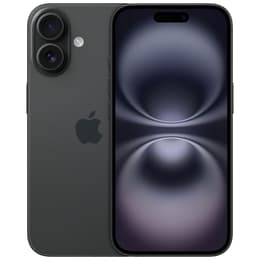
The iPhone 16 is still worth buying refurbished in the UK in 2026. Its A18 chip, 48MP dual-camera system, MagSafe wireless charging, and Apple Intelligence support give you the full Apple experience at prices starting from £452 on Back Market — well below the £699 you'd pay for a new model. The real question in 2026 is not whether the iPhone 16 is a good phone. It clearly is. The question is which version of the iPhone makes sense for your budget: the refurbished iPhone 16, the new iPhone 16e, or the refurbished iPhone 15 Pro. This guide gives you a straight answer — and covers everything from camera performance to battery health on refurbished units, so you can decide with confidence.
TL; DR
✨ The iPhone 16 is still an excellent smartphone, even when considering the release of the iPhone 17. The standard iPhone 16 and 16 Plus deliver solid everyday performance with the A18 chip, dependable cameras, and useful hardware additions. The iPhone 16 Pro and Pro Max go further with the more powerful A18 Pro chip, advanced camera systems, and ProMotion displays.
So, even though the 16s are older, they still deliver the core Apple experience without making you dig extra change out of your pocket. The base model does, however, have a less-than-favourable 60Hz display, but most users can look past this, given that it benefits from Apple’s long software support window.
Bottom line 💗💗💗🤍🤍 3,5/5
A strong previous-generation iPhone that now offers exceptional value refurbished
Apple's entire agenda with the launch of the iPhone 16 was to refine the standard user experience without dramatically changing its tried-and-true formula. So, instead of introducing an entirely new design, they focused on day-to-day usability improvements.
This meant that the Action Button replaced the traditional mute switch to enable easier shortcut triggering, and the brand introduced a Camera Control button to speed up picture-taking. When combined with the A18 chip and Apple Intelligence support, the phone became an almost instant must-buy for Apple users.
With the introduction of the iPhone 17, however, the iPhone 16's worth has shifted. It’s no longer the latest and greatest, but it still sits firmly in the “sweet spot” of affordability and performance, especially if you buy refurbished.
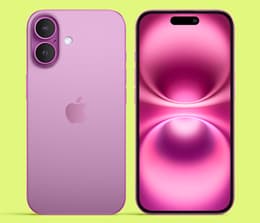
- (14,535)
Refurbished price:£501.49
Versus £699.00 new
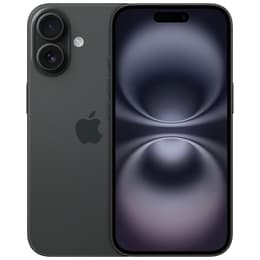
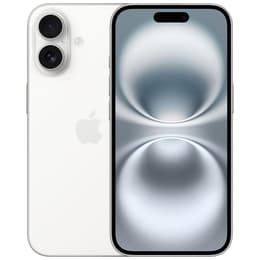
- (14,516)
Refurbished price:£543.99
Versus £899.00 new
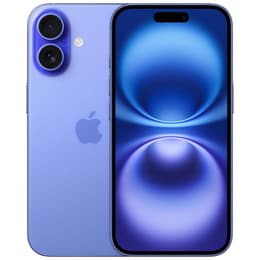
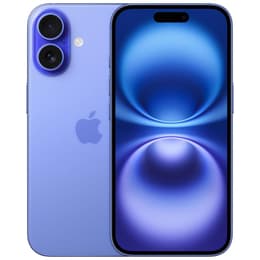
Why you can trust this review
Can you believe the iPhone 16’s release date (2024) is already almost 2 years behind us? Given that the Apple iPhone 16 has been on the market for more than a year, we have intimate knowledge of its components, software, and real-world performance because our techs have had their hands on them day in and day out.
At Back Market, our tech professionals have spent countless hours evaluating this model to understand what makes it tick. We know what matters most for long-term ownership and keep this at the forefront of our minds when cleaning them, repairing them, evaluating their condition, and completing the refurbishing process.
Instead of focusing solely on specs, our reviews share what really matters: long-term performance, durability, battery health, and resale and refurbishment value. We share this knowledge so that, ultimately, the power is in your hands to decide how you feel about the iPhone 17 vs iPhone 16, and which is best for you.
What are the Apple iPhone 16 pros and cons?
✨The Apple iPhone 16 is an excellent device that delivers the brand's typical good performance with a great camera system, decent battery life, and customisable features, but it still has its limitations.
Below, you’ll find an insider’s look at the positives and negatives of the Apple iPhone 16. It's always helpful to have a quick look to determine whether the phone still deserves to be on your tech radar:
iPhone 16 pros | iPhone 16 cons |
|---|---|
The Action Button adds customisable shortcuts. | Limited to a 60Hz screen refresh rate. |
The Camera Control button improves usability in photography. | Only the iPhone 16 Pro and Pro Max include Apple’s triple-camera system with a dedicated telephoto lens and higher zoom capabilities. |
Strong battery life for everyday use. | Design changes are fairly minimal. |
Apple’s best value offering for performance and price. |
Apple iPhone 16 specs
✨Compared to more modern phones like the iPhone 17, Samsung S26 Ultra, and Pixel 10a, the iPhone 16, Pro, and Pro Max might not be as razzle-dazzle, but they can hold their own, especially when it comes to specs that still matter.
Here’s a snapshot of what you can expect to see spec-wise in the iPhone 16:
Display: 6.1-inch Super Retina XDR OLED, 2556 × 1179 resolution, 60Hz screen refresh rate
Processor: Apple A18 chip
RAM: 8GB
Storage: 128GB / 256GB / 512GB
Rear cameras: 48MP main + 12MP ultrawide
Front camera: 12MP TrueDepth camera
Battery: Up to 22 hours of video playback
Charging: USB-C wired charging, MagSafe wireless charging
Operating system: iOS 18 (upgradeable through future iOS versions)
Durability: Ceramic Shield front, IP68 water and dust resistance
Connectivity: 5G, Wi-Fi 7 (802.11be) with 2×2 MIMO, Bluetooth 5.3
Special features: Action Button, Camera Control button, Apple Intelligence support
These specifications apply to the standard iPhone 16 model, while the Pro and Pro Max variants feature higher-end components, including ProMotion displays and additional camera hardware.
Is 128GB enough in 2026?
✨128GB can be enough for light users, but it may feel limiting for many in 2026.
With larger app sizes, 4K video recording, and AI-driven features, storage fills up faster than it used to. If you regularly take photos, download media, or plan to keep the phone for several years, 256GB is a safer long-term choice.
That said, 128GB can still work if you rely on cloud storage (iCloud, Google Photos) and manage files actively.
What are the key features of the iPhone 16 in 2026?
Admittedly, Apple's iPhone 16 wasn’t a huge improvement for those coming from newer iPhone models like the iPhone 14 or iPhone 15. One Redditor even said:
“Either get an iPhone 15 if you're budgeting, or get the iPhone 17 because it is a huuuuge leap from the 15/16. iPhone 16 has 8GB of RAM for Apple Intelligence, but AI is utterly useless, so you're not missing out on anything.”
It also might not be the best move for anyone with a newer phone than the iPhone 16, as it could feel like a downgrade. But if you’re on a budget and looking for all-round value, it’s worth considering. As another Redditor said:
“This phone brought all the features I ever wanted in a smaller package, and I genuinely love it. I’ve always gone for the top-end models since the XS Max, but the iPhone 16 has really surprised me in the best way. For the price after trade-in, it’s one of the best decisions I’ve made. If you’re considering a smaller, simpler phone without sacrificing too much power, the iPhone 16 is worth a look.”
With this in mind, let’s look at the features and benefits you might want to know about to help you with your purchasing decision.
How is the battery life of the iPhone 16?
✨The iPhone 16’s battery life is impressive overall and on par with other iPhones. The performance is relatively good, but not top-of-the-line.

The A18 chip helps the iPhone 16 deliver faster performance and efficient battery usage for everyday tasks.
The iPhone 16 comes with a faster A18 chipset than its predecessors, undeniably enhancing its performance. Even so, not everyone was impressed. In fact, one Redditor said:
“Performance-wise? I almost can’t tell the difference between this and the 13 Pro Max. Same UI, same experience, same everything.” Yikes.
However, while the standard iPhone 16 uses the A18 chip, the iPhone 16 Pro and Pro Max feature the A18 Pro, which provides additional graphics performance for demanding apps and games. Additionally, though some believe otherwise, the A18 chip is in fact about 30% faster than the A16 chip models, with graphics performance about 40% higher. So, there is a difference, even if it is not immediatelyapparent. In addition, the phone feels snappier than many others in operation and is still fairly fast compared to other phones on the market.
In practice, this means the iPhone 16 will handle everything from video editing to gaming without slowing down — and unlike most Android phones at a similar price point, it's likely to receive iOS security updates well into the late 2020s.
The iPhone 16 battery capabilities
When it comes to battery size and life capabilities, the iPhone 16 doesn’t disappoint. The phone has around a 3,561 mAh battery that can often last more than 22 hours on a single charge. This is even the case with both 5G and Wi-Fi on, thanks to the more power-efficient A18 chip.
Charging speeds remain fairly standard for Apple. The iPhone 16 supports around 20W–27W wired charging, reaching roughly 50% in about 30 minutes, with a full charge taking approximately 1.5 to 2 hours depending on the adapter used. MagSafe wireless charging is also supported, though it’s slower than wired options.
And compared to the iPhone 17, it holds its own battery-wise, considering the iPhone 17 has about a 3,692 mAh cell. Just know, though, that Apple doesn’t release official battery sizing information, so this is based on what people have said about the models. Take that with a grain of salt.
How is the 5G performance on the iPhone 16?
✨5G connectivity on the iPhone 16 is fast and reliable, matching other flagship phones in 2026.
The iPhone 16 supports a wide range of 5G bands, delivering strong download speeds and stable connections in urban areas. In everyday use, this means smoother streaming, faster downloads, and better performance in crowded networks compared to older 4G devices.
While improvements over the iPhone 15 are incremental, 5G performance remains in line with competitors like the Samsung Galaxy S26 and Google Pixel 10.
What are the camera upgrades for the iPhone 16?
✨The camera on the iPhone 16 is better than that of past iPhone models and many lower-tier phones on the market, but its improvements may not be what everyone is looking for if they want the best of the best. The iPhone 16 performs best in well-lit environments, with more mixed results in low light.
There's no denying that many people stick to the Apple iPhone brand like glue because of the stunning photos it takes, and the iPhone 16 still impresses camera-wise.
This phone features a dual-camera system on the back and is broadly the same as the iPhone 15, with a 48MP main camera and a 12MP ultrawide lens. The latter can be controlled using the new physical Camera Control button found next to the power button, or by using touch.
Additionally, even though the camera can struggle a little in dim conditions (don’t come for us), the 2x in-sensor zoom more than makes up for it in good lighting. The ultrawide lens, with its autofocus and somewhat faster performance, also helps in dimmer environments.
The iPhone 16's camera also has a macro photography mode that lets you capture crisp close-up images at up to 2 cm (about 0.79 in). It's a fun feature, although admittedly a little useless to most people. It also comes with a few interesting photographic style features found on the iPhone 16 Pro and base model, with which you can adjust the tone, colour, and palette of photos either when taking them or after the fact.
Comparing cameras across the iPhone range? See our guide to the best iPhone for photos.
The iPhone 16 camera capabilities
The biggest letdown with the camera system, however, is that it doesn’t include a telephoto lens, which holds it back against similarly priced Android rivals, especially in 2026. And some, like this Redditor, feel that the camera isn’t much to write home about:
“Maybe technically better, but in real-world use, I honestly can’t see it. Speed? Basically the same. The whole thing just feels like a rebranded 13 Pro Max with a higher price tag.”
But there is light at the end of the tunnel. Those who want more advanced photography capabilities should note that the iPhone 16 Pro and Pro Max include a triple-camera system with a telephoto lens, which allows for improved optical zoom and more professional shooting options.
You’ll have to think carefully about buying one if the camera is a deciding factor.
Is the 60Hz display of the iPhone 16 good enough?
✨The iPhone 16’s base model display is still good enough. A 60Hz refresh rate is disappointing but bearable if you aren't too concerned about this feature. If you are, the Pro and Pro Max models offer better refresh rates.

The iPhone 16 features a bright 6.1-inch Super Retina XDR OLED display that remains sharp and colour-accurate despite its 60Hz refresh rate.
60Hz…GASP. We know, we know. A 60Hz refresh rate isn't it, but for many it's still good enough, especially those upgrading from older iPhone models. One Redditor said:
“120Hz to 60Hz: This was a concern, but surprisingly, the downgrade hasn’t been a big deal. Sure, 120Hz is nice, and all my other devices are 120Hz, but the 60Hz display doesn’t feel bad to me. I don’t use my phone heavily, so it hasn’t been an issue.”
The iPhone 16 features a 6.1-inch Super Retina XDR OLED panel with a stunning resolution of 2,556 × 1,179 and a density of 460 pixels per inch. See… good enough, especially when you take into account the 1-nit minimum-brightness mode. This allows the display to dim to an incredibly low level for comfortable nighttime phone use.
There’s no two ways around it, though. When you compare the iPhone 16 to newer phones, including midrange Android devices like the Pixel 10a, which offer 120Hz OLED panels, the divide is clear. Even the newer iPhone 17 generation offers higher refresh rates (more so on its Pro models), so it can leave the iPhone 16 feeling conservative in this area.
Yet, we would be remiss if we didn’t mention that the iPhone 16 Pro and Pro Max models feature ProMotion displays with refresh rates up to 120Hz, making animations and scrolling noticeably better.
How good are the iPhone 16 speakers and audio quality?
✨The iPhone 16 delivers some of the best audio performance in its class, with clear stereo separation and strong volume output.
The dual stereo speakers on the iPhone 16 (bottom-firing + earpiece) produce balanced sound with noticeable improvements in clarity and bass compared to older models. In real-world use, this translates to louder, cleaner playback for music, videos, and calls, with minimal distortion at higher volumes. Spatial Audio support also enhances the experience when paired with AirPods.
What are the performance improvements of the iPhone 16?
✨Better performance is what you would expect from the A18 chipset in the iPhone 16, and it's always nice to have a boost in RAM for day-to-day usability.
When the iPhone 16 came out, it leapfrogged an entire generation of Apple silicon, with the iPhone 15 relying on the A16 chip and the iPhone 16 releasing with the A18 chip. It effectively skipped the A17 generation used in the iPhone 15 Pro models.
With the A18 chipset, there are intelligent performance improvements thanks to its two performance cores and four efficiency cores. It also houses five GPU cores and a 16-core Neural Engine.
It's also worth knowing that the iPhone 16 jumps from 6GB of RAM to 8GB, which allows more memory for processes and apps, which is why it's far faster. But it’s not as fast as the iPhone 17, which houses the A19 chip, offering slightly better power efficiency.
Even so, the iPhone 16 delivers similar day-to-day performance, making it a more practical buy, especially when refurbished pricing comes into the picture, and you consider the software support.
✨AI integrations, both with Siri and overall on the iPhone 16, aren’t that impressive, but these features can still be useful, especially if you use other Apple products.

The iPhone 16 supports Apple Intelligence features designed to improve Siri interactions and on-device AI assistance.
Even with the newer iPhone 17 models that offer a broader selection of Apple Intelligence features, the core Siri experience and ChatGPT-style integrations behave much the same on the iPhone 16. This means that the day-to-day usefulness doesn’t change dramatically from the iPhone 16 to the iPhone 17. Unfortunately, when the iPhone 16 launched, many expected great things from its integrations and AI capabilities, but it's not really worth boasting about… at least not much.
Many expected Siri to be smarter and to possess better language understanding, but this isn’t the case. If you want to use Siri and its OpenAI integrations, you need to ask specific questions, and the answers it gives often aren’t seamless. In fact, it's more like a plug-in than a true integration, which, for many, means Siri has a new tool they never actually need to use.
However, it doesn’t mean that all its AI feature integrations are useless. Many will likely find the iPhone 16’s notification summaries and the integration with an Apple Watch useful. The AI-based emojis, image analysis, and writing tools are also handy to have if these are important to you.
An appearance that leaves a mark
✨The iPhone 16 design is quite beautiful, with more vivid colour saturation and advanced protection from aerospace-grade aluminium.

The iPhone 16 features bold color options and a durable aerospace-grade aluminum frame, while the iPhone 16 Pro and Pro Max use titanium materials and share the same overall design language across the lineup.
The design of the Apple iPhone 16 looks better. We may get some hate for saying that, but it's not a lie in our books. It's also not just our opinion. One Redditor, when commenting on other features, agreed with us. They said:
“I upgraded from an iPhone 13 128 GB to an iPhone 16 256 GB. I think it’s worth the upgrade. Better processor, better sound, better camera. I like the dynamic island, the action button, and the camera control feature. And the design feels prettier.”
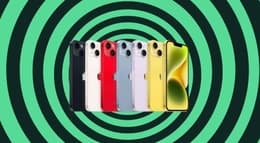
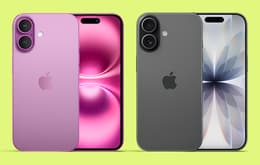
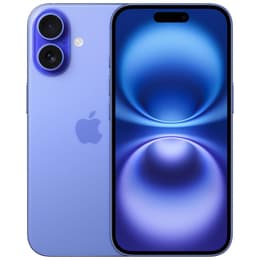
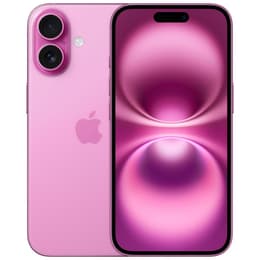
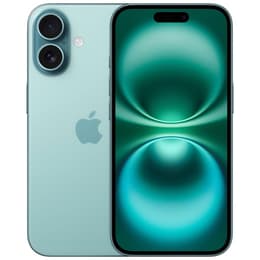
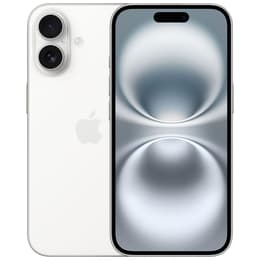
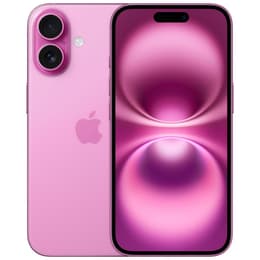
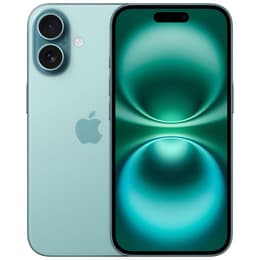
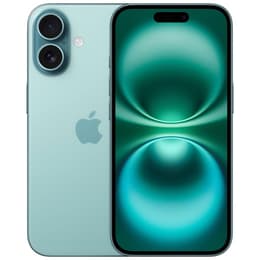
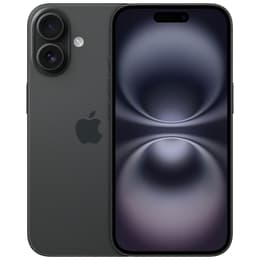
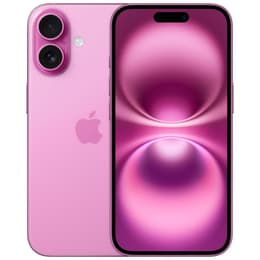
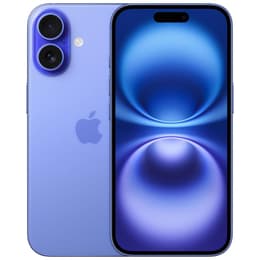
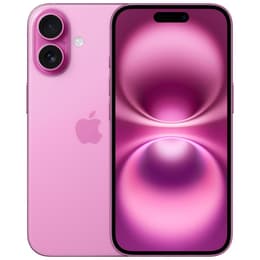
With the iPhone 16, even if you buy refurbished, you can expect brighter, far more saturated colour finishes than in predecessors. The available colours of the iPhone 16, which include Black, White, Pink, Teal, and Ultramarine, stand out more and are bolder.
Colour aside, the iPhone 16 also features aerospace-grade aluminium in its design, making it far more durable than you might expect. This is great for all of you who often drop your phones and need a durable Ceramic Shield on the front.
It's also safe to say that the iPhone 16’s design doesn't differ much from the iPhone 17 generation, with just a few minor differences. The 16 introduced most of the more modern elements, so it won't feel visually behind the latest models. The overall design language is also shared across the lineup, including the iPhone 16 Pro and Pro Max, although these models still feature titanium material designs.
How durable is the iPhone 16?
✨The iPhone 16 is built to withstand everyday accidents, with strong drop resistance and water protection.
The device carries an IP68 rating, meaning it can survive submersion in up to 6 metres of water for 30 minutes under controlled conditions. In practical terms, this protects against spills, rain, and accidental drops in water. However, it’s not a guarantee against long-term damage.
Apple’s Ceramic Shield front continues to offer improved drop protection compared to standard glass. Independent drop tests generally show better crack resistance than previous iPhone generations, though like all glass phones, it’s still vulnerable to hard impacts.
What do buyers say about the refurbished iPhone 16?
Our past clients have a lot to say about the iPhone 16s they have bought from us. Here’s a look at how they felt buying our refurbished tech:
“Can’t fault this company. I ordered a premium condition iPhone 16 and you’d think I’d just bought it new from the Apple Store; it’s faultless. Would recommend anyone to buy refurbished rather than spend more money on a new phone. Will be buying my phones from here now on!” - Alex Y.
“I bought the iPhone 16 in premium condition and it came as described and looks brand new! The battery health is also at 100%. I definitely recommend. Thank you!” - Lizziemay E.
“Amazing, good as new!!! Love my new phone, great condition, and I got to trade in my old phone. Super easy, no hassle, and got some cash back! Also comes with a free case! Absolutely worth it. I’m never buying new or from a second-hand shop again.” - Olivia D.
Why should you buy a refurbished iPhone 16 instead of new?
The social listening data tells a clear story: people don't need convincing that the iPhone 16 is a solid phone. What they need is confidence that buying refurbished is the right call. Here's why it usually is.
Refurbished iPhone 16 vs new iPhone 16e: more phone for similar money
The iPhone 16e starts at £599 new. A refurbished iPhone 16 starts from [var:iPhone 16|cheapest_price|452 ] on Back Market. That price gap alone is worth a pause — but the hardware gap is just as important. The iPhone 16 comes with MagSafe wireless charging, a 12MP ultrawide camera, the Action Button, and Camera Control. The 16e has none of those. In most cases, a Good-grade refurbished iPhone 16 gives you genuinely more hardware than a new 16e, at a lower price.
Refurbished iPhone 16 vs refurbished iPhone 15 Pro: newer chip, longer future
If you're considering a refurbished iPhone 15 Pro instead, here's the honest trade-off: the 15 Pro gives you a ProMotion 120Hz display, a dedicated telephoto camera, and a titanium frame. The refurbished iPhone 16 gives you a newer A18 chip, a longer iOS software support window, and typically a lower price point. For most buyers, the chip efficiency advantage, which directly benefits battery longevity over time, makes the iPhone 16 the smarter long-term bet. Compare the iPhone 17 vs iPhone 16 in detail here.
What about battery health on a refurbished iPhone 16?
This is the question buyers ask most and rightly so. Here's what you need to know. Every refurbished iPhone 16 sold on Back Market meets a minimum battery health of 85%. Batteries that fall below this threshold are replaced before the device goes on sale. All devices also pass a full functional test covering the touchscreen, cameras, Face ID, speakers, and connectivity before listing.
The grading system is transparent: a Good-grade iPhone 16 has visible scratches or small marks on the frame, but the screen is clean and the phone is fully functional. An Excellent-grade model has only light micro-scratches invisible at arm's length. A Premium-grade model is indistinguishable from new. Every grade comes with a 30-day money-back guarantee and a 1-year commercial warranty, so if something's not right, you're covered.
Unlike buying second-hand from a private seller, every refurbished iPhone 16 on Back Market has been professionally tested, cleaned, and graded. You know exactly what you're getting before it arrives.
Shopping tips: How to buy the Apple iPhone 16 for less
✨With the launch of the new iPhone 17 in 2025, the iPhone 16 becomes even better value for money, especially if you shop smart.
With the iPhone 17 released towards the end of 2025, the iPhone 16 is sitting comfortably in the more affordable price bracket. Since its release, iPhone 16 prices have dropped across retailers, carriers, and even refurbished marketplaces like Back Market. What this signals is that it may be time to capitalise on price savings and secure a new model.
The best tips we can give you for cost savings are to consider trade-ins for store credit or cash back, bundled options for better value, and buying refurbished to benefit from significantly reduced pricing. Just bear in mind that buying bundled promotions or trading in with a carrier could lead to long-term instalment commitments, and these can… suck. Additionally, if you want the cheapest option, the iPhone 16e is worth considering, as it starts at £599 compared to £799 for the iPhone 16. However, a refurbished iPhone 16 can still offer better overall value for money if you want impressive features without paying full retail. You may even get one refurbished for cheaper than the 16e model.
Why buying refurbished makes sense
According to Kaiann Drance, Apple’s vice president of Worldwide iPhone Product Marketing, the
“iPhone 17 is a fantastic choice for customers looking for the latest features and the confidence in knowing their iPhone is built to last.”
This may be true, but it doesn’t mean the iPhone 16 isn’t worth considering, especially if you buy refurbished.
A refurbished iPhone 16 offers you an easier way to access the Apple experience without paying full price or feeling forced to upgrade straight to the iPhone 17 series. When you buy refurbished, you often get a pretty nice discount that can see you saving upwards of 20%, depending on the model’s condition and where you buy it, especially when you purchase from Back Market.
We sell quality refurbished iPhones covered by the Back Market Promise. They are professionally cleaned and repaired before we grade them for cosmetics. In addition, our devices come with a 30-day money-back guarantee and a 1-year warranty, giving you the peace of mind you deserve, especially in this economy. before we grade them for cosmetics. In addition, our devices come with a 30-day money-back guarantee and a 1-year warranty, giving you the peace of mind you deserve, especially in this economy.
Beyond the financial savings, buying refurbished also means you're extending the life of existing electronics, which in turn reduces electronic waste because you’re keeping an older device in circulation.
Should you trade in your phone to upgrade to an iPhone 16?
No one these days wants to pay the full retail price for brand new when it comes to tech, and who can blame them? Not us. At Back Market, we understand the value of a good deal. That’s why we offer a simple trade-in program.
When you trade in your old device with us, you only need to submit information about your device's model and condition. We then offer an instant quote, you ship your device to us for free, and we verify its condition and make payment or issue you a credit. You can then put these funds towards a refurbished iPhone 16 or any other device you might have your eye on.
This approach allows you to upgrade without paying the full price of a new phone up front. It’s a win-win situation, if you ask us.
How much does a refurbished iPhone 16 cost vs buying new in 2026?
Those considering buying the iPhone 16 may want to compare its pricing with a few other models in Apple’s lineup, particularly now that the iPhone 17 is available.
Device | Price of new | Back Market refurbished price (starting) | Percentage saved |
|---|---|---|---|
£699 (estimated) | 334%* | 52% | |
£699 (Apple UK) | 488%* | 30% | |
iPhone 16e | £599 (estimated) | 385%* | 36% |
£799 (Apple UK) | 673%* | 16% |
*Back Market prices are set by sellers and taken at the date of publication — these are subject to change.
iPhone 16 vs alternatives: what else should you consider?
✨The iPhone 16 competes directly with several strong alternatives at similar price points.
If you’re shopping in this range, it’s worth comparing the iPhone 16 with some of its top competitors:
Samsung Galaxy S24: It offers a 120Hz display, strong AI features, and versatile cameras.
Google Pixel 9: It excels in computational photography and clean Android experience.
Both models often match or exceed the iPhone 16 in display smoothness and AI features, while Apple still leads in ecosystem integration and long-term software support.
Is the iPhone 16 still worth buying refurbished in 2026?
No one’s trying to say that the Apple iPhone 16 is superior to the iPhone 17 or other models in its class, but what we are saying is that it's still a pretty good-looking, dependable phone. While those who want the absolute best performance and camera hardware may prefer the iPhone 16 Pro or Pro Max, the standard iPhone 16 still offers a more accessible price point. It's also far more affordable to buy one refurbished from a company you can trust to offer you quality.
Then there's the iPhone 16e, which you may want to consider if you’re on a stricter budget. Some refurbished models are considerably cheaper than buying new, which saves you even more money. But you could still get the base model, which offers more value at a similar price point when refurbished. And to this we say…choices, choices.
If refurbished is the route you want to take, we’re the company for you. Our iPhone 16s are thoroughly checked over, with any software and hardware issues fixed, and sold with guarantees. So, if you’relooking for the modern iPhone experience at an accessible price point, you might want to check out our offers. And if you don’t want the iPhone 16, we offer a wide range of other phone brands, like Samsungand Google, to name a few.