Compare models

iPhone 16 Plus Vs iPhone Air

  • 1-year minimum warranty
  • Free delivery on all items
  • Free 30-day returns
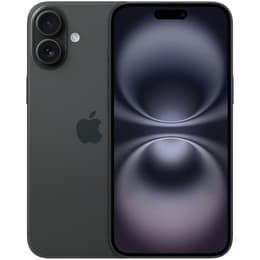
iPhone 16 Plus
Starting at

Refurbished price:£536.25

Versus £799.00 new

See options
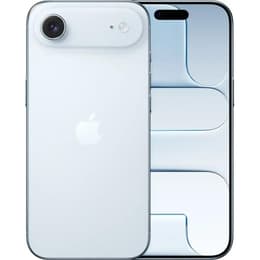
iPhone Air
Starting at

Refurbished price:£640.00

Versus £1,099.00 new

See options

Differences at a glance

The iPhone 16 Plus (2024) and the iPhone Air (2025) represent two distinct approaches to large-screen smartphone design within Apple's mobile ecosystem. While the iPhone 16 Plus focuses on traditional dimensions and established performance, the iPhone Air introduces a breakthrough ultra-thin profile and revised internal architecture. Both run on iOS and support modern software features, but they cater to very different physical preferences and daily usage priorities.

Available Models

Colour

Storage (GB)

Scores

Durability

When evaluating hardware longevity and software support, both devices offer robust lifespans backed by multi-year update cycles and durable construction standards.

  • Release timeline: The iPhone 16 Plus launched in late 2024, whereas the iPhone Air arrived in late 2025, giving the Air a one-year advantage in its overall support lifecycle.
  • Software updates: Both models benefit from extensive iOS support timelines, though the newer iPhone Air extends software compatibility further into the future.
  • Physical durability: The iPhone 16 Plus utilizes a traditional glass and aluminum build, while the iPhone Air incorporates a titanium frame paired with reinforced Ceramic Shield glass for enhanced structural rigidity.

Year of Release

2024

2025

Performance

Daily operation and speed differ between the two models due to internal hardware generation gaps and memory allocation.

  • Multitasking and memory: The iPhone Air features expanded RAM capacity to handle demanding background tasks, whereas the iPhone 16 Plus relies on standard memory configurations suitable for general multitasking.
  • System responsiveness: Both devices load apps and transition between programs smoothly, though the iPhone Air handles high-end gaming and intensive processing tasks with slightly greater efficiency.
  • Battery behavior: The thicker body of the iPhone 16 Plus accommodates a larger physical battery for extended daily endurance, while the ultra-slim profile of the iPhone Air requires more frequent recharging under heavy use.

Screen quality

Visual output and display responsiveness are handled through high-grade panel technology on both smartphones.

  • Display technology: Both models use OLED panels that deliver deep contrast levels, sharp text clarity, and vivid colors for daily media consumption.
  • Refresh rate: The iPhone Air supports a fluid 120Hz refresh rate for smoother scrolling, whereas the iPhone 16 Plus employs a standard refresh rate.
  • Outdoor visibility: Both displays reach high peak brightness thresholds, ensuring legibility under direct sunlight and bright outdoor conditions.

Audiovisual

Media capture capabilities reflect different hardware configurations tailored to specific photography styles.

  • Camera systems: The iPhone 16 Plus features a dual-lens rear camera setup including an ultra-wide option, while the iPhone Air streamlines photography with a single high-resolution rear lens system.
  • Everyday photography: Both models excel at capturing detailed daylight photos and support advanced computational imaging features for balanced lighting.
  • Audio and video: Both devices deliver clear stereo sound during media playback and high-definition video recording, though the multi-lens iPhone 16 Plus offers greater versatility for spatial and wide-angle framing.

Miscellaneous

Physical handling and connectivity features shape the day-to-day ergonomics of each smartphone.

  • Dimensions and weight: The iPhone 16 Plus offers a conventional larger chassis, whereas the iPhone Air achieves a remarkably lightweight and thin profile that changes pocketability and hand feel.
  • Ports and charging: Both models utilize standard USB-C connectivity for charging and data transfer alongside wireless charging support.
  • Security and sensors: Both smartphones rely on Face ID biometric authentication and include modern wireless standards such as 5G and updated Bluetooth protocols.

Screen size (in)

6.7

6.5

Mobile network

5G

5G

SIM card

eSIM

eSIM

Carrier compatibility

Unlocked

Unlocked

Connector

USB-C (USB 2)

USB-C

What the community thinks

User feedback highlights distinct preferences for each device based on handling and daily requirements. Owners of the iPhone 16 Plus frequently praise its dependable battery endurance and comfortable large display, though some note its heavier footprint. Conversely, users of the iPhone Air appreciate its featherlight build and sleek engineering, while pointing out that its slim battery capacity demands more frequent attention throughout the day.

Users prioritizing maximum battery endurance and traditional multi-lens versatility may prefer the iPhone 16 Plus, while users prioritizing a lightweight footprint and advanced display smoothness will lean toward the iPhone Air. For those exploring sustainable purchasing routes, opting for a quality-assured refurbished option serves as an eco-friendly alternative that extends device life cycles. Ultimately, the choice depends on whether physical slimness or all-day power reserves take precedence in daily routines.