
Compare models

iPhone 16 Vs iPhone Air

  • 1-year minimum warranty
  • Free delivery on all items
  • Free 30-day returns
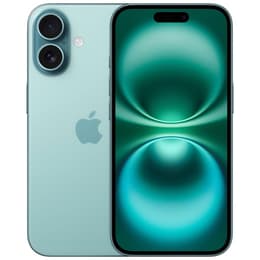
iPhone 16
Starting at

Refurbished price:£487.00

Versus £799.00 new

See options
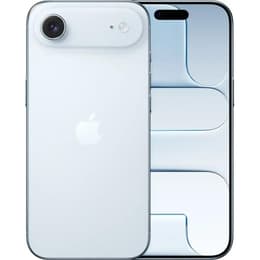
iPhone Air
Starting at

Refurbished price:£640.00

Versus £1,099.00 new

See options

Differences at a glance

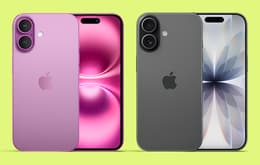
The iPhone 16 (2024) and the iPhone Air (2025) represent two distinct philosophies within modern smartphone design. While the iPhone 16 focuses on a compact, traditional form factor with robust everyday capabilities, the iPhone Air prioritizes an ultra-slim profile and a larger display. Both devices run on iOS and support modern software ecosystems, but their physical differences create unique user experiences.

Choosing between them ultimately comes down to whether you prefer a traditional pocket-friendly build or an experimental, lightweight chassis.

Available Models

Colour

Storage (GB)

Scores

Durability

Both smartphones benefit from long-term software support and durable build materials, though their release timelines and physical designs create different longevity expectations.

  • Software support duration: Both models receive multi-year operating system upgrades, with the newer iPhone Air extending its active support window slightly further into the future.
  • Build durability: The iPhone 16 utilizes a sturdy aluminum frame and glass back, while the iPhone Air achieves its ultra-thin profile through specialized engineering that requires careful handling during drops.
  • Expected practical lifespan: Both devices maintain strong battery health management features, ensuring reliable daily performance across several years of ownership.

Year of Release

2024

2025

Performance

Under everyday conditions, both devices deliver responsive navigation, smooth app switching, and efficient multitasking capabilities for modern mobile workflows.

  • System responsiveness: Both models load demanding apps quickly and handle intensive multitasking without noticeable stutter or lag.
  • Battery behavior: The iPhone 16 provides balanced daily endurance, whereas the slimmer chassis of the iPhone Air limits total battery capacity, resulting in different charging habits for heavy users.
  • Storage and memory: Both devices offer ample memory configurations to support advanced on-device processing features and smooth background app management.

Screen quality

Visual immersion and display technology differ notably between the two models, primarily driven by physical size and panel architecture.

  • Display technology: Both devices feature vibrant OLED panels that deliver deep blacks and crisp text, though the iPhone Air incorporates a larger viewing area.
  • Outdoor visibility: High peak brightness levels on both screens ensure content remains legible under direct sunlight.
  • Refresh rate and smoothness: The iPhone Air offers a high refresh rate display for fluid scrolling, while the iPhone 16 utilizes a standard refresh rate configuration.

Audiovisual

Photography and media consumption capabilities vary based on the specific lens configurations and speaker setups integrated into each chassis.

  • Camera versatility: The iPhone 16 features a dual-camera system for standard and wide-angle shooting, while the iPhone Air streamlines its rear setup to a single high-resolution lens.
  • Low-light performance: Both models utilize advanced image processing to capture clear details in dim environments.
  • Media and audio output: The iPhone 16 features stereo sound output, whereas the ultra-thin iPhone Air employs a mono speaker design geared toward minimalist construction.

Miscellaneous

Practical daily usability elements, such as connectivity standards and physical handling characteristics, distinguish the two devices further.

  • Connectivity standards: Both devices support fast 5G networks, modern Wi-Fi protocols, and secure contactless transaction capabilities.
  • Physical handling: The iPhone 16 provides a traditional, secure grip in one hand, while the iPhone Air focuses on an exceptionally light and thin profile that reduces pocket bulk.
  • Security features: Both models rely on facial recognition technology for secure authentication and device unlocking.

Screen size (in)

6.1

6.5

Mobile network

5G

5G

SIM card

Physical SIM + eSIM

eSIM

Carrier compatibility

Unlocked

Unlocked

Connector

USB-C (USB 2)

USB-C

What the community thinks

User feedback highlights distinct preferences for each device across online communities. Owners of the iPhone 16 frequently praise its comfortable one-handed usability, reliable daily battery endurance, and traditional speaker setup. At the same time, some users note that its display refresh rate feels standard compared to higher-tier models. Conversely, users drawn to the iPhone Air frequently highlight its striking lightweight feel and expansive screen estate, though reviewers often point out that the single rear camera and mono speaker involve functional compromises for its ultra-slim design.

Users who prioritize traditional ergonomics, stereo sound, and reliable everyday battery longevity will find the iPhone 16 well-suited to their needs. Meanwhile, users who value an ultra-lightweight build, a slim physical profile, and a larger viewing area may prefer the iPhone Air. When exploring these options, choosing a quality-assured refurbished option provides an eco-friendly alternative that supports sustainable technology consumption without sacrificing functional reliability.