
Compare models
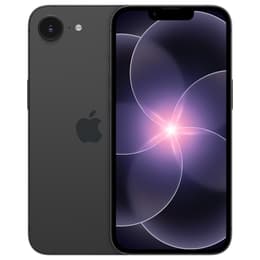
iPhone 16 Vs iPhone 17e
- 1-year minimum warranty
- Free delivery on all items
- Free 30-day returns
Differences at a glance
The iPhone 16 (2024) and the iPhone 17e (2026) represent two different approaches to Apple's smartphone lineup, balancing mainstream flagship features with streamlined entry-level options. While both run modern operating systems and share a similar 6.1-inch screen footprint, they differ significantly in their generation, camera configurations, and internal capabilities. Choosing between them depends on whether you prefer a versatile multi-lens camera system or a newer processor paired with higher baseline storage.
Available Models
Colour
Storage (GB)
Scores
Durability
Both devices offer robust hardware longevity, though their release timelines mean they span different points in Apple's software support lifecycle.
- Release timeline and support: The iPhone 16 launched in late 2024, whereas the iPhone 17e arrived in early 2026, granting the newer model a slightly extended window for future system updates.
- Repairability and durability: Both models feature water resistance ratings and durable glass construction, with standardized repair paths supported globally through authorized channels and quality-assured refurbished options.
- Expected lifespan: Thanks to powerful internal specifications in both models, users can expect several years of smooth daily operation and security updates.
Year of Release
2024
2026
Foldable
No
No
Performance
System responsiveness and day-to-day speed differ primarily through generational hardware improvements and available baseline capacities.
- Storage configurations: The iPhone 16 starts with foundational storage tiers, while the iPhone 17e provides larger capacity options right from the base tier to accommodate large media libraries and apps.
- Everyday multitasking: Both devices handle demanding applications, streaming, and switching between multiple open programs smoothly, though the newer processor in the iPhone 17e brings slight gains in energy efficiency.
- Battery behavior: The iPhone 17e benefits from a larger physical battery capacity, allowing users to navigate a full day of mixed usage comfortably without needing a mid-day recharge.
Screen quality
Visual output across both smartphones utilizes high-contrast OLED technology for sharp text and media consumption.
- Display technology: Both phones feature bright Super Retina XDR OLED panels that deliver deep blacks, accurate colors, and clear visibility under direct sunlight.
- Resolution and clarity: The panels offer comparable pixel densities, ensuring crisp text rendering for reading, web browsing, and document viewing.
- Viewing experience: Identical 6.1-inch screen sizes provide a comfortable middle ground for pocketability and immersive video playback.
Resolution
1179 x 2556
2532 x 1170
Audiovisual
Media creation capabilities represent one of the primary differentiators between these two models.
- Lens versatility: The iPhone 16 features a dual-camera system with an ultra-wide lens alongside the main sensor, whereas the iPhone 17e relies on a single high-resolution main camera setup.
- Video and audio: Both models support high-resolution video recording with stereo sound capture, making them reliable tools for casual home videos and video calls.
- Speaker output: Integrated stereo speakers deliver clear audio performance for hands-free calls, podcasts, and video streaming.
Front camera
12 megapixels
12 megapixels
Miscellaneous
Physical dimensions and connectivity standards vary slightly, influencing how each device feels in daily handling.
- Connectivity and ports: Both models support modern high-speed cellular networks, Wi-Fi standards, and use the universal USB-C standard for charging and data transfer.
- Physical handling: The iPhone 17e offers a slightly thinner and lighter chassis compared to the iPhone 16, which can affect one-handed comfort.
- Biometric security: Both devices utilize secure facial recognition hardware housed within the display area for unlocking the phone and authenticating payments.
Weight
170 g
169 g
Screen size (in)
6.1
6.1
Mobile network
5G
5G
SIM card
Physical SIM + eSIM
eSIM
Carrier compatibility
Unlocked
Unlocked
Connector
USB-C (USB 2)
USB-C (USB 2)
What the community thinks
User feedback from online communities highlights distinct preferences for each device based on practical everyday needs. Owners of the iPhone 16 frequently praise its flexible multi-lens camera system and reliable build, making it a well-rounded tool for photography enthusiasts. Conversely, users favor the iPhone 17e for its extended battery endurance, generous baseline storage, and responsive performance powered by a newer internal architecture.
Users prioritizing camera versatility and ultra-wide shooting angles may prefer the iPhone 16, while users prioritizing battery longevity and higher storage capacity right from the start will lean toward the iPhone 17e. For those exploring sustainable choices, selecting a quality-assured refurbished option provides a reliable way to access these features while reducing electronic waste. Ultimately, your choice should rest on whether lens versatility or modern energy efficiency matters more to your daily routine.