
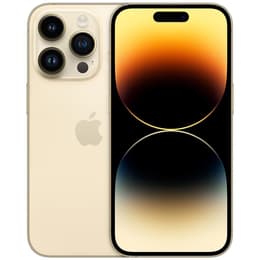

Google Pixel 7 Vs iPhone 14 Pro

Google Pixel 7
Google Pixel 7
Starting at

Refurbished price:£140.99

Versus £649.99 new

See options
iPhone 14 Pro
iPhone 14 Pro
Starting at

Refurbished price:£304.00

Versus £1,099.00 new

See options

Ratings

The Google Pixel 7 and the iPhone 14 Pro, both released in late 2022, represent the pinnacle of their respective ecosystems at the time of launch. While the Pixel 7 offers a streamlined, software-focused Android experience, the iPhone 14 Pro introduces significant hardware shifts like the Dynamic Island and a high-performance display. These smartphones cater to different user needs, with the Pixel focusing on helpful daily features and the iPhone prioritising professional-grade tools and deep integration with the iOS environment. Both devices remain highly relevant for users seeking modern features in a reliable form factor.

Scores

Durability

The longevity of a smartphone is determined by its physical build quality and the duration of software support provided by the manufacturer to keep the device secure and functional.

  • Software support timelines: The iPhone 14 Pro typically benefits from Apple's long-term update policy, often receiving major operating system updates for six to seven years from its release date. The Google Pixel 7 was launched with a commitment to three years of major Android updates and five years of security patches, ensuring it remains functional and secure for a significant period of time.
  • Physical resilience and repair: Both devices feature high-grade glass and metal constructions with an IP68 rating for dust and water resistance. While the iPhone uses a stainless steel frame for added rigidity, the Pixel utilises a recycled aluminium housing. Both manufacturers have made strides in repairability, offering official parts and guides to help extend the practical lifespan of the hardware through professional or self-repair options.

Year of Release

2022

2022

Compatible with latest Update

Yes

Yes

OS

Android

iOS

Foldable

No

No

Performance

Daily performance is defined by how quickly applications load, how smoothly the interface responds to touch, and how well the device manages multiple tasks simultaneously without slowing down.

  • System responsiveness: The iPhone 14 Pro provides a fluid experience even during intensive tasks like high-resolution video editing or complex mobile gaming, thanks to its highly efficient internal architecture. The Pixel 7 focuses on intelligent performance, excelling at real-time translation, voice-to-text accuracy, and background optimisations that adapt to user habits over time.
  • Battery and multitasking: Users will find that both devices comfortably last through a standard day of mixed usage involving web browsing, social media, and navigation. The iPhone is particularly efficient during standby periods, while the Pixel 7 manages power effectively during active use. Opting for a quality-assured refurbished option ensures that the battery and internal components have been tested to meet high functional standards for multitasking.

Memory (GB)

8 GB

6 GB

Screen quality

The display is the primary interface for any smartphone, and these two models offer distinct technologies that change the viewing experience for media and daily navigation.

  • Display technology and smoothness: The iPhone 14 Pro features an adaptive refresh rate that can reach 120Hz, providing exceptionally smooth scrolling and animations that adjust based on the content. The Pixel 7 uses a 90Hz display, which is noticeably smoother than standard screens and offers vibrant colours and deep blacks characteristic of high-quality OLED panels.
  • Visibility and interaction: For outdoor use, the iPhone 14 Pro offers a very high peak brightness, making the screen legible even in direct sunlight. It also features an always-on display and the Dynamic Island, which transforms the camera cutout into a functional interface. The Pixel 7 provides a clear, flat display that many users find easier to protect with screen protectors and more comfortable for typing.

Resolution

1080 x 2400

1179 x 2556

Screen type

AMOLED

LTPO Super Retina XDR OLED

Audiovisual

Camera performance is often the deciding factor for many users, with both devices taking different approaches to photography and media consumption.

  • Photography and zoom: The iPhone 14 Pro includes a dedicated telephoto lens, allowing for clear zoomed-in shots, alongside a high-resolution main sensor that captures intricate detail. The Pixel 7 relies on a dual-camera system but uses advanced software processing to produce natural skin tones and impressive low-light images that rival many triple-camera setups.
  • Video and audio capture: Video recording on the iPhone 14 Pro is widely regarded for its stability and professional features, such as the ability to shift focus after filming. The Pixel 7 offers excellent video stabilisation and clear microphone pick-up, with software features that help reduce background noise during calls or recordings, making it a reliable tool for communication and content creation.

Main camera

50 megapixels

48 megapixels

Front camera

10.8 megapixels

12 megapixels

Miscellaneous

Beyond the core specifications, the physical handling, connectivity, and biometric security of these devices influence how they feel and function in everyday life.

  • Connectivity and ports: The Pixel 7 uses the widely compatible USB-C port for charging and data transfer, while the iPhone 14 Pro utilises the Lightning connector. Both support 5G connectivity and modern Wi-Fi standards, ensuring fast internet speeds and reliable connections to wireless accessories like headphones and smartwatches.
  • Biometrics and ergonomics: The iPhone 14 Pro uses facial recognition for secure unlocking, which is integrated into the Dynamic Island. The Pixel 7 offers both an under-display fingerprint sensor and a face unlock feature, giving users more flexibility. In terms of handling, the Pixel 7 is slightly larger but uses lighter materials, whereas the iPhone 14 Pro feels more substantial due to its stainless steel construction.

Weight

197 g

206 g

Screen size (in)

6.3

6.1

Mobile network

5G

5G

SIM card

Physical SIM + eSIM

Physical SIM + eSIM

Carrier compatibility

Unlocked

Unlocked

User consensus on the Google Pixel 7 often highlights its exceptional smart features, such as its ability to screen spam calls and its intuitive photo editing tools like Magic Eraser. Many users appreciate the clean interface and the natural look of its photography. However, some feedback points toward a slower fingerprint sensor compared to other flagship models. On the other hand, the iPhone 14 Pro is frequently praised for its consistent performance, the utility of the Dynamic Island, and its reliable video capabilities. Some users find the device's weight to be a drawback during long periods of handheld use.

Users who prioritise a customisable software experience and helpful AI-driven features may find the Google Pixel 7 to be the more suitable choice for their daily routine. Conversely, those who require a dedicated zoom lens, professional video tools, and a high-refresh-rate display will likely lean toward the iPhone 14 Pro. Both devices represent significant achievements in mobile technology and offer a premium experience. Choosing a sustainable choice through refurbishment ensures these high-quality devices continue to provide value while reducing environmental impact. Ultimately, the decision rests on whether a user prefers the integrated ecosystem of iOS or the flexible, intelligent nature of the Pixel's Android experience.

See all articles

Our recent comparisons