
iPhone 14 Pro Vs iPhone 16 Pro

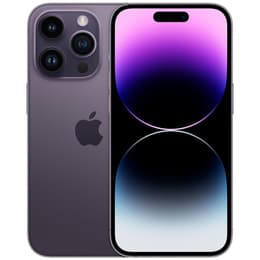
iPhone 14 Pro
iPhone 14 Pro
Starting at

Refurbished price:£304.00

Versus £1,099.00 new

See options
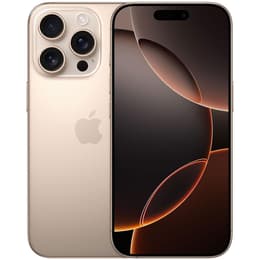
iPhone 16 Pro
iPhone 16 Pro
Starting at

Refurbished price:£564.00

Versus £999.00 new

See options

Ratings

The iPhone 14 Pro (2022) and the iPhone 16 Pro (2024) represent two significant milestones in the evolution of Apple's professional smartphone lineup. While both devices share the core iOS experience and the distinctive Dynamic Island interface, the iPhone 16 Pro introduces a larger display, a shift in build materials, and a transition to universal charging standards. Both models run the latest version of iOS, though the newer hardware enables more advanced integrated features, distinguishing the newer model from its predecessor's more traditional design language.

Scores

Durability

The two-year gap between these models influences their long-term software support and physical resilience.

  • Software Longevity: Users can expect the iPhone 16 Pro to remain compatible with new apps and features for approximately two years longer than the 14 Pro, making it a more future-ready choice for long-term owners.
  • Material Strength: The iPhone 14 Pro features a stainless steel frame known for its density and scratch resistance, while the iPhone 16 Pro utilises a titanium alloy that offers high strength with a lighter overall weight.
  • Repairability: Recent internal design improvements in the newer model make components like the battery and rear glass more accessible for technicians, which can simplify maintenance over time. Choosing a quality-assured refurbished option can further extend the lifecycle of these robust devices.

Year of Release

2022

2024

Compatible with latest Update

Yes

Yes

Foldable

No

No

Performance

While the iPhone 14 Pro remains a powerful tool for everyday multitasking, the iPhone 16 Pro offers more performance headroom for intensive tasks like high-resolution video editing and advanced mobile gaming.

  • System Responsiveness: The iPhone 16 Pro features updated internal architecture that allows for faster app launches and smoother performance when running complex, AI-driven applications that may feel more taxing on older hardware.
  • Battery Behaviour: Improvements in internal power management and a slightly larger physical battery allow the iPhone 16 Pro to last longer during continuous media playback compared to the 14 Pro.
  • Multitasking Capabilities: With increased memory capacity, the iPhone 16 Pro can keep more applications active in the background, reducing the frequency of app refreshes when switching between tasks.

Memory (GB)

6 GB

8 GB

Screen quality

The display technology in both models is centred around high-quality OLED panels, but the iPhone 16 Pro offers a more immersive viewing area through physical design changes.

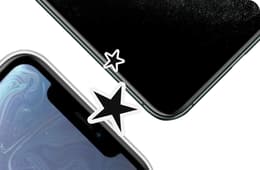
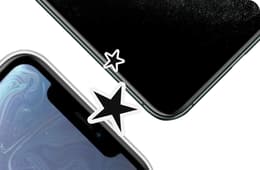
  • Display Size and Borders: The iPhone 16 Pro moves to a 6.3-inch screen, up from the 6.1-inch display on the 14 Pro, achieved by significantly narrowing the black edges around the panel.
  • Outdoor Visibility: While both screens provide excellent clarity, the iPhone 16 Pro can reach higher peak brightness levels, making it easier to read text or view photos under direct sunlight.
  • Motion Smoothness: Both devices utilise adaptive refresh rate technology, which adjusts the screen's movement up to 120Hz to ensure that scrolling and animations appear fluid and responsive.

Resolution

1179 x 2556

1206 x 2622

Screen type

LTPO Super Retina XDR OLED

LTPO Super Retina XDR OLED

Audiovisual

Both devices feature a versatile triple-lens system and high-quality audio recording, but the newer model focuses on improving detail in wide shots and extending the reach of the zoom lens.

  • Optical Zoom Range: The iPhone 14 Pro is equipped with a 3x optical zoom, whereas the iPhone 16 Pro adopts a 5x zoom system, allowing users to capture much clearer photos of distant subjects without losing detail.
  • Ultra-Wide Clarity: The ultra-wide camera on the iPhone 16 Pro has been upgraded with a higher-resolution sensor, resulting in sharper landscape photos and more detailed macro photography for close-up shots.
  • Media and Recording: The iPhone 16 Pro supports higher frame rates for 4K recording and features improved microphone arrays for more immersive audio capture during video sessions and calls.

Main camera

48 megapixels

48 megapixels

Front camera

12 megapixels

12 megapixels

Miscellaneous

Practical differences in physical interaction affect how users charge their devices and how they quickly access their favourite software features.

  • Charging and Connectivity: The iPhone 14 Pro uses the proprietary Lightning port, while the iPhone 16 Pro has transitioned to USB-C, allowing for more universal cable compatibility with laptops and other electronics.
  • Physical Controls: The iPhone 16 Pro replaces the traditional mute switch with a customisable Action Button and adds a dedicated Camera Control sensor for adjusting photographic settings with a slide of a finger.
  • Weight and Handling: Despite its larger screen, the iPhone 16 Pro is slightly lighter than the 14 Pro due to the use of titanium, which may be preferable for users who find stainless steel devices heavy during prolonged use.

Weight

206 g

199 g

Screen size (in)

6.1

6.3

Mobile network

5G

5G

SIM card

Physical SIM + eSIM

Physical SIM + eSIM

Carrier compatibility

Unlocked

Unlocked

Connector

Lightning

USB-C (USB 3)

User consensus highlights the iPhone 14 Pro as a reliable device that many still appreciate for its classic stainless steel feel and compact 6.1-inch form factor. However, some users note that the Lightning port is becoming an inconvenience as more accessories move to USB-C. Conversely, the iPhone 16 Pro is praised for its 5x zoom and the new Camera Control button, though some find the slight increase in device height a trade-off for the larger screen.

Users who prioritise a tried-and-tested design with a more substantial feel may find the iPhone 14 Pro suits their needs. Those who frequently take photos from a distance or prefer the convenience of a single charging cable will likely lean toward the iPhone 16 Pro. For individuals seeking the latest physical interface features like the Action Button, the newer model provides a more modern interaction style.

Ultimately, both smartphones offer a high-end experience with long-term software support. Opting for an eco-friendly alternative through refurbishment supports a more circular electronics economy while providing a quality-assured device. Whether choosing the classic 14 Pro or the more expansive 16 Pro, users are selecting a device capable of handling modern mobile demands with ease.
See all articles

Our recent comparisons