iPhone 14 Pro Vs iPhone 17

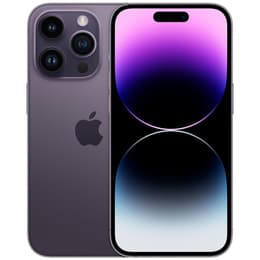
iPhone 14 Pro
iPhone 14 Pro
Starting at

Refurbished price:£304.00

Versus £1,099.00 new

See options
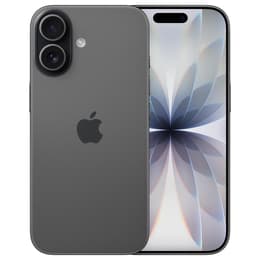
iPhone 17
iPhone 17
Starting at

Refurbished price:£689.00

Versus £799.00 new

See options

Ratings

The iPhone 14 Pro, released in 2022, and the iPhone 17, arriving in 2025, represent two distinct approaches to the smartphone experience. While the iPhone 14 Pro was designed as a high-end professional-grade device, the iPhone 17 serves as the modern standard model, incorporating several features previously reserved for the Pro line. Both devices operate on Apple’s iOS, ensuring a consistent user interface and access to the same ecosystem of applications. The primary decision for users involves choosing between the specialized hardware of an older flagship and the modern refinements of a newer standard release.

Scores

Durability

The age gap between these two devices significantly impacts their expected lifespan and software support duration.

  • Software Longevity: The iPhone 17 will receive iOS updates and security patches much further into the future due to its later release. Users can expect the iPhone 17 to remain compatible with the latest apps and features for several additional years compared to its predecessor.
  • Build Materials: The iPhone 14 Pro features a stainless steel frame, which provides a heavy and sturdy feel, whereas the iPhone 17 utilises a lighter aluminium chassis. While both are durable, the stainless steel is more resistant to significant structural bending, though the aluminium is often preferred by those who want a lighter device.
  • Sustainability: Choosing a quality-assured refurbished option for the iPhone 14 Pro is an effective way to extend the life of existing hardware, making it a sustainable choice for environmentally conscious users.

Year of Release

2022

2025

Compatible with latest Update

Yes

Yes

OS

iOS

iOS

Foldable

No

No

Performance

In daily use, both devices handle multitasking and demanding applications with ease, though the newer hardware in the iPhone 17 offers distinct advantages.

  • System Responsiveness: The iPhone 17 benefits from more recent internal hardware that manages power more efficiently. This results in faster app loading times and a smoother experience when editing high-resolution video or playing modern mobile games compared to the older iPhone 14 Pro.
  • Battery Efficiency: While the iPhone 14 Pro was praised for its battery life at launch, the iPhone 17 uses more advanced components that consume less energy during routine tasks. This allows the newer model to maintain a full day of use more comfortably, even as apps become more demanding over time.
  • Multitasking Capabilities: Both phones offer sufficient memory for switching between multiple open apps, but the iPhone 17 is better equipped to handle the increased memory requirements of future software updates without slowing down.

Memory (GB)

6 GB

8 GB

Screen quality

The display technology on both devices ensures a clear and fluid visual experience, though they differ in specific features.

  • Refresh Rate: Both the iPhone 14 Pro and the iPhone 17 feature high refresh rate technology, which makes scrolling through menus and animations appear exceptionally smooth. This was once a Pro-only feature, but its inclusion in the iPhone 17 standardises this fluid experience for more users.
  • Outdoor Visibility: The iPhone 14 Pro was designed with a very high peak brightness to ensure the screen remains legible under direct sunlight. The iPhone 17 matches this capability, providing a clear view of maps or messages even in bright outdoor environments.
  • Always-On Functionality: A key differentiator is the Always-On display found on the iPhone 14 Pro, which allows users to see the time and notifications without waking the device. The standard iPhone 17 typically lacks this specific feature, requiring a tap to view the lock screen.

Resolution

1179 x 2556

2622x1206

Screen type

LTPO Super Retina XDR OLED

Super Retina XDR

Audiovisual

Photography and video recording are areas where the Pro heritage of the older model competes with the modern processing of the newer one.

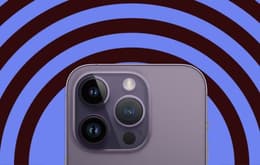
  • Camera Versatility: The iPhone 14 Pro includes a dedicated telephoto lens, allowing for high-quality optical zoom when capturing distant subjects. The iPhone 17 relies on a dual-camera system, which lacks a separate zoom lens but uses high-resolution sensors to crop into images with minimal detail loss.
  • Image Processing: The iPhone 17 features more advanced software algorithms for processing photos, which can result in better balanced highlights and shadows in tricky lighting conditions. This helps the newer model produce natural-looking images that require less manual adjustment.
  • Video Capabilities: Both devices support high-quality video recording with stabilisation that mimics professional camera equipment. The iPhone 14 Pro offers specialized formats for professional editing, while the iPhone 17 focuses on providing the best possible point-and-shoot video quality.

Main camera

48 megapixels

48 megapixels

Front camera

12 megapixels

18 megapixels

Miscellaneous

Practical differences in physical design and connectivity will influence how these devices fit into a user's daily routine.

  • Connectivity Standards: The iPhone 17 utilises a universal USB-C port for charging and data transfer, which is compatible with most modern laptops and tablets. In contrast, the iPhone 14 Pro uses the older Lightning connector, which may require different cables if you are transitioning from newer electronics.
  • Weight and Handling: Due to its stainless steel construction, the iPhone 14 Pro is noticeably heavier than the aluminium iPhone 17. Users who prefer a lightweight device for one-handed use may find the iPhone 17 more comfortable during long periods of browsing or texting.
  • Biometric Security: Both smartphones use facial recognition technology for secure unlocking and payments. This system is fast and reliable on both models, though the iPhone 17 features a slightly more refined sensor array that can be more forgiving with different viewing angles.

Weight

206 g

177 g

Screen size (in)

6.1

6.3

Mobile network

5G

5G

SIM card

Physical SIM + eSIM

Physical SIM + eSIM

Carrier compatibility

Unlocked

Unlocked

Connector

Lightning

USB-C

User consensus from various technology forums and community discussions highlights a clear divide in priorities between these two models. The iPhone 14 Pro is frequently praised for its robust build and the versatility of its triple-camera system, particularly the zoom lens which remains a favourite for photography enthusiasts. However, some users note that its weight can be tiring over time and the Lightning port is becoming less convenient as other devices move toward universal standards. On the other hand, the iPhone 17 receives positive feedback for its lightweight design and the inclusion of the USB-C port, which simplifies the charging process for many. Some long-term users express that while it lacks the dedicated zoom lens of the Pro, the improved software processing makes it a more reliable camera for everyday snapshots.

Users who prioritise professional-grade photography tools and a substantial, heavy-duty feel in their hand may find the iPhone 14 Pro better suited to their needs. Conversely, users who value the latest software longevity, a lighter device for travel, and the convenience of modern charging standards will likely lean toward the iPhone 17. For those seeking a balance between high-end features and environmental responsibility, a quality-assured refurbished iPhone 14 Pro offers a compelling way to access Pro-level hardware. Both devices provide a high-quality experience tailored to different user preferences and daily requirements.


See all articles

Our recent comparisons