Compare models
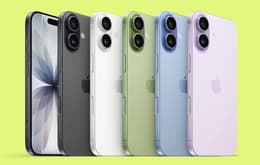
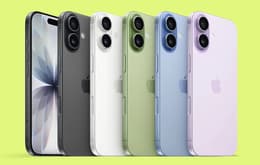
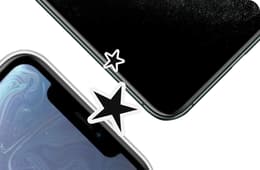
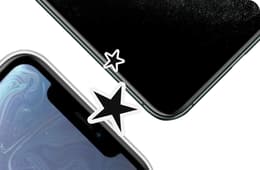
iPhone 15 Pro Vs iPhone 17
- 1-year minimum warranty
- Free delivery on all items
- Free 30-day returns
Differences at a glance
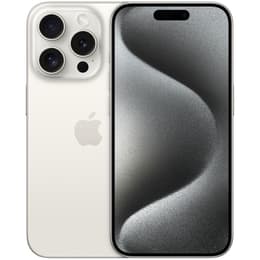
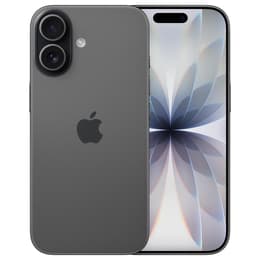
The iPhone 15 Pro, released in September 2023, and the iPhone 17, launched in September 2025, represent different generations of Apple's premium smartphone offerings. While both devices operate on Apple's iOS platform, the iPhone 17 introduces advancements in processing power, camera capabilities, and display technology, building upon the solid foundation established by the 15 Pro.
Available Models
Colour
Storage (GB)
Scores
Durability
When considering the practical lifespan of these devices, several factors come into play, including software support, physical durability, and ease of repair.
- Release Timeline: The iPhone 15 Pro was released in September 2023, while the iPhone 17 followed in September 2025. This two-year difference means the iPhone 17 benefits from a longer period of guaranteed software updates and security patches.
- Software Longevity: Apple typically provides major iOS updates for approximately 5 to 7 years from a device's release. The iPhone 15 Pro, having launched with iOS 17, is expected to receive updates until around 2035. The iPhone 17, launching with iOS 19, is anticipated to receive updates until approximately 2037, offering a longer window for new features and security enhancements.
- Repairability: Both models are designed with a focus on durability, featuring Ceramic Shield front covers and water resistance. The iPhone 15 Pro utilizes a titanium frame, known for its strength-to-weight ratio. The iPhone 17, while potentially featuring an aluminum frame, is noted for improved internal design for better heat dissipation and a repairability score of 7/10, similar to its predecessor, with easier battery removal and dual-entry design for screen replacement.
Year of Release
2023
2025
Compatible with latest Update
Yes
Yes
OS
iOS
iOS
Foldable
No
No
Performance
Performance is a key differentiator between generations, impacting everything from app responsiveness to demanding tasks like gaming and video editing.
- Processing Power: The iPhone 15 Pro is equipped with a powerful chip that ensures smooth operation for multitasking, gaming, and resource-intensive applications. The iPhone 17, featuring a newer generation chip, offers further improvements in raw processing power and energy efficiency, leading to a more responsive user experience, especially with future demanding applications and AI features.
- Storage Options: Both devices offer a range of internal storage capacities, typically starting from 128GB and extending up to 1TB, providing ample space for apps, photos, and videos.
- Multitasking and Responsiveness: The iPhone 15 Pro handles demanding apps and multitasking smoothly. The iPhone 17, with its enhanced processor and potentially increased RAM, is designed to offer even greater fluidity, particularly for advanced AI functionalities and more intensive multitasking scenarios.
Screen quality
The display is a primary interface for users, and both models offer high-quality viewing experiences with some generational enhancements.
- Display Technology: Both the iPhone 15 Pro and iPhone 17 feature Super Retina XDR OLED displays, known for deep blacks, vibrant colors, and excellent contrast.
- Refresh Rate and Smoothness: The iPhone 15 Pro includes ProMotion technology, offering adaptive refresh rates up to 120Hz for smooth scrolling and responsive interactions. The iPhone 17 continues this high refresh rate technology, with potential refinements for even greater efficiency and visual fluidity.
- Brightness and Clarity: Both displays offer high peak brightness levels, ensuring good visibility even in bright outdoor conditions. The iPhone 17 may feature further enhancements in brightness and a new anti-reflective coating for increased scratch resistance.
Resolution
1179 x 2556
2622x1206
Screen type
LTPO Super Retina XDR OLED
Super Retina XDR
Audiovisual
Camera systems are a significant focus for both iPhone generations, with continuous improvements in image and video capture.
- Rear Camera System: The iPhone 15 Pro features a versatile triple-camera system, including a 48MP main sensor, an ultrawide lens, and a telephoto lens, capable of capturing high-resolution photos and detailed videos. It offers multiple focal lengths and advanced computational photography features. The iPhone 17 is expected to build upon this with further sensor advancements, potentially including a 48MP telephoto camera and enhanced computational photography for improved low-light performance and detail.
- Front Camera: The iPhone 15 Pro includes a 12MP TrueDepth front camera. The iPhone 17 is anticipated to feature a significant upgrade to a 24MP front-facing camera, offering sharper selfies and clearer video calls.
- Video Capabilities: Both models support advanced video recording features, including 4K resolution at various frame rates and cinematic modes. The iPhone 15 Pro supports ProRes video, and the iPhone 17 is expected to continue offering professional-grade video capabilities, potentially with further enhancements in dynamic range and stability.
Main camera
48 megapixels
48 megapixels
Front camera
12 megapixels
18 megapixels
Miscellaneous
Beyond core specifications, several practical elements contribute to the overall user experience and device utility.
- Connectivity: Both devices support 5G cellular networks for fast mobile data. The iPhone 15 Pro features Wi-Fi 6E, while the iPhone 17 is expected to upgrade to Wi-Fi 7, offering faster and more efficient wireless connectivity.
- Ports and Biometrics: Both models utilize a USB-C port for charging and data transfer, replacing the older Lightning connector. They also feature the customizable Action Button and rely on Face ID for secure biometric authentication.
- Design and Materials: The iPhone 15 Pro features a lightweight titanium frame with a textured matte glass back. The iPhone 17 may see a design refresh, potentially incorporating an aluminum frame and a new anti-reflective coating on the display for enhanced durability.
Weight
187 g
177 g
Screen size (in)
6.1
6.3
Mobile network
5G
5G
SIM card
Physical SIM + eSIM
Physical SIM + eSIM
Carrier compatibility
Unlocked
Unlocked
Connector
USB-C
USB-C
What the community thinks
The iPhone 15 Pro and iPhone 17 both offer robust smartphone experiences, but cater to slightly different user priorities due to their generational differences. Users of the iPhone 15 Pro frequently praise its exceptional camera quality, responsive performance, and generally sufficient battery life for a full day's use. Some initial concerns about heating during intensive tasks were noted, though many users found the overall experience to be positive.
For those prioritizing the latest technological advancements and extended software support, the iPhone 17 presents a compelling option. Its newer processor promises enhanced performance for future applications and AI features, while anticipated camera upgrades and a longer update cycle contribute to a more future-proof device. Users who engage heavily with photography, demanding applications, or simply desire the longest possible lifespan from their device may find the iPhone 17 better suited to their needs.
Conversely, the iPhone 15 Pro remains a highly capable device for users who value a premium experience without needing the absolute latest generation. Its camera system is still excellent, performance is strong for most everyday and even demanding tasks, and its build quality is robust. Users who are content with current-generation performance and camera capabilities will find the iPhone 15 Pro to be a reliable choice.
Ultimately, the decision hinges on individual priorities. Users prioritizing cutting-edge performance, the latest camera innovations, and the longest possible software support window may prefer the iPhone 17. Those seeking a high-performance device with proven capabilities and a slightly earlier release date might lean towards the iPhone 15 Pro. Both models are available as quality-assured refurbished options, providing an eco-friendly alternative for consumers.