iPhone 16 Plus Vs iPhone 17

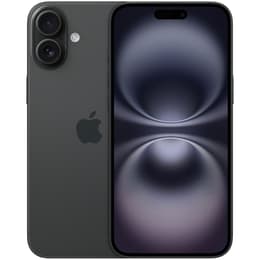
iPhone 16 Plus
iPhone 16 Plus
Starting at

Refurbished price:£502.00

Versus £799.00 new

See options
iPhone 17
iPhone 17
Starting at

Refurbished price:£689.00

Versus £799.00 new

See options

Ratings

The iPhone 16 Plus, released in late 2024, and the iPhone 17, launched in late 2025, represent two recent generations of Apple's smartphone lineup. While both devices operate on Apple's iOS platform and offer a premium user experience, the iPhone 17 introduces advancements in display technology, camera capabilities, and overall system responsiveness. This comparison will explore the practical differences between these two models to help users determine which device best aligns with their needs.

Scores

Durability

When considering the long-term usability of a smartphone, factors like software support and physical resilience are key. The iPhone 16 Plus and iPhone 17 both offer robust build quality and benefit from Apple's extended software update policy, ensuring several years of current iOS features and security patches.

  • Software Longevity: The iPhone 17, being the newer model, is expected to receive major iOS updates for approximately one year longer than the iPhone 16 Plus, extending its functional lifespan for users who prioritize the latest software features.
  • Physical Durability: Both devices feature an IP68 rating for water and dust resistance, capable of submersion in up to 6 meters of water for 30 minutes. The iPhone 17 introduces Ceramic Shield 2, offering enhanced scratch resistance compared to the Ceramic Shield on the iPhone 16 Plus.
  • Repairability: Apple generally designs its devices with a focus on durability, and while specific repairability scores can vary, both models are built with high-quality materials. The availability of parts and service for both devices is expected to be good for several years, especially when considering quality-assured refurbished options.

Year of Release

2024

2025

Compatible with latest Update

Yes

Yes

Foldable

No

No

Performance

Both the iPhone 16 Plus and iPhone 17 deliver strong performance for daily tasks and demanding applications, though the newer model offers a generational leap in processing power and efficiency.

  • Processing Power: The iPhone 17 features a newer generation processor, providing faster app loading times, smoother multitasking, and more efficient handling of graphically intensive games and augmented reality experiences compared to the iPhone 16 Plus.
  • System Responsiveness: Users will find both devices highly responsive, but the iPhone 17's updated internal components contribute to a slightly more fluid overall user interface and quicker execution of complex operations. The iPhone 16 Plus, with its capable processor and 8GB of RAM, still handles most tasks with ease.
  • Storage Options: The iPhone 16 Plus is available with storage capacities up to 512GB, while the iPhone 17 typically starts at 256GB and also offers a 512GB option, catering to users with varying storage needs for apps, photos, and videos.

Memory (GB)

8 GB

8 GB

Screen quality

The visual experience on both the iPhone 16 Plus and iPhone 17 is vibrant and clear, thanks to their Super Retina XDR OLED displays, but the iPhone 17 brings notable enhancements in display technology.

  • Display Technology: Both phones utilize OLED technology, offering deep blacks and excellent contrast. The iPhone 16 Plus features a 6.7-inch display, while the iPhone 17 has a slightly smaller 6.3-inch display, but with reduced bezels for an immersive viewing experience.
  • Refresh Rate and Brightness: A key differentiator is the iPhone 17's ProMotion technology, which provides an adaptive refresh rate up to 120Hz for smoother scrolling and more fluid animations, a feature not present on the iPhone 16 Plus's 60Hz display. The iPhone 17 also boasts a higher peak outdoor brightness of 3000 nits, compared to the iPhone 16 Plus's 2000 nits, improving visibility in bright sunlight.
  • Additional Display Features: The iPhone 17 includes an Always-On display, allowing users to see glanceable information without fully waking the screen, a feature absent from the iPhone 16 Plus.

Resolution

1290 x 2796

2622x1206

Screen type

Super Retina XDR OLED

Super Retina XDR

Audiovisual

Both the iPhone 16 Plus and iPhone 17 are equipped with advanced camera systems capable of capturing high-quality photos and videos, with the iPhone 17 introducing further refinements and higher resolution sensors.

  • Rear Camera System: The iPhone 16 Plus features a dual-camera system with a 48MP Fusion Main camera and a 12MP Ultra Wide camera. The iPhone 17 upgrades the Ultra Wide camera to a 48MP Fusion sensor, offering more detail and improved low-light performance for wider shots. Both support 2x optical quality telephoto zoom from the main sensor.
  • Front Camera and Video: The iPhone 17 significantly improves the front-facing camera, moving to an 18MP Center Stage camera compared to the 12MP front camera on the iPhone 16 Plus. This enhancement benefits selfies and video calls. Both devices offer 4K Dolby Vision video recording, with the iPhone 17 potentially offering more advanced video features.
  • Photography Features: Both models include features like Photographic Styles, Deep Fusion, and Smart HDR for enhanced image processing. The iPhone 17's upgraded sensors and processing capabilities contribute to overall better image quality, especially in challenging lighting conditions.

Main camera

48 megapixels

48 megapixels

Front camera

12 megapixels

18 megapixels

Miscellaneous

Beyond core specifications, several practical elements contribute to the overall user experience of the iPhone 16 Plus and iPhone 17, including connectivity, physical design, and security features.

  • Connectivity and Ports: Both devices support 5G cellular connectivity and feature a USB-C port for charging and data transfer. The iPhone 17 steps up its wireless capabilities with Bluetooth 6.0, an upgrade from the Bluetooth 5.3 found in the iPhone 16 Plus, offering potentially more stable and efficient wireless connections. Both support Wi-Fi 7.
  • Biometric Security: Both the iPhone 16 Plus and iPhone 17 rely on Face ID for secure facial recognition, providing a convenient and robust method for unlocking the device and authenticating purchases.
  • Design and Handling: The iPhone 16 Plus has a larger 6.7-inch display and measures 160.9mm x 77.8mm x 7.80mm, weighing 199g. The iPhone 17 is slightly more compact and lighter at 149.6mm x 71.5mm x 7.95mm and 177g, which may appeal to users preferring a smaller form factor for one-handed use.

Weight

199 g

177 g

Screen size (in)

6.7

6.3

Mobile network

5G

5G

SIM card

Physical SIM + eSIM

Physical SIM + eSIM

Carrier compatibility

Unlocked

Unlocked

Connector

USB-C (USB 2)

USB-C

The iPhone 16 Plus and iPhone 17 both offer compelling smartphone experiences, each catering to slightly different user priorities. Users often praise the iPhone 16 Plus for its larger display, which provides an expansive canvas for media consumption and productivity. Its battery life is also frequently highlighted as a strong point, offering extended usage throughout the day. Some users, however, note its 60Hz display as a drawback compared to devices with higher refresh rates.

The iPhone 17, on the other hand, receives acclaim for its significantly upgraded display, bringing ProMotion's adaptive 120Hz refresh rate and Always-On functionality to the standard model, features previously reserved for Pro variants. Its enhanced camera system, particularly the improved Ultra Wide and front-facing cameras, is also a common point of praise, along with its more compact design and improved scratch resistance. Some users might find the slightly smaller screen size a trade-off for these advancements.

Users prioritizing a larger screen and solid all-around performance may find the iPhone 16 Plus well-suited to their needs. Conversely, those who value the latest display technology, superior camera capabilities, and a more compact form factor will likely lean towards the iPhone 17. Both devices represent excellent choices, and opting for a quality-assured refurbished option can provide a sustainable choice for either model, extending their lifecycle and offering a smart way to access these advanced features.

See all articles

Our recent comparisons