iPhone 12 Vs Motorola Moto E13

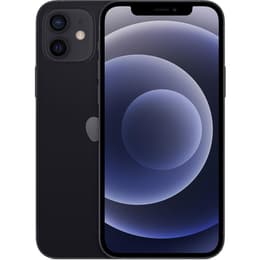
iPhone 12
iPhone 12
Starting at

Refurbished price:£139.00

Versus £649.00 new

See options
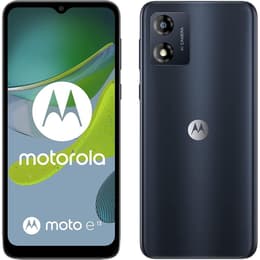
Motorola Moto E13
Motorola Moto E13
Starting at

Refurbished price:£74.00

Versus £83.99 new

See options

Ratings

The iPhone 12, released in October 2020, and the Motorola Moto E13, launched in January 2023, represent distinct approaches to smartphone design and functionality. While the iPhone 12 operates on Apple's iOS ecosystem, offering a premium experience with robust performance and an advanced camera system, the Moto E13 runs on Android 13 Go Edition, focusing on essential smartphone capabilities and extended battery life. These differences cater to varying user priorities, from seamless integration within a specific ecosystem to fundamental daily utility.

Scores

Durability

When considering the long-term usability of these devices, their release timelines and software support play a significant role.

  • Release Timeline: The iPhone 12 was released in October 2020, making it an older device compared to the Motorola Moto E13, which launched in January 2023. This age difference impacts the remaining period of official software updates and overall practical lifespan.
  • Software Longevity: The iPhone 12, originally running iOS 14, has received updates up to iOS 26 and is expected to continue receiving major iOS updates for a few more years, typically around 5-6 years from its release. The Moto E13, running Android 13 Go Edition, generally receives fewer major OS updates compared to premium devices, though it offers a clean Android experience.
  • Repairability: The iPhone 12 initially received a repairability score of 6 out of 10 from iFixit, but this was later lowered to 4 out of 10 due to Apple's parts pairing practices, which can complicate third-party repairs. The Motorola Moto E13 has a repairability score of 6.5 out of 10, with accessible battery components but more complex screen replacements.

Year of Release

2020

2023

Compatible with latest Update

Yes

No

OS

iOS

Android

Foldable

No

No

Performance

The performance of a smartphone is crucial for daily tasks, from browsing to running demanding applications.

  • Processing Power: The iPhone 12 features a powerful processor that delivers strong performance, handling demanding applications and multitasking smoothly. Users report a responsive experience, even with intensive games. The Moto E13 is equipped with a processor designed for essential tasks, performing adequately for everyday use but may experience lag when running multiple applications simultaneously or engaging in graphically intensive gaming.
  • Storage Options: The iPhone 12 was available with internal storage options of 64 GB, 128 GB, and 256 GB, without expandable storage. The Moto E13 typically offers 64 GB of internal storage, with some variants having 2 GB or 4 GB of RAM, and includes a microSD card slot for expandable storage up to 1 TB.
  • Battery Behavior: The iPhone 12's battery life is generally considered average, with heavy use, particularly with 5G connectivity, leading to more frequent charging. The Moto E13, with its larger battery capacity, often provides extended usage, with many users reporting it can last a full day or more on a single charge.

Memory (GB)

4 GB

2 GB

Screen quality

The display is a primary interface for smartphone interaction, and both devices offer different visual experiences.

  • Display Technology and Clarity: The iPhone 12 features a 6.1-inch Super Retina XDR OLED display, known for its vibrant colors, deep blacks, and high contrast, providing a clear and immersive viewing experience. The Moto E13 comes with a 6.5-inch IPS LCD display with HD+ resolution (720x1600 pixels), which offers decent clarity for general content consumption but is described as average compared to higher-resolution screens.
  • Brightness and Refresh Rate: Both devices feature a standard 60Hz refresh rate, which provides a smooth experience for typical scrolling and navigation. The iPhone 12's OLED panel generally offers higher peak brightness, contributing to better visibility in bright outdoor conditions.
  • Screen Size and Viewing: The iPhone 12's 6.1-inch display offers a compact yet expansive viewing area. The Moto E13's slightly larger 6.5-inch screen provides more screen real estate, which can be beneficial for media consumption and browsing.

Resolution

1170 x 2532

720 x 1600

Screen type

Super Retina XDR OLED

IPS LCD

Audiovisual

Camera capabilities are a key consideration for many users, and these devices offer different photographic strengths.

  • Rear Camera System: The iPhone 12 is equipped with a dual 12 MP camera system, including a wide and an ultrawide lens. It is recognized for its good picture quality, effective HDR processing, and a dedicated Night Mode for improved low-light photography. It also supports 4K video recording with Dolby Vision HDR. The Moto E13 features a single 13 MP rear camera. While it can capture decent details and color balance in good lighting conditions, its performance in low-light scenarios is less robust, and users have noted a slower camera launch and processing time.
  • Front Camera: For selfies, the iPhone 12 has a 12 MP front camera that supports advanced features like Night Mode and 4K video recording. The Moto E13 includes a 5 MP front camera, which is suitable for basic video calls and selfies in well-lit environments.
  • Audio Experience: The iPhone 12 provides stereo sound recording for videos and generally offers a balanced audio output for media consumption. The Moto E13 features a single speaker with Dolby Atmos support, aiming to provide a multidimensional sound experience, and includes a 3.5mm headphone jack.

Main camera

12 megapixels

13 megapixels

Front camera

12 megapixels

5 megapixels

Miscellaneous

Beyond core features, several practical elements contribute to the overall user experience.

  • Connectivity: The iPhone 12 supports 5G connectivity, offering faster mobile data speeds where available, alongside Wi-Fi and Bluetooth. The Moto E13 supports 4G LTE, dual-band Wi-Fi, and Bluetooth 5.0, but does not include 5G capabilities.
  • Ports and Sensors: The iPhone 12 uses Apple's proprietary Lightning port and features Face ID for secure authentication. The Moto E13 includes a USB-C 2.0 port and a 3.5mm headphone jack, offering broader compatibility with accessories. It relies on face unlock for security and lacks a fingerprint sensor.
  • Design and Build: The iPhone 12 features a flat-edged design with an aluminum frame and a Ceramic Shield front cover, contributing to its durability and a modern aesthetic. The Moto E13 has a plastic body with a water-repellent design (IP52 rating), offering protection against splashes and light rain. The iPhone 12 is also slightly lighter and more compact than the Moto E13.

Weight

164 g

181 g

Screen size (in)

6.1

6.5

Mobile network

5G

4G

SIM card

Physical SIM + eSIM

Dual Physical SIM

Carrier compatibility

Unlocked

Unlocked

The iPhone 12 and Motorola Moto E13 cater to different user needs and preferences, each with its own set of strengths and considerations. User feedback for the iPhone 12 often praises its continued speedy performance, the modern feel of its design, and the quality of its OLED display and camera system. However, common criticisms revolve around its average battery life, particularly when utilizing 5G, and some reports of overheating.

For the Motorola Moto E13, users frequently highlight its long battery life and its suitability for basic daily tasks. Conversely, its camera performance, characterized by slow operation and limited quality in challenging conditions, is a frequent point of concern, as is occasional system stuttering with multiple applications.

Users prioritizing a robust ecosystem, strong processing power for demanding applications, and advanced camera capabilities may find the iPhone 12 well-suited to their needs. Its premium display and consistent software updates offer a refined experience. Conversely, individuals seeking a device primarily for essential communication, web browsing, and media consumption, coupled with extended battery life and expandable storage, might lean towards the Motorola Moto E13. This device offers a straightforward Android experience without unnecessary complexities.

For those considering either model, exploring quality-assured refurbished options can provide an eco-friendly alternative, extending the life cycle of these devices and offering a sustainable choice for consumers.
See all articles

Our recent comparisons