iPhone 11 Vs iPhone 12 Pro

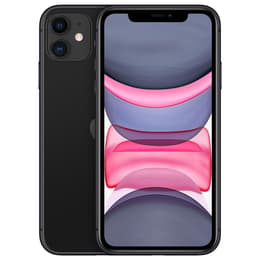
iPhone 11
iPhone 11
Starting at

Refurbished price:£124.00

Versus £489.00 new

See options
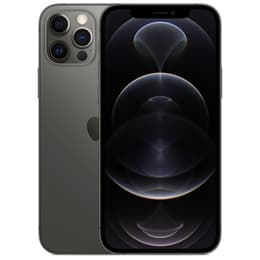
iPhone 12 Pro
iPhone 12 Pro
Starting at

Refurbished price:£205.00

Versus £879.00 new

See options

Ratings

The iPhone 11 (2019) and the iPhone 12 Pro (2020) represent two distinct generations of smartphone technology. While they share a similar footprint and the same core user interface, the iPhone 12 Pro offers a more advanced experience with its improved display and professional-grade camera features. Both devices run the same operating system, but the hardware differences mean they cater to different user needs in 2026. Understanding these distinctions is key to choosing the right device for your daily requirements.

Scores

Durability

When considering how long a device will remain functional, release dates and build quality are crucial. The iPhone 12 Pro, being a year newer than the iPhone 11, has a longer expected lifespan for software compatibility and hardware relevance in a modern market.

  • Software support: The iPhone 12 Pro is expected to receive official updates for at least one year longer than the iPhone 11, ensuring access to the latest security features for a greater duration.
  • Physical resilience: The iPhone 12 Pro introduced a Ceramic Shield front cover, providing better protection against drops compared to the standard glass used on the iPhone 11.
  • Repairability: Both devices have established repair networks, but the iPhone 11's older design means replacement parts are often more widely available for common fixes like screen replacements.

Year of Release

2019

2020

Compatible with latest Update

Yes

Yes

OS

iOS

iOS

Foldable

No

No

Performance

While both smartphones provide a fluid experience for daily activities, internal hardware differences become apparent during intensive multitasking. The iPhone 12 Pro benefits from a more efficient architecture and additional memory, allowing it to keep more applications open in the background.

  • System responsiveness: The iPhone 12 Pro handles demanding applications and high-resolution video editing with greater ease, whereas the iPhone 11 may show slight pauses when launching heavy software.
  • Connectivity: With support for 5G networks, the iPhone 12 Pro offers significantly faster mobile data speeds in supported areas compared to the 4G-only iPhone 11.
  • Multitasking: The increased memory in the Pro model ensures that switching between multiple open apps is smoother, reducing the frequency of apps restarting when you return to them.

Memory (GB)

4 GB

6 GB

Screen quality

The display technology is a significant jump between these generations, affecting battery consumption and visual clarity. The iPhone 11 uses a traditional liquid crystal display, while the iPhone 12 Pro moves to an organic light-emitting diode system.

  • Contrast: The iPhone 12 Pro features an OLED screen where each pixel produces its own light, allowing for true blacks, whereas the iPhone 11's LCD uses a backlight that can make dark scenes appear grey.
  • Clarity: With a higher pixel density, the iPhone 12 Pro provides sharper text and more detailed images, making it better for reading or viewing high-resolution photography.
  • Brightness: The iPhone 12 Pro reaches higher peak brightness levels, making the screen significantly easier to read when used directly under bright sunlight compared to the iPhone 11.

Resolution

828 x 1792

1170 x 2532

Screen type

Liquid Retina IPS LCD

Super Retina XDR OLED

Audiovisual

The camera systems cater to different levels of photographic interest. While the iPhone 11 captures excellent everyday photos, the iPhone 12 Pro introduces hardware that improves performance in challenging conditions and offers more creative tools.

  • Lens versatility: The iPhone 12 Pro includes a third telephoto lens for optical zooming, allowing you to get closer to subjects without losing detail, unlike the dual-lens system of the iPhone 11.
  • Low-light: Thanks to a specialized light-sensing scanner, the iPhone 12 Pro focuses faster in the dark and can take portrait photos in Night Mode, resulting in clearer evening shots.
  • Video: For those who record often, the iPhone 12 Pro supports a higher standard of colour recording, resulting in footage that looks more lifelike on compatible screens.

Main camera

12 megapixels

12 megapixels

Front camera

12 megapixels

12 megapixels

Miscellaneous

Practical daily use is defined by design and connectivity details. The transition from the iPhone 11 to the iPhone 12 Pro marked a shift in the physical feel and accessory interaction that impacts how you carry the device.

  • Design: The iPhone 11 features a curved-edge design, while the iPhone 12 Pro has a flat-edge aesthetic that is slimmer and more compact, despite having the same screen size.
  • Accessories: The iPhone 12 Pro includes magnets inside the back, enabling the use of MagSafe chargers that snap into place, a convenience not available on the iPhone 11.
  • Materials: The iPhone 12 Pro uses a stainless steel frame for a substantial feel, whereas the iPhone 11 uses a lighter aluminium frame, making it slightly easier to carry for long periods.

Weight

194 g

187 g

Width

7,57 cm

7.15 cm

Height

15,09 cm

14.67 cm

Depth

0,83 cm

0.74 cm

Screen size (in)

6.1

6.1

Mobile network

4G

5G

SIM card

Physical SIM + eSIM

Physical SIM + eSIM

Carrier compatibility

Unlocked

Unlocked

Connector

Lightning

Lightning

In summary, the choice between the iPhone 11 and the iPhone 12 Pro depends on how much you value display technology and mobile data speeds. Based on user discussions, the iPhone 11 remains a favourite for those who prefer a rounded design and reliable battery performance for everyday tasks like messaging. However, many users point out that the iPhone 12 Pro feels more modern due to its sharper OLED screen and the inclusion of 5G, which helps future-proof the phone as networks evolve.

Users who prioritise photography, especially in low light, or those who frequently watch high-quality video will find the iPhone 12 Pro to be the more suitable choice. Conversely, users who want a dependable smartphone for standard use and do not require the latest screen technology may find the iPhone 11 perfectly adequate. Choosing a quality-assured refurbished option is an excellent way to access these features while making a sustainable choice for the environment. Both devices remain capable in 2026, but the iPhone 12 Pro offers a more complete feature set for the modern mobile landscape.

See all articles

Our recent comparisons