iPhones
Compare models
Differences at a glance
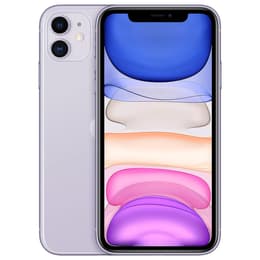
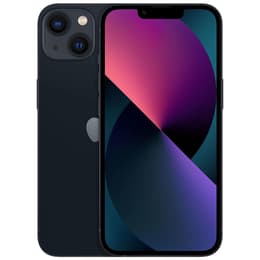
The iPhone 11, released in 2019, and the iPhone 13, launched in 2021, represent two significant milestones in the evolution of modern smartphones. While they share a similar user interface and the familiar ecosystem of their manufacturer, they sit on opposite sides of a major design and hardware transition. The iPhone 11 remains a popular choice for those seeking a reliable, rounded device, whereas the iPhone 13 introduces a more modern aesthetic and updated internal components.
The primary differences between these two models lie in their display technology, mobile network compatibility, and physical design. Both devices run the same operating system, ensuring a consistent software experience, though the newer model naturally benefits from hardware features that support more advanced software functions. This comparison explores how these differences impact daily use for different types of users.
Colour
Storage (GB)
When considering how long a device will remain functional and relevant, the two-year gap between these models plays a significant role in software support and physical resilience.
Year of Release
Compatible with latest Update
OS
Foldable
Performance is not just about speed; it is about how smoothly a device handles multitasking, demanding applications, and long-term battery health during a busy day.
The display is perhaps the most noticeable difference between these two generations, as the technology used to produce images underwent a major shift.
Resolution
Screen type
Both devices feature a dual-camera system on the rear, but the iPhone 13 benefits from larger sensors and more sophisticated image processing software.
Main camera
Front camera
Beyond the core specifications, several practical design choices and connectivity features distinguish these two smartphones in everyday handling.
Weight
Screen size (in)
Mobile network
SIM card
Carrier compatibility
Connector
In summary, the choice between the iPhone 11 and the iPhone 13 depends largely on how much a user values display technology and future-proof connectivity. Based on common user feedback from various forums, the iPhone 11 is often praised for its comfortable, rounded design and its ability to still handle everyday tasks reliably years after its release. However, some users note that its LCD screen and 4G-only connectivity are starting to feel dated in a world of high-contrast media and 5G speeds.
The iPhone 13 is frequently highlighted by users for its impressive battery life and the significant jump in screen quality provided by the OLED panel. While it lacks the high refresh rates found in more expensive models, the consensus is that it represents a very stable and modern experience for the average user. Users who prioritise photography, especially in low light, or those who want a device that will receive software updates for several more years, will find the iPhone 13 aligns better with their needs. Conversely, those who prefer a more traditional design and only require a phone for basic communication and browsing may find the iPhone 11 perfectly sufficient.
Choosing a quality-assured refurbished option for either of these models is an excellent way to access these technologies while making a sustainable choice. Ultimately, the iPhone 13 is the more capable and longer-lasting investment, while the iPhone 11 remains a practical, eco-friendly alternative for those with more modest requirements.