iPhone 13 Vs iPhone X

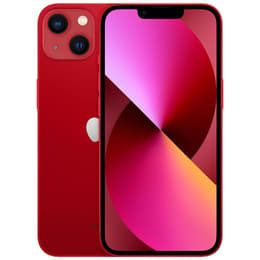
iPhone 13
iPhone 13
Starting at

Refurbished price:£180.00

Versus £599.00 new

See options
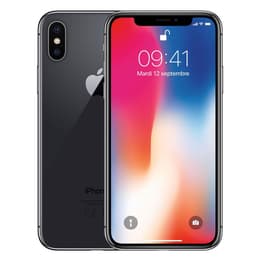
iPhone X
iPhone X
Starting at

Refurbished price:£87.00

Versus £449.00 new

See options

Ratings

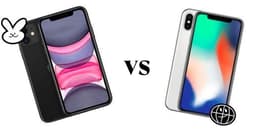
The iPhone X, released in November 2017, marked a significant design shift for Apple, introducing a full-screen display and Face ID. The iPhone 13, launched in September 2021, represents a more recent iteration, building upon core features with notable advancements in processing power, camera capabilities, and overall durability. Both devices operate on Apple's iOS platform, offering a consistent user experience, though the iPhone 13 benefits from a newer software foundation and extended support.

Scores

Durability

When considering the longevity of these two smartphones, their respective release dates play a crucial role in expected software support and practical lifespan.

  • Release Timeline: The iPhone X was released in late 2017, making it a considerably older device compared to the iPhone 13, which launched in late 2021. This age difference directly impacts how long each device will continue to receive major iOS updates.
  • OS Support and Software Longevity: The iPhone X originally shipped with iOS 11 and officially supports up to iOS 16, meaning it no longer receives the latest major operating system updates. In contrast, the iPhone 13 launched with iOS 15 and is expected to receive several more years of major software updates, extending its functional lifespan and access to new features and security enhancements.
  • Physical Durability: Both models feature glass front and back panels. The iPhone 13, however, incorporates a Ceramic Shield front cover, which offers enhanced drop performance compared to the iPhone X's glass. The iPhone 13 also boasts an IP68 rating for water and dust resistance, allowing submersion up to 6 meters for 30 minutes, while the iPhone X has an IP67 rating, protecting it in up to 1 meter of water for the same duration.

Year of Release

2021

2017

Compatible with latest Update

Yes

No

OS

iOS

iOS

Foldable

No

No

Performance

The performance capabilities of the iPhone X and iPhone 13 reflect the technological advancements made over several generations of Apple's chip development.

  • Processing Power: The iPhone X is powered by an A11 Bionic chip, featuring a 6-core CPU designed for efficient multitasking and app handling. The iPhone 13, on the other hand, integrates a significantly newer A15 Bionic chip, which includes a 6-core CPU, a 4-core GPU, and a 16-core Neural Engine. This newer chip provides a substantial boost in overall speed and efficiency.
  • System Responsiveness and Multitasking: Users will experience smoother app loading, more fluid transitions, and more capable handling of demanding applications on the iPhone 13 due to its more advanced processor and increased RAM (4 GB compared to the iPhone X's 3 GB). While the iPhone X remains capable for everyday tasks, the iPhone 13 offers a more responsive experience, especially with graphically intensive games or complex productivity apps.
  • Storage Options: The iPhone X was available with 64 GB or 256 GB of internal storage. The iPhone 13 offers more generous base storage, starting at 128 GB, with options for 256 GB and 512 GB, providing more space for apps, photos, and videos.

Memory (GB)

4 GB

3 GB

Screen quality

Both devices feature OLED displays, but the iPhone 13 introduces enhancements that improve the viewing experience.

  • Display Technology and Clarity: Both the iPhone X and iPhone 13 feature OLED Super Retina displays, offering deep blacks and vibrant colors. The iPhone X has a 5.8-inch display with a resolution of 2436x1125 pixels (458 ppi). The iPhone 13 has a slightly larger 6.1-inch Super Retina XDR display with a resolution of 2532x1170 pixels (460 ppi), providing a marginally sharper image.
  • Brightness Levels: The iPhone 13's display is brighter, with a typical maximum brightness of 800 nits and a peak HDR brightness of 1200 nits. The iPhone X has a typical maximum brightness of 625 nits. This difference means the iPhone 13 offers better visibility in bright outdoor conditions and a more impactful HDR viewing experience.
  • Additional Display Features: Both displays support True Tone and wide color (P3). The iPhone X includes 3D Touch, a pressure-sensing technology, which was replaced by Haptic Touch on the iPhone 13.

Resolution

1170 x 2532

1125 x 2436

Screen type

Super Retina XDR OLED

Super Retina OLED

Audiovisual

The camera systems on the iPhone X and iPhone 13 showcase significant generational improvements, particularly in computational photography and low-light performance.

  • Rear Camera System: The iPhone X features a dual 12 MP camera system with a wide (f/1.8) and a telephoto (f/2.4) lens, both with optical image stabilization. The iPhone 13 also has a dual 12 MP system, but it consists of a wide (f/1.6) lens with sensor-shift optical image stabilization and an ultrawide (f/2.4) lens. The iPhone 13's wider aperture and sensor-shift OIS on the main lens allow for better light capture and more stable shots, especially in challenging conditions.
  • Photography Features: The iPhone 13 introduces advanced features like Night mode, Deep Fusion, Smart HDR 4, and Photographic Styles, which are not available on the iPhone X. These features significantly enhance image quality, particularly in low light and high-contrast scenes. Both models offer Portrait Mode, but the iPhone 13 includes Focus and Depth Control for more refined results.
  • Video Recording: Both devices can record 4K video at up to 60 frames per second. However, the iPhone 13 adds Cinematic mode, which provides a shallow depth of field effect and automatic focus transitions for video, and supports HDR video recording with Dolby Vision. The front-facing camera on the iPhone 13 is a 12 MP TrueDepth camera, an upgrade from the iPhone X's 7 MP TrueDepth camera, offering improved detail and also supporting Night mode and Cinematic mode.

Main camera

12 megapixels

12 megapixels

Front camera

12 megapixels

7 megapixels

Miscellaneous

Beyond core specifications, several practical elements differentiate the user experience between the iPhone X and iPhone 13.

  • Connectivity: The iPhone X supports LTE for cellular data and Wi-Fi 802.11ac. The iPhone 13 offers more advanced connectivity, including 5G cellular capabilities for faster network speeds where available, and Wi-Fi 6 (802.11ax) for improved wireless performance. Both devices feature Bluetooth 5.0 and NFC.
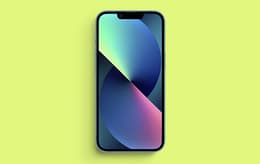
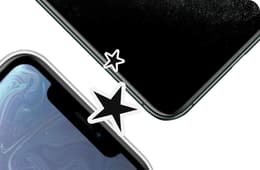
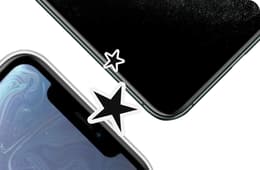
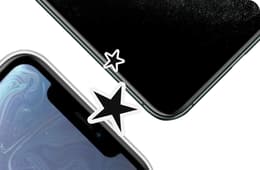
  • Physical Design and Handling: Both phones share a similar form factor and weight. The iPhone X measures 143.6 x 70.9 x 7.7 mm and weighs 174 grams. The iPhone 13 is slightly larger at 146.7 x 71.5 x 7.65 mm, with an identical weight of 174 grams. The iPhone 13 features a smaller notch at the top of the display compared to the iPhone X, providing a slightly larger usable screen area.
  • Charging and Ports: Both devices utilize the Lightning port for charging and data transfer. The iPhone 13 supports faster wired charging and MagSafe wireless charging, which is not available on the iPhone X. Both also support Qi wireless charging.

Weight

173 g

174 g

Screen size (in)

6.1

5.8

Mobile network

5G

4G

SIM card

Physical SIM + eSIM

Physical SIM

Carrier compatibility

Unlocked

Unlocked

Connector

Lightning

Lightning

The iPhone X and iPhone 13 cater to different user needs, largely due to the significant time gap between their releases. User feedback for the iPhone X often praised its groundbreaking design at the time, particularly the edge-to-edge display and the introduction of Face ID, which redefined smartphone interaction. However, common criticisms now revolve around its aging processor and the cessation of major iOS updates, which can limit access to newer apps and features, as well as potential security updates. Users also note its battery life may not hold up to modern demands after several years of use.

The iPhone 13, being a much newer device, generally receives praise for its robust performance, significantly improved camera system with features like Night mode and Cinematic mode, and extended battery life that often lasts a full day for many users. Its brighter display and 5G connectivity are also frequently highlighted as key advantages. While specific criticisms are less prevalent for a more recent model, some users might point to the incremental design changes compared to its immediate predecessors or the continued use of the Lightning port.

Users prioritizing a device with the latest software support, enhanced camera capabilities for both photos and videos, and faster overall performance for demanding applications will find the iPhone 13 well-suited to their needs. Its improved durability and modern connectivity options also make it a more future-proof choice. Conversely, individuals seeking a more budget-conscious option for basic smartphone functions, who do not require the absolute latest features or software updates, might consider the iPhone X. For those looking for a more sustainable choice, both models are available as quality-assured refurbished options, extending their lifecycle and reducing electronic waste.