iPhone 12 Pro Max Vs iPhone 13

iPhone 12 Pro Max
iPhone 12 Pro Max
Starting at

Refurbished price:£216.00

Versus £979.00 new

See options
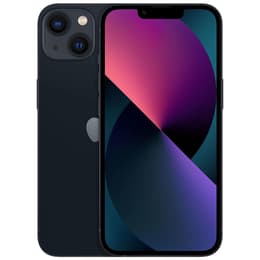
iPhone 13
iPhone 13
Starting at

Refurbished price:£189.00

Versus £599.00 new

See options

Ratings

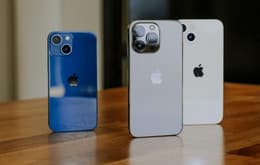
The iPhone 12 Pro Max, released in November 2020, and the iPhone 13, launched in September 2021, represent different approaches within Apple's smartphone lineup. While the 12 Pro Max offers a larger display and a more comprehensive camera system from its generation, the iPhone 13 introduces a newer processor and enhanced battery efficiency in a more compact form factor. Both devices operate on Apple's iOS platform, providing a consistent user experience.

Scores

Durability

When considering the long-term usability of these devices, their release timelines and software support are key factors.

  • Release Timeline: The iPhone 12 Pro Max was released in November 2020, making it approximately 10 months older than the iPhone 13, which launched in September 2021. This age difference impacts the duration of future software support.
  • OS Support Duration: Both models are currently compatible with iOS 26, the latest major operating system update as of March 2026. The iPhone 12 Pro Max, having shipped with iOS 14, is expected to receive major iOS updates until around late 2027 or 2028, with security patches extending beyond that. The iPhone 13, which launched with iOS 15, is projected to receive major iOS updates until around late 2028, with security updates likely continuing into 2029. This suggests the iPhone 13 will benefit from a slightly longer period of major software updates.
  • Practical Lifespan: Both devices feature durable designs with Ceramic Shield front covers and IP68 ratings for dust and water resistance, contributing to their physical longevity. Users can expect several years of reliable performance from either model, with the iPhone 13 potentially offering a marginally longer period of access to the newest iOS features due to its later release.

Year of Release

2020

2021

Compatible with latest Update

Yes

Yes

OS

iOS

iOS

Foldable

No

No

Performance

The performance of a smartphone is largely determined by its internal components, influencing how smoothly apps run and how efficiently power is managed.

  • Processor Capabilities: The iPhone 13 features a newer generation processor compared to the iPhone 12 Pro Max. This newer chip in the iPhone 13 offers improvements in both processing speed and power efficiency, leading to slightly faster app loading times and smoother handling of demanding applications. While the iPhone 12 Pro Max's processor remains highly capable for most daily tasks, the iPhone 13 provides a modest performance uplift.
  • Battery Behavior: Despite the iPhone 12 Pro Max having a larger battery capacity (3687 mAh) than the iPhone 13 (3240 mAh), the iPhone 13 generally delivers better real-world battery life. This is attributed to the newer processor's enhanced power efficiency and software optimizations. Users often report the iPhone 13 lasting longer on a single charge, with Apple claiming up to 19 hours of video playback for the iPhone 13 compared to up to 20 hours for the 12 Pro Max, but real-world tests often show the 13 outperforming its predecessor in overall endurance.
  • Multitasking and Responsiveness: The iPhone 12 Pro Max is equipped with 6GB of RAM, while the iPhone 13 has 4GB of RAM. In practical use, both devices offer fluid multitasking and system responsiveness for typical user scenarios. However, the additional RAM in the 12 Pro Max could provide a slight advantage when keeping a large number of applications open simultaneously or handling very memory-intensive tasks, though this difference is often not noticeable in everyday operation.

Memory

6 GB

4 GB

Screen quality

Both devices offer high-quality visual experiences, though they differ in size and some display characteristics.

  • Display Technology and Clarity: Both the iPhone 12 Pro Max and iPhone 13 feature Super Retina XDR OLED displays, providing vibrant colors, deep blacks, and excellent contrast. They both offer similar pixel densities (458 ppi for 12 Pro Max, 460 ppi for 13), resulting in sharp and detailed visuals.
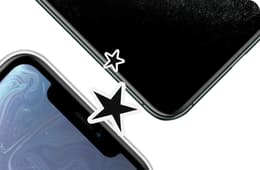
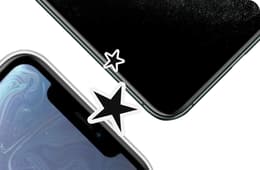
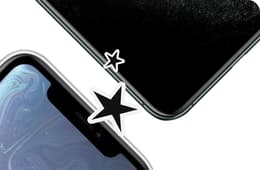
  • Size and Viewing Experience: A primary distinction is screen size. The iPhone 12 Pro Max boasts a larger 6.7-inch display, offering a more expansive viewing area for media consumption, gaming, and productivity. The iPhone 13 features a more compact 6.1-inch display, which some users find easier for one-handed use and pocketability.
  • Brightness and Refresh Rate: Both models achieve a typical brightness of 800 nits and a peak HDR brightness of 1200 nits, ensuring good visibility in various lighting conditions, including direct sunlight. Neither device features a high refresh rate display; both operate at a standard 60Hz. This means scrolling and animations will appear smooth, but not as fluid as devices with 90Hz or 120Hz refresh rates. The iPhone 13 does feature a slightly smaller notch at the top of the display compared to the 12 Pro Max.

Resolution

1284 x 2778

1170 x 2532

Screen type

Super Retina XDR OLED

Super Retina XDR OLED

Audiovisual

The camera systems on both iPhones are capable, but they cater to slightly different photographic needs.

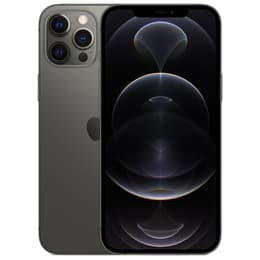
  • Rear Camera System: The iPhone 12 Pro Max features a triple 12MP camera system, including wide, ultra-wide, and a dedicated telephoto lens, along with a LiDAR scanner. This telephoto lens provides 2.5x optical zoom capabilities, allowing for clearer zoomed-in shots. The iPhone 13, on the other hand, has a dual 12MP camera system with wide and ultra-wide lenses. While it lacks a dedicated telephoto lens, it introduces sensor-shift optical image stabilization (OIS) for its wide camera, which was previously exclusive to the 12 Pro Max's wide lens.
  • Photography and Video Features: The iPhone 13 introduces Cinematic mode for video recording, which adds a shallow depth of field effect with automatic focus transitions, and Photographic Styles for more personalized image capture. Both phones excel in everyday photography and offer strong low-light performance, though the 12 Pro Max's larger sensor and LiDAR scanner can assist with autofocus in very dim conditions. Video recording quality is high on both, supporting 4K at 60 frames per second.
  • Audio Quality: Both devices provide clear microphone quality for calls and video recording. Their stereo speaker setups deliver a balanced audio experience for media consumption, suitable for casual listening without external speakers.

Main camera

12 megapixels

12 megapixels

Front camera

12 megapixels

12 megapixels

Miscellaneous

Beyond core performance and display, several practical elements differentiate these two iPhone models.

  • Connectivity: Both the iPhone 12 Pro Max and iPhone 13 support 5G cellular connectivity, Wi-Fi 6, and Bluetooth 5.0, ensuring fast and reliable wireless connections. The iPhone 13 may feature an improved 5G modem, potentially offering better performance in some network conditions.
  • Physical Design and Handling: The iPhone 12 Pro Max is a larger and heavier device, measuring 160.8 x 78.1 x 7.4 mm and weighing 228 grams. Its size makes it suitable for users who prefer a substantial device and a larger screen. The iPhone 13 is more compact and lighter at 146.7 x 71.5 x 7.65 mm and 174 grams, making it easier to handle with one hand and carry in a pocket. The 12 Pro Max features a stainless steel frame and frosted glass back, while the iPhone 13 uses an aluminum frame and glossy glass back, giving the 12 Pro Max a slightly more premium feel to some users.
  • Ports and Sensors: Both phones utilize the Lightning connector for charging and data transfer. They both rely on Face ID for secure authentication and offer a range of sensors for various functionalities, including accelerometers, gyroscopes, barometers, and ambient light sensors. The 12 Pro Max also includes a LiDAR scanner, which enhances augmented reality experiences and improves autofocus in low light.

Weight

226 g

173 g

Screen size (in)

6.7

6.1

Network

5G

5G

SIM card

Physical SIM + eSIM

Physical SIM + eSIM

Carrier compatibility

Unlocked

Unlocked

Connector

Lightning

Lightning

Choosing between the iPhone 12 Pro Max and the iPhone 13 involves weighing preferences for size, camera capabilities, and the latest internal advancements. User feedback often highlights the iPhone 12 Pro Max's large, immersive display and the versatility of its triple camera system, particularly the telephoto lens and LiDAR scanner, as key advantages. Some users appreciate its premium build materials and the additional RAM for intensive multitasking. However, its larger size and weight can be a point of criticism for those preferring a more compact device.

The iPhone 13 is frequently praised for its improved battery life, more efficient processor, and a more manageable form factor. Its Cinematic mode and Photographic Styles are also noted as valuable additions for creative photography and videography. Criticisms sometimes point to the absence of a telephoto lens and the standard 60Hz refresh rate, which is shared with the 12 Pro Max.

Users prioritizing a larger screen for media consumption, a dedicated telephoto camera for optical zoom, and a slightly more robust build might find the iPhone 12 Pro Max better suited to their needs. Conversely, those who value a more compact and lighter device, superior battery endurance, and the latest processor for slightly snappier performance and newer software features may lean towards the iPhone 13. Both models offer a reliable and feature-rich smartphone experience. For those seeking an eco-friendly alternative, both the iPhone 12 Pro Max and iPhone 13 are available as quality-assured refurbished options, providing a sustainable choice without compromising on functionality.
See all articles

Our recent comparisons