
Galaxy Z Fold4 Vs Google Pixel 8a

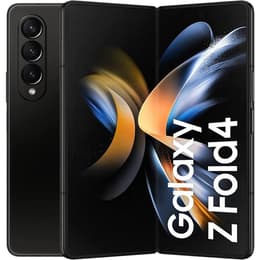
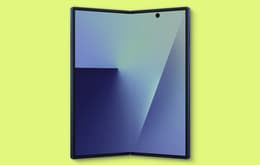
Galaxy Z Fold4
Galaxy Z Fold4
Starting at

Refurbished price:£352.00

Versus £1,889.00 new

See options
Google Pixel 8a
Google Pixel 8a
Starting at

Refurbished price:£216.00

Versus £467.97 new

See options

Ratings

The Samsung Galaxy Z Fold4 (released in August 2022) and the Google Pixel 8A (launched in May 2024) represent distinct approaches to modern smartphone design and functionality. While the Galaxy Z Fold4 offers a unique foldable form factor that transforms from a traditional smartphone into a larger tablet-like display, the Pixel 8A adheres to a more conventional slab design, focusing on delivering a streamlined Android experience with advanced computational features. Both devices operate on the Android platform, but they cater to different user preferences through their core design philosophies and feature sets.

Scores

Durability

The expected practical lifespan of a smartphone is influenced by its build quality, software support, and the longevity of its components. These two devices offer different timelines for software updates and vary in their physical resilience.

  • Software Support: The Google Pixel 8A stands out with an impressive commitment to software longevity, promising seven years of Android operating system upgrades, security updates, and Pixel Feature Drops from its release date, extending support until at least 2031. In contrast, the Samsung Galaxy Z Fold4 was launched with Android 12L and is slated to receive four major Android OS upgrades, reaching Android 16, along with five years of security updates, concluding around 2027.
  • Physical Durability: The Galaxy Z Fold4 features an IPX8 water resistance rating, indicating protection against submersion in water, and utilizes Gorilla Glass Victus+ on its cover screen and back panel for enhanced scratch resistance. Its foldable design incorporates a robust hinge that has demonstrated resilience in bend tests. However, the inner foldable display, made of a more flexible material, is more susceptible to scratches. The Pixel 8A carries an IP67 rating, offering dust and water resistance for shallower submersion, and uses Gorilla Glass 3 for its display protection.
  • Repairability: While specific repairability scores can vary, the complex foldable mechanism of the Galaxy Z Fold4 generally presents a more intricate repair process compared to the more conventional design of the Pixel 8A. User reports for the Z Fold4 suggest that while the device is more durable than often perceived, issues with the inner screen protector peeling can occur over time.

Year of Release

2022

2024

Compatible with latest Update

Yes

Yes

OS

Android

Android

Foldable

Yes

No

Performance

Performance in daily use is a key differentiator, with both devices offering capable hardware tailored to their respective designs and target users. Their storage options, battery behavior, and overall system responsiveness reflect these differences.

  • Storage and Multitasking: The Samsung Galaxy Z Fold4 comes with 12GB of RAM and offers generous storage options up to 1TB, facilitating extensive multitasking and ample space for large files and applications. The Google Pixel 8A is equipped with 8GB of RAM and provides storage options up to 256GB. Both configurations are designed to handle everyday tasks smoothly, but the Z Fold4's higher RAM and storage capacities cater to more demanding usage scenarios.
  • Processing Power: The Galaxy Z Fold4 is powered by a processor designed for high-end performance, enabling smooth operation of demanding applications, intensive gaming, and efficient handling of its dual-screen interface. The Pixel 8A features Google's custom-designed processor, which delivers responsive performance for daily tasks, app loading, and leverages advanced AI capabilities for various functions. While both processors ensure a fluid user experience, the Z Fold4's hardware is generally geared towards peak performance for power users.
  • Battery Life: The Galaxy Z Fold4 houses a 4400 mAh battery, which, combined with its efficient processor and adaptive refresh rate displays, is generally reported to last a full day for many users, showing improvements over its predecessor. The Pixel 8A features a slightly larger 4492 mAh battery and is noted for its strong battery efficiency, with some reports indicating it can last up to two days on a single charge for moderate use. The Pixel 8A supports 18W wired charging and 7.5W wireless charging, while the Z Fold4 supports 25W wired and 15W wireless charging.

Memory (GB)

12 GB

8 GB

Screen quality

The visual experience is a significant aspect of any smartphone, and these two devices offer distinct display technologies and sizes that impact how users interact with their content.

  • Display Technology and Clarity: Both devices feature OLED display technology, known for deep blacks and vibrant colors. The Samsung Galaxy Z Fold4 boasts a 7.6-inch foldable Dynamic AMOLED 2X main display with a resolution of 2176 x 1812 pixels, offering a large, immersive canvas. Its 6.2-inch Dynamic AMOLED 2X cover display has a resolution of 904 x 2316 pixels. The Google Pixel 8A features a 6.1-inch Actua Display (OLED) with a resolution of 1080 x 2400 pixels, providing clear and sharp visuals in a more compact form factor.
  • Brightness and Refresh Rate: Both the main and cover displays of the Galaxy Z Fold4 offer an adaptive refresh rate of up to 120Hz, contributing to smooth scrolling and fluid animations. The Pixel 8A also features a 120Hz refresh rate display, enhancing the smoothness of on-screen motion. The Pixel 8A's display can reach a peak brightness of 2000 nits, ensuring good visibility even in bright outdoor conditions.
  • Viewing Experience: The Galaxy Z Fold4's large internal display provides an expansive viewing area ideal for productivity, media consumption, and gaming, offering a tablet-like experience when unfolded. The Pixel 8A's 6.1-inch display offers a comfortable one-handed experience, suitable for everyday smartphone use and content viewing on the go. The Z Fold4's inner screen has a slightly more square aspect ratio compared to its predecessor, and the cover screen is wider, making it closer to a traditional phone shape when folded.

Resolution

1812 x 2176

1080 x 2400

Screen type

Foldable Dynamic AMOLED 2X

OLED

Audiovisual

Camera capabilities are a crucial consideration for many users, and both the Galaxy Z Fold4 and Pixel 8A offer advanced imaging systems, though with different strengths and features.

  • Rear Camera Systems: The Samsung Galaxy Z Fold4 features a versatile triple-camera setup on the rear, including a 50MP wide-angle lens, a 12MP ultra-wide lens, and a 10MP telephoto lens with 3x optical zoom. This configuration allows for a wide range of photographic styles, from expansive landscapes to detailed zoomed-in shots. The Google Pixel 8A comes with a dual-camera system, comprising a 64MP wide-angle main lens and a 13MP ultra-wide lens. Both devices offer optical and electronic image stabilization on their main sensors for clearer photos and videos.
  • Photography Performance: The Galaxy Z Fold4's main 50MP sensor is noted for capturing detailed and vibrant images, performing well in various lighting conditions, including low light. Its telephoto lens provides effective optical zoom. The Pixel 8A, leveraging Google's computational photography, excels in producing images with accurate colors and excellent dynamic range, even in challenging lighting. Its Night Sight mode is particularly effective in low-light scenarios. The Pixel 8A also includes AI-powered features like Best Take and Magic Editor for enhancing photos.
  • Front-Facing and Video Capabilities: The Galaxy Z Fold4 has a 10MP camera on its cover display and a 4MP under-display camera on the inner screen, with the latter being primarily suited for video calls. The Pixel 8A features a 13MP front-facing camera, capable of high-quality selfies. For video recording, the Z Fold4 can capture up to 8K resolution at 24 frames per second, while the Pixel 8A supports 4K recording at up to 60 frames per second.

Main camera

50 megapixels

64 megapixels

Front camera

4 megapixels

13 megapixels

Miscellaneous

Beyond the core specifications, several practical elements contribute to the overall user experience, from connectivity to physical design and additional features.

  • Connectivity and Ports: Both the Galaxy Z Fold4 and the Pixel 8A support 5G connectivity for fast mobile data speeds. They also feature modern Wi-Fi standards (Wi-Fi 6E for both) and Bluetooth for wireless accessories (Bluetooth 5.2 for Fold4, Bluetooth 5.3 for Pixel 8A). Both devices utilize a USB-C port for charging and data transfer, with the Z Fold4 supporting USB 3.2 Gen 1 and the Pixel 8A supporting USB 3.2. Neither device includes a traditional 3.5mm headphone jack.
  • Biometric Security and Sensors: The Galaxy Z Fold4 incorporates a side-mounted fingerprint scanner for secure unlocking. The Pixel 8A offers both an in-display fingerprint scanner and face unlock for biometric authentication. Both devices include a range of sensors such as accelerometers, gyroscopes, and compasses for various functionalities.
  • Design and Handling: The Galaxy Z Fold4, with its foldable design, offers a unique form factor that is heavier at 263g and thicker when folded (14.2-15.8mm) compared to traditional smartphones. When unfolded, it becomes a slim 6.3mm tablet. The Pixel 8A, with its conventional design, is lighter at 188g and has a thickness of 8.9mm, making it more compact and easier for one-handed use. The Z Fold4 features an Armor Aluminum frame, contributing to its premium feel and structural integrity.

Weight

263 g

188 g

Screen size (in)

7.6

6.1

Mobile network

5G

5G

SIM card

Dual Physical SIM + eSIM

Physical SIM + eSIM

Carrier compatibility

Unlocked

Unlocked

The Samsung Galaxy Z Fold4 and the Google Pixel 8A cater to distinct user needs, offering different strengths and experiences. User feedback for the Galaxy Z Fold4 often praises its innovative foldable display, which provides a large, immersive screen for productivity and media consumption, effectively combining a phone and a tablet into one device. Its robust performance and versatile camera system are also frequently highlighted. However, some users express concerns about the durability of the inner screen over extended use and its overall bulk compared to traditional smartphones.

The Google Pixel 8A is generally lauded for its exceptional camera performance, often considered among the best in its category, thanks to Google's advanced computational photography and AI features. Its long-term software support commitment is a significant advantage, ensuring the device remains updated and secure for many years. Users also appreciate its reliable battery life and the clean, user-friendly Android experience. Criticisms sometimes point to its charging speeds being slower than some competitors and the presence of bezels around the display.

Users prioritizing a cutting-edge, versatile device that can transform from a compact phone to a large-screen tablet for multitasking and immersive content will find the Samsung Galaxy Z Fold4 well-suited to their needs. Its powerful hardware and unique form factor are ideal for those who value innovation and a premium, expansive digital workspace. Conversely, individuals who prioritize an excellent camera experience, long-term software support, and a streamlined, AI-enhanced Android interface in a more traditional and compact form factor may lean toward the Google Pixel 8A. It offers a dependable and high-quality smartphone experience without the complexities of a foldable design.

For those considering either of these devices, exploring quality-assured refurbished options can be an eco-friendly alternative, providing access to these advanced technologies while supporting sustainable consumption.
See all articles

Our recent comparisons