
Google Pixel 8a Vs iPhone 13

Google Pixel 8a
Google Pixel 8a
Starting at

Refurbished price:£216.00

Versus £467.97 new

See options
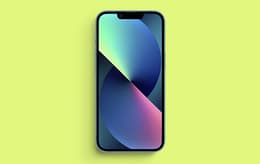
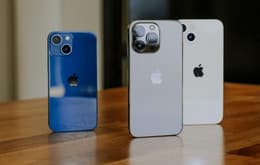
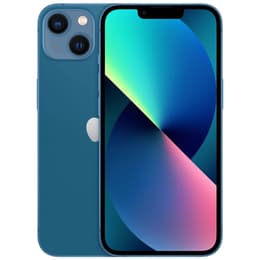
iPhone 13
iPhone 13
Starting at

Refurbished price:£204.00

Versus £599.00 new

See options

Ratings

The Google Pixel 8a, released in 2024, and the iPhone 13, launched in 2021, represent two different eras of smartphone technology. While the Pixel 8a is a modern entry in the Android ecosystem, the iPhone 13 remains a popular choice for those within the iOS environment. The primary differences lie in their release dates, with the Pixel being three years newer, and their distinct operating systems which dictate the user interface and app availability. Both devices cater to users seeking a reliable, standard-sized smartphone experience with high-quality displays and capable cameras.

Scores

Durability

The Pixel 8a benefits from a significantly later release date, which impacts its long-term software support and overall expected lifespan.

  • Software Longevity: The Pixel 8a is designed to receive software and security updates for seven years from its launch, potentially lasting until 2031. In contrast, the iPhone 13, while receiving consistent updates, is closer to the end of its support cycle, typically expected to receive iOS updates for six to seven years from its 2021 release.
  • Physical Resilience: Both phones feature robust builds, but the iPhone 13 uses a glass back and Ceramic Shield front, whereas the Pixel 8a utilizes a matte plastic back. The iPhone 13 carries a slightly higher water resistance rating (IP68) compared to the Pixel 8a (IP67), making it slightly more resilient against deep submersion.
  • Repairability: Both manufacturers have made strides in providing parts for repairs. Choosing a quality-assured refurbished option for either model can further extend the device's functional life while supporting environmental sustainability.

Year of Release

2024

2021

Compatible with latest Update

Yes

Yes

OS

Android

iOS

Foldable

No

No

Performance

Despite the age gap, both devices handle modern applications with ease, though they approach power management and multitasking differently.

  • System Responsiveness: The Pixel 8a uses modern internal hardware that excels at machine-learning tasks, such as live translation and photo processing. The iPhone 13, though older, maintains a very high level of fluid performance in daily navigation and social media usage due to the efficient integration of its hardware and software.
  • Multitasking and Memory: With a higher amount of temporary memory (RAM), the Pixel 8a is well-equipped to keep multiple applications open in the background without refreshing. The iPhone 13 manages memory efficiently, though users who switch between many demanding apps might notice more frequent reloading compared to the newer Pixel.
  • Battery Endurance: In real-world usage, the Pixel 8a generally provides enough power to last through a full day of mixed use. The iPhone 13 is noted for its excellent standby time, meaning it loses very little charge when not in use, making it reliable for users who aren't constantly on their phones.

Memory (GB)

8 GB

4 GB

Screen quality

The viewing experience differs mainly in how smoothly motion is rendered and how bright the panels can get in direct sunlight.

  • Motion Smoothness: The Pixel 8a features a high refresh rate display, which makes scrolling through web pages and navigating menus appear much smoother than on the iPhone 13. The iPhone 13 uses a standard refresh rate, which is clear and functional but lacks the fluid visual snap found on the newer device.
  • Outdoor Visibility: The Pixel 8a's display is designed to reach higher peak brightness levels, making it easier to read text or view photos when outdoors on a sunny day. While the iPhone 13 is perfectly legible in most conditions, it may struggle slightly more under direct, intense light.
  • Display Technology: Both smartphones utilize OLED technology, ensuring deep blacks, high contrast, and vibrant colours for watching videos or browsing photos. The 6.1-inch size on both devices makes them comfortable for one-handed use while providing ample space for media consumption.

Resolution

1080 x 2400

1170 x 2532

Screen type

OLED

Super Retina XDR OLED

Audiovisual

Photography and video remain key strengths for both brands, with the Pixel focusing on software-driven clarity and the iPhone on natural consistency.

  • Image Detail: The Pixel 8a captures images with a very high level of detail and uses advanced software to balance shadows and highlights automatically. This results in striking photos in various lighting conditions. The iPhone 13 produces very natural-looking images with accurate skin tones, which many users prefer for a realistic aesthetic.
  • Video Capabilities: The iPhone 13 is widely regarded for its stable and high-quality video recording, offering smooth transitions and excellent sound capture through its microphones. The Pixel 8a provides strong video performance with helpful software stabilization, though it is often praised more for its still photography than its video.
  • Audio Experience: Both devices feature stereo speakers that provide clear audio for calls and media. The iPhone 13 tends to offer a slightly fuller sound profile with more noticeable bass, while the Pixel 8a focuses on vocal clarity, which is beneficial for podcasts and speakerphone conversations.

Main camera

64 megapixels

12 megapixels

Front camera

13 megapixels

12 megapixels

Miscellaneous

Practical features like charging ports and biometric security define the daily interaction with these two smartphones.

  • Connectivity and Ports: The Pixel 8a uses the universal USB-C standard for charging and data transfer, which is compatible with most modern electronics. The iPhone 13 uses the proprietary Lightning port, requiring specific cables that are common in the Apple ecosystem but less universal elsewhere.
  • Biometric Security: For unlocking the device, the Pixel 8a offers both a fingerprint sensor hidden under the screen and face recognition. The iPhone 13 relies solely on FaceID, which uses advanced sensors to map the user's face, providing a secure and seamless experience even in the dark.
  • Physical Handling: The Pixel 8a has more rounded corners and a matte finish, which some users find easier to grip. The iPhone 13 has a more industrial, flat-edged design with a glass back that feels substantial in the hand but can be more prone to fingerprints and slipping on smooth surfaces.

Weight

188 g

173 g

Screen size (in)

6.1

6.1

Mobile network

5G

5G

SIM card

Physical SIM + eSIM

Physical SIM + eSIM

Carrier compatibility

Unlocked

Unlocked

When looking at user feedback from online forums and communities, the Google Pixel 8a is frequently praised for its modern features and the promise of long-term software support. Users appreciate the helpful software tools that assist with daily tasks and photo editing. On the other hand, the iPhone 13 is often cited for its reliability and the way it integrates seamlessly with other Apple products. Some users note that while it is an older model, its performance remains consistent and its video quality is still highly competitive.

Users prioritizing a smooth, high-refresh-rate screen and the longest possible software update window may prefer the Pixel 8a. Conversely, users who value a proven, reliable ecosystem and natural video recording may lean toward the iPhone 13. Both devices represent strong choices for those who want a compact yet powerful smartphone experience. Choosing an eco-friendly alternative like a refurbished model allows users to access these technologies while reducing electronic waste. Ultimately, the decision depends on whether you prefer the modern, software-forward approach of the Pixel or the established, consistent performance of the iPhone.


See all articles

Our recent comparisons