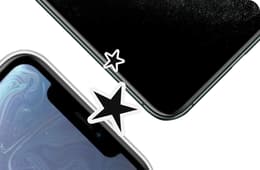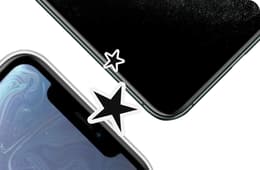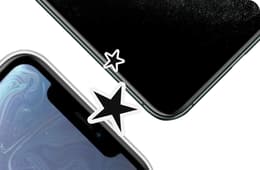
iPhone 13 Vs iPhone 16

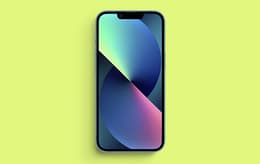
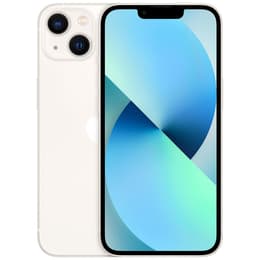
iPhone 13
iPhone 13
Starting at

Refurbished price:£204.00

Versus £599.00 new

See options
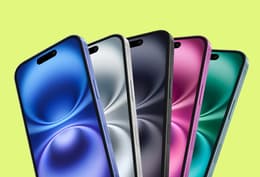
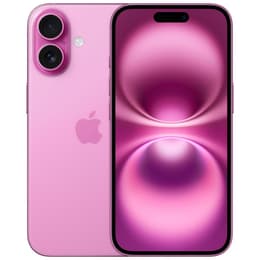
iPhone 16
iPhone 16
Starting at

Refurbished price:£484.00

Versus £699.00 new

See options

Ratings

The iPhone 13, launched in 2021, and the iPhone 16, released in 2024, represent two different eras of the modern smartphone experience. While both devices share the same core design philosophy and run the latest versions of iOS, the three-year gap between them introduces significant changes in hardware capabilities and physical features. The iPhone 13 remains a reliable choice for standard tasks, whereas the iPhone 16 introduces a more versatile camera system and a shift toward universal connectivity standards.

This comparison explores how these two models differ in practical use, focusing on their longevity, performance, and the physical updates that define the newer generation. Whether you are looking for a dependable daily companion or a device equipped for the latest software innovations, understanding these factual differences will help you determine which model best fits your lifestyle.

Scores

Durability

The timeline of release for these two devices significantly impacts their long-term utility and software compatibility for users planning to keep their phone for several years.

  • Software Longevity: The iPhone 16, being a 2024 release, is expected to receive official software updates and security patches for several years longer than the iPhone 13, ensuring access to the latest features until the end of the decade.
  • Repairability and Build: Both models feature a glass and aluminium construction, but the iPhone 16 benefits from an updated internal architecture that makes certain repairs, such as battery replacements, more straightforward for technicians compared to the older internal layout of the iPhone 13.
  • Practical Lifespan: While the iPhone 13 is still a capable device today, its remaining years of peak performance are fewer compared to the iPhone 16, which is built with more performance headroom to handle the increasing demands of future software iterations.

Year of Release

2021

2024

Compatible with latest Update

Yes

Yes

Foldable

No

No

Performance

Daily responsiveness and the ability to handle demanding applications vary between these generations due to advancements in internal hardware and memory management.

  • System Responsiveness: The iPhone 16 handles intensive multitasking and high-end mobile gaming with greater ease, showing less heat buildup during sustained use compared to the iPhone 13, which may occasionally slow down when running the most demanding modern apps.
  • Memory and Multitasking: With a higher memory capacity, the iPhone 16 can keep more apps open in the background without refreshing them, providing a smoother experience for users who frequently switch between complex tasks like video editing and navigation.
  • Battery Efficiency: Users will notice that the iPhone 16 offers longer runtimes during video playback and web browsing, thanks to more efficient internal components that manage power consumption more effectively than the 2021 model.

Memory (GB)

4 GB

8 GB

Screen quality

While both smartphones utilise high-quality OLED technology for deep blacks and vivid colours, the iPhone 16 offers several visual refinements that improve the viewing experience in various environments.

  • Display Brightness: The iPhone 16 reaches significantly higher peak brightness levels, making the screen much easier to read when used outdoors under direct sunlight compared to the iPhone 13, which can sometimes be harder to see in bright conditions.
  • Interface Design: The iPhone 16 replaces the traditional notch found on the iPhone 13 with a dynamic interface element at the top of the screen, which changes shape to show alerts, timers, and ongoing activities without interrupting your current app.
  • Visual Clarity: Both screens provide sharp resolutions for watching media, but the iPhone 16 features a more advanced protective layer on the glass, offering better resistance against scratches and minor impacts during daily use.

Resolution

1170 x 2532

1179 x 2556

Screen type

Super Retina XDR OLED

Super Retina XDR OLED

Audiovisual

The photographic capabilities of these devices have evolved from a standard dual-lens setup to a more sophisticated system capable of capturing much higher levels of detail and offering more creative flexibility.

  • Image Resolution: The iPhone 16 features a primary sensor with four times the resolution of the iPhone 13, allowing users to crop into photos or print them in larger formats without losing the clarity found in the original shot.
  • Versatility and Zoom: While neither device has a dedicated telephoto lens, the iPhone 16 uses its high-resolution sensor to provide a virtual zoom that maintains high image quality, a feature not available on the iPhone 13's standard 12-megapixel system.
  • Low-Light and Macro: Improvements in light processing allow the iPhone 16 to capture clearer, less grainy images in dim environments, and it also introduces a macro mode for taking detailed close-up shots of small objects like flowers or textures.

Main camera

12 megapixels

48 megapixels

Front camera

12 megapixels

12 megapixels

Miscellaneous

Physical controls and connectivity standards mark some of the most practical differences for users interacting with these devices on a daily basis.

  • Connectivity and Ports: The iPhone 16 adopts the universal USB-C port for charging and data transfer, whereas the iPhone 13 uses the proprietary Lightning connector, which may require different cables for those who already own modern laptops or tablets.
  • Physical Controls: The iPhone 16 introduces a customisable Action Button and a dedicated touch-sensitive control for camera functions, replacing the traditional mute switch found on the side of the iPhone 13.
  • Wireless Standards: The newer model supports faster Wi-Fi standards and more precise location tracking, which can result in more stable connections in crowded areas and better accuracy for navigation and fitness apps.

Weight

173 g

170 g

Screen size (in)

6.1

6.1

Mobile network

5G

5G

SIM card

Physical SIM + eSIM

Physical SIM + eSIM

Carrier compatibility

Unlocked

Unlocked

Connector

Lightning

USB-C (USB 2)

User feedback from various forums indicates that the iPhone 13 is widely respected for its enduring reliability and comfortable form factor, with many users finding it more than sufficient for social media, messaging, and casual photography. However, some long-term owners note that the battery health naturally declines over several years of use, which is expected for a device of its age. In contrast, early adopters of the iPhone 16 praise the new physical buttons and the significantly brighter display, though some mention a slight learning curve when adjusting to the new touch-sensitive camera controls.

Users who prioritise a straightforward, dependable smartphone for everyday communication and standard app usage may find the iPhone 13 perfectly aligns with their needs. On the other hand, users who frequently take photos, play demanding games, or want the latest connectivity standards will likely lean toward the iPhone 16. Choosing a quality-assured refurbished option for either model is a sustainable choice that helps reduce electronic waste while providing a device that has been thoroughly tested for performance. Ultimately, the decision rests on whether the newer camera features and USB-C connectivity are essential for your specific daily routine. As an eco-friendly alternative, both devices remain excellent examples of hardware that can serve users well for many years.
See all articles

Our recent comparisons