iPhones
Compare models
Differences at a glance
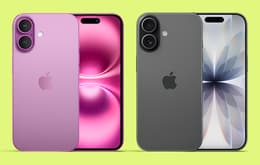
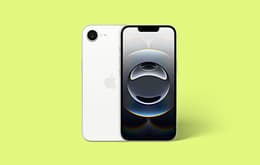
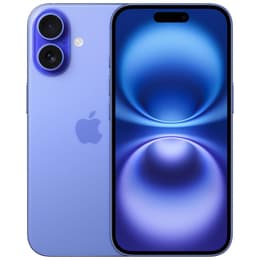
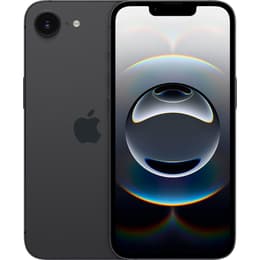
The iPhone 16 and iPhone 16e represent distinct offerings within Apple's smartphone lineup, both released in 2024 and 2025 respectively. While the iPhone 16 serves as a standard flagship model, the iPhone 16e was introduced as an entry-level option, succeeding the iPhone SE (3rd generation) and featuring a blend of design elements from previous generations. These devices cater to different user priorities, with key differentiators found in their display technology, camera systems, and connectivity features. For those considering a quality-assured refurbished option, understanding these distinctions is essential for an informed choice.
Colour
Storage
Both the iPhone 16 and iPhone 16e benefit from Apple's consistent software support, ensuring a practical lifespan for users. The iPhone 16 was released in September 2024, while the iPhone 16e followed in February 2025, though it was discontinued in March 2026. Both devices launched with iOS 18 and are upgradable to later versions, including iOS 26. This indicates a similar software longevity expectation from their respective release points.
Year of Release
Performance in both the iPhone 16 and iPhone 16e is driven by the Apple A18 system on a chip, providing robust capabilities for daily tasks and demanding applications. However, there are subtle differences in their graphical processing power that may influence specific use cases.
Both the iPhone 16 and iPhone 16e feature vibrant OLED displays, offering excellent visual experiences, but they differ in their front-facing design and peak brightness levels.
The camera systems on the iPhone 16 and iPhone 16e offer capable photography and videography, with the iPhone 16 providing a more versatile setup compared to the entry-level iPhone 16e.
Beyond core performance and display, several practical elements differentiate the iPhone 16 and iPhone 16e, particularly in terms of connectivity and physical design.
Screen size (in)
Mobile network
SIM card
Carrier compatibility
Connector
The iPhone 16 and iPhone 16e cater to distinct user needs, reflecting Apple's strategy to offer a range of options within its smartphone ecosystem. User sentiment, based on the specifications, suggests that the iPhone 16 is praised for its advanced camera system, including a dedicated ultrawide lens and the Camera Control button, as well as its support for the latest Wi-Fi 7 standard. Its Dynamic Island also offers a more modern and interactive user interface.
The iPhone 16e, while discontinued, was recognized for bringing a powerful A18 chip and an OLED display to a more accessible price point, making it a compelling option for those seeking core iPhone functionality without the premium features. Its longer battery life for a 6.1-inch iPhone was also a notable advantage. Criticisms for the iPhone 16e often centered on its retention of the notch design and the absence of MagSafe and mmWave 5G connectivity, features found in its more premium counterparts.
Users prioritizing the latest camera technology, faster wireless connectivity, and a modern display interface with Dynamic Island will find the iPhone 16 well-suited to their needs. Conversely, users who value strong core performance, an excellent OLED display, and extended battery life in a compact form factor, and do not require the most advanced features, may have found the iPhone 16e to be a practical choice. For those looking for an eco-friendly and quality-assured refurbished option, both models offer a pathway to sustainable technology consumption, allowing users to align their device choice with both their functional requirements and environmental considerations.