iPhones
Compare models
Differences at a glance
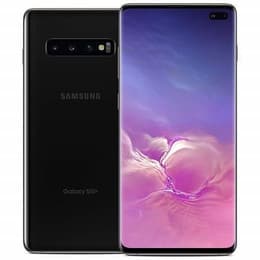
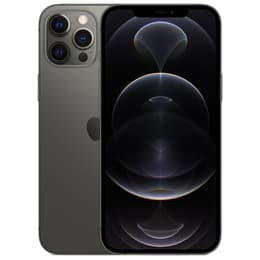
The Samsung Galaxy S10 Plus, released in March 2019, and the iPhone 12 Pro Max, launched in November 2020, represent flagship smartphones from their respective manufacturers. While both devices offer premium experiences, they differ significantly in their operating systems and overall design philosophies. The Galaxy S10 Plus runs on Android with Samsung's One UI, offering a customizable experience, whereas the iPhone 12 Pro Max operates on Apple's iOS, known for its integrated ecosystem and streamlined interface. These differences extend to their camera systems, display technologies, and expected software longevity.
Colour
Storage
When considering the long-term usability of these devices, their release timelines and software support policies are key differentiators.
Year of Release
Compatible with latest Update
OS
Foldable
The performance of a smartphone is influenced by its internal components and how efficiently its software utilizes them, impacting daily tasks and demanding applications.
The visual experience on a smartphone is largely defined by its display technology, resolution, and brightness, which affect clarity and usability in various lighting conditions.
Resolution
Screen type
The camera systems on both devices are designed to capture high-quality images and videos, though they approach this with different hardware and software optimizations.
Main camera
Front camera
Beyond core features, several practical elements contribute to the overall user experience, from connectivity to physical design.
Weight
Screen size (in)
Mobile network
SIM card
Carrier compatibility
User feedback for the Samsung Galaxy S10 Plus often praises its stunning Dynamic AMOLED display, comprehensive feature set including a headphone jack and expandable storage, and its capable camera system in good lighting. Criticisms frequently mention its relatively slower charging speeds and, for some regions, the Exynos processor's battery performance compared to the Snapdragon variant. Its repairability was also noted as challenging.
The iPhone 12 Pro Max is widely lauded for its exceptional battery life, large and vibrant Super Retina XDR display, and its advanced camera capabilities, particularly in low-light conditions due to the larger sensor and sensor-shift stabilization. Common points of discussion include its substantial size and weight, which can impact one-handed use, and the 60Hz refresh rate, which some users felt was a limitation compared to other flagship devices at the time.
Users prioritizing a highly customizable Android experience with features like a headphone jack and expandable storage may find the Galaxy S10 Plus aligns with their needs. Its display remains impressive, and for those who value these specific hardware inclusions, it offers a compelling package. Conversely, users who prioritize extended software support, a highly optimized ecosystem, superior low-light photography, and robust overall performance will likely lean towards the iPhone 12 Pro Max. Its longer expected lifespan for updates and strong camera performance make it suitable for those seeking a device with longevity and advanced imaging capabilities.
For individuals evaluating these devices, considering a quality-assured refurbished option can be an eco-friendly alternative, providing access to premium technology while supporting sustainable consumption.