
Galaxy S21 5G Vs Oppo Find X5

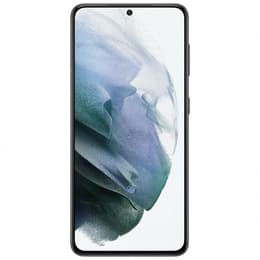
Galaxy S21 5G
Galaxy S21 5G
Starting at

Refurbished price:£135.00

Versus £1,000.00 new

See options
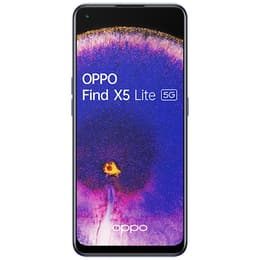
Oppo Find X5
Oppo Find X5
Starting at

Refurbished price:£296.00

Versus £816.65 new

See options

Ratings

The Samsung Galaxy S21 5G (2021) and the Oppo Find X5 (2022) are two prominent Android smartphones that cater to users looking for high-end features in a manageable form factor. While the Galaxy S21 represents Samsung's established design philosophy with a focus on software integration, the Oppo Find X5 arrived a year later, introducing advancements in charging speed and camera processing. Both devices run on the Android operating system, though they offer distinct user interfaces—Samsung’s One UI and Oppo’s ColorOS—which provide different levels of customisation and aesthetic choices for the daily user.

Scores

Durability

The Galaxy S21 and Oppo Find X5 differ in their release timing, which directly impacts their long-term software support and physical resilience.

  • Software Longevity: Samsung typically provides four years of major Android updates and five years of security patches for the S21 series. Since it launched in early 2021, users can expect support to continue through 2025 or 2026. The Oppo Find X5, released in 2022, follows a similar update policy, potentially extending its functional life slightly further into the future due to its later start date.
  • Build and Repairability: The Galaxy S21 features a polycarbonate back which is highly resistant to cracks from drops, whereas the Oppo Find X5 uses a glass rear that offers a different tactile feel and requires more care. Both devices have established repair networks, though Samsung's widespread global presence often makes finding replacement parts like screens or batteries more straightforward for the average consumer.
  • Environmental Impact: Choosing a quality-assured refurbished option for either of these models helps extend the lifecycle of existing hardware, reducing electronic waste while providing a device that has been thoroughly tested for longevity.

Year of Release

2021

2022

Compatible with latest Update

Yes

Yes

OS

Android

Android

Foldable

No

No

Performance

In everyday use, both smartphones handle demanding tasks with ease, though they prioritise different aspects of the user experience regarding power management and multitasking.

  • System Responsiveness: Both devices manage multitasking efficiently, allowing users to switch between social media, navigation, and productivity apps without noticeable lag. The Oppo Find X5 generally offers more generous memory configurations in its base models, which can help keep more apps open in the background simultaneously compared to the standard Galaxy S21.
  • Battery and Charging: The Oppo Find X5 features a larger battery capacity and significantly faster charging capabilities, allowing it to go from empty to full in a fraction of the time it takes the Galaxy S21. While the S21 provides enough power to last through a standard workday for moderate users, those with heavy usage patterns may find the Oppo's rapid power recovery more convenient.
  • Storage Flexibility: Both manufacturers offer various internal storage tiers, though neither device includes a microSD slot for expansion. Users must decide on their storage needs at the point of purchase, whether they prioritise local photo storage or rely on cloud-based services.

Memory (GB)

8 GB

8 GB

Screen quality

The viewing experience on these two devices is defined by high-quality AMOLED technology, though the physical dimensions and brightness levels vary.

  • Display Size and Comfort: The Galaxy S21 features a 6.2-inch screen, making it one of the more compact flagship devices available, ideal for one-handed use. The Oppo Find X5 is slightly larger at 6.55 inches, providing more screen real estate for watching videos or reading long articles while remaining relatively slim.
  • Visual Fluidity: Both screens support a 120Hz refresh rate, which ensures that scrolling through menus and animations appears smooth and responsive. This high refresh rate is a standard feature that enhances the perceived speed of the interface on both the Samsung and Oppo models.
  • Outdoor Visibility: Samsung’s display technology is known for high peak brightness, making the S21 very easy to read even under direct sunlight. The Oppo Find X5 also performs well in bright conditions, though users may find the Samsung panel slightly more vibrant in challenging lighting environments.

Resolution

1080 x 2400

1080 x 2400

Screen type

Dynamic AMOLED 2X

AMOLED

Audiovisual

Photography and media consumption are central to both devices, with each brand taking a different approach to image processing and hardware configuration.

  • Camera Versatility: The Galaxy S21 uses a high-resolution telephoto sensor that excels at zooming into distant subjects, making it a strong choice for travel photography. In contrast, the Oppo Find X5 focuses on its ultra-wide and main sensors, utilising specialised colour calibration to produce natural-looking tones and high levels of detail in wide-angle shots.
  • Low-Light Performance: Both phones handle evening and indoor photography well, using software processing to brighten dark scenes. The Oppo Find X5 includes a dedicated imaging processor that helps reduce noise in night-time videos, while the Galaxy S21 relies on its mature software algorithms to balance highlights and shadows effectively.
  • Audio Experience: Both devices feature stereo speakers that provide a clear and balanced sound for podcasts and videos. While neither includes a traditional headphone jack, they both support high-quality wireless audio standards for a consistent listening experience with Bluetooth headphones.

Main camera

12 megapixels

50 megapixels

Front camera

10 megapixels

32 megapixels

Miscellaneous

Practical daily considerations such as connectivity, security, and physical handling distinguish these two smartphones in subtle but important ways.

  • Biometrics and Security: The Galaxy S21 utilises an ultrasonic fingerprint sensor embedded under the display, which works quickly even if fingers are slightly damp. The Oppo Find X5 uses an optical fingerprint sensor, which is also fast and reliable but functions by illuminating the fingertip with light.
  • Portability and Weight: At 169 grams, the Galaxy S21 is notably lighter and thinner than the 196-gram Oppo Find X5. This makes the Samsung device more comfortable for users who keep their phone in a pocket or prefer a device that doesn't feel heavy during long calls.
  • Connectivity Standards: Both smartphones are fully compatible with 5G networks, ensuring fast mobile data speeds where available. They also support modern Wi-Fi and Bluetooth standards, providing stable connections to home networks and wearable accessories like smartwatches.

Weight

169 g

196 g

Screen size (in)

6.2

6.55

Mobile network

5G

5G

SIM card

Dual Physical SIM + eSIM

Physical SIM + eSIM

Carrier compatibility

Unlocked

Unlocked

Connector

USB-C

USB-C

The choice between the Samsung Galaxy S21 5G and the Oppo Find X5 often comes down to a preference for size versus charging speed. According to user discussions on various tech forums, the Galaxy S21 is frequently praised for its compact "pocketable" design and the reliability of Samsung's software ecosystem. However, some users note that its battery life can be a limitation for power users. On the other hand, the Oppo Find X5 receives significant praise for its exceptionally fast charging and its unique aesthetic design, though some users find the software interface less intuitive if they are coming from a different brand.

Users who prioritise a lightweight, compact phone with long-term software reliability and a strong zoom camera will likely find the Galaxy S21 5G to be the better fit for their needs. Conversely, those who value a larger screen, rapid battery replenishment, and a more substantial feel in the hand may lean toward the Oppo Find X5. Both devices represent a sustainable choice when purchased as an eco-friendly alternative to brand-new hardware. Regardless of the final decision, both smartphones offer a high-quality experience that remains relevant and capable several years after their initial release.


See all articles

Our recent comparisons