Compare models
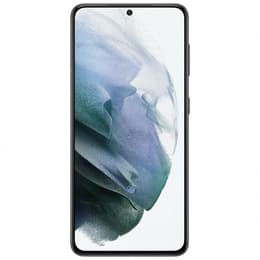
Galaxy S21 5G Vs iPhone 11
- 1-year minimum warranty
- Free delivery on all items
- Free 30-day returns
Differences at a glance
The Samsung Galaxy S21 5G, released in early 2021, and the Apple iPhone 11, launched in late 2019, represent two different generations of smartphone technology. While the Galaxy S21 5G offers modern features like 5G connectivity and a high-refresh-rate display, the iPhone 11 remains a popular choice for those who prefer the iOS ecosystem and a straightforward user experience. These devices run on Android and iOS respectively, offering distinct software environments that cater to different user habits and preferences.
Available Models
Colour
Storage (GB)
Scores
Durability
The Galaxy S21 5G and iPhone 11 differ significantly in their release timelines, which directly impacts their long-term software support and practical lifespan for the average user.
- Software Longevity: The iPhone 11, despite being the older device, benefits from a history of long-term updates, though it is naturally closer to the end of its support cycle than the newer Samsung model.
- Update Frequency: The Galaxy S21 5G was released two years after the iPhone 11, meaning it generally receives more recent security patches and modern Android features for a longer period from today.
- Repairability and Build: Both devices are constructed with glass and metal components that require professional handling for repairs, though the Galaxy S21 5G features a more modular internal design that can simplify certain component replacements.
Year of Release
2021
2019
Compatible with latest Update
Yes
Yes
OS
Android
iOS
Foldable
No
No
Performance
Everyday responsiveness and multitasking capabilities vary between these two models due to their different internal configurations and how they manage system resources.
- System Responsiveness: The Galaxy S21 5G handles demanding applications and heavy multitasking with ease, providing a fluid experience when switching between several open apps without lag.
- Battery Behaviour: Users of the iPhone 11 often report reliable battery performance for standard daily tasks, while the Galaxy S21 5G offers power management features that help the device last through a full day of mixed usage.
- Storage and Memory: The Galaxy S21 5G includes more temporary memory, which assists in keeping background tasks active, whereas the iPhone 11 relies on efficient software optimisation to maintain speed during regular use.
Screen quality
The viewing experience is one of the most noticeable differences between these two smartphones, affecting everything from reading text to watching high-definition videos.
- Display Technology: The Galaxy S21 5G uses an AMOLED screen that provides deep blacks and high contrast, while the iPhone 11 features an LCD panel that offers natural colours but lacks the same level of visual depth.
- Motion Smoothness: With a higher refresh rate, the Galaxy S21 5G makes scrolling through social media and navigating menus feel much smoother compared to the standard rate found on the iPhone 11.
- Outdoor Visibility: The Galaxy S21 5G reaches higher brightness levels, making it easier to read the screen under direct sunlight, whereas the iPhone 11 may require more shading in very bright environments.
Resolution
1080 x 2400
828 x 1792
Screen type
Dynamic AMOLED 2X
Liquid Retina IPS LCD
Audiovisual
Photography and video capabilities are central to both devices, though they approach image processing and hardware versatility with different priorities.
- Lens Versatility: The Galaxy S21 5G includes a dedicated zoom lens, allowing users to capture distant subjects with more detail, a feature that is absent on the dual-lens system of the iPhone 11.
- Low-Light Performance: Both devices perform well in evening settings, but the Galaxy S21 5G uses more modern processing to reduce grain and maintain clarity in very dark environments.
- Video and Audio: The iPhone 11 is frequently praised for its consistent video stabilisation and clear microphone pickup, making it a reliable tool for social media content and clear video calls.
Main camera
12 megapixels
12 megapixels
Front camera
10 megapixels
12 megapixels
Miscellaneous
Practical features such as connectivity standards and physical design play a major role in how these devices feel in the hand and function in daily life.
- Connectivity Standards: The Galaxy S21 5G supports the latest high-speed mobile networks, providing faster data downloads where available, while the iPhone 11 is limited to previous-generation 4G networks.
- Biometric Security: Users interact with these phones differently to unlock them; the Galaxy S21 5G uses a fingerprint sensor hidden under the glass, while the iPhone 11 relies on facial recognition technology.
- Physical Handling: The Galaxy S21 5G is slightly narrower and lighter, which may appeal to users who prefer one-handed operation, whereas the iPhone 11 has a more substantial, weighted feel due to its glass back.
Weight
169 g
194 g
Width
7.12 cm
7,57 cm
Height
15.17 cm
15,09 cm
Depth
0.79 cm
0,83 cm
Screen size (in)
6.2
6.1
Mobile network
5G
4G
SIM card
Dual Physical SIM + eSIM
Physical SIM + eSIM
Carrier compatibility
Unlocked
Unlocked
What the community thinks
User feedback from various online communities highlights the distinct strengths of both smartphones. The Galaxy S21 5G is often praised for its vibrant, smooth display and the flexibility of its triple-camera system, which includes a useful zoom feature. Conversely, the iPhone 11 receives consistent acclaim for its reliable software performance and the simplicity of the iOS interface, even several years after its initial release. Some users note that the iPhone 11's screen resolution is lower than modern standards, while others mention that the Galaxy S21 5G can become warm during intensive tasks like gaming.
Users who prioritise a modern viewing experience, 5G connectivity, and advanced camera zoom will likely find the Galaxy S21 5G to be a suitable choice for their needs. On the other hand, those who value a straightforward interface and a device that integrates seamlessly with other Apple products may lean toward the iPhone 11. Both devices remain capable options for students or professionals looking for a reliable smartphone. Choosing a quality-assured refurbished option is a sustainable choice that allows users to access these technologies while reducing electronic waste. These models provide a practical way to stay connected without needing the very latest release.