iPhone 11 Vs iPhone 8

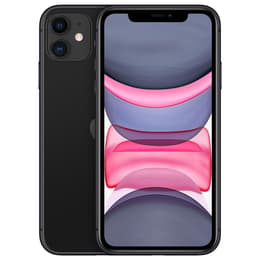
iPhone 11
iPhone 11
Starting at

£122.00

£489.00 new

See options
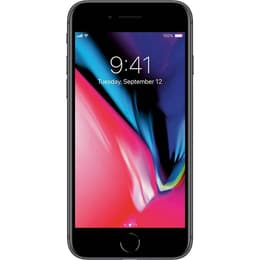
iPhone 8
iPhone 8
Starting at

£59.99

£249.00 new

See options

Ratings

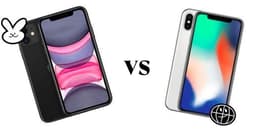
The iPhone 11, released in 2019, and the iPhone 8, launched in 2017, represent different eras of Apple's smartphone design and technology. While both run on Apple's iOS operating system, the iPhone 11 offers a more modern full-screen design, an advanced dual-camera system, and a more powerful processor, setting it apart from the iPhone 8's classic home button aesthetic and single camera.

Scores

Durability

Considering their release timelines, the practical lifespan and software support differ significantly between these two models.

  • Software Updates: The iPhone 8, released in 2017, has likely reached the end of its major iOS feature update cycle by 2026, receiving only critical security patches. The iPhone 11, from 2019, may still receive security updates for a period, but new feature updates are also winding down.
  • Practical Longevity: Users of the iPhone 8 will experience limitations with newer apps and features that require a more current iOS version. The iPhone 11 offers a slightly longer window of full compatibility with the latest apps and services.
  • Repairability: Both models offer moderate repairability, with common components like screens and batteries being replaceable. However, the availability of parts for the older iPhone 8 may become more limited over time compared to the iPhone 11.

Year of Release

2019

2017

Compatible with latest Update

Yes

No

OS

iOS

iOS

Foldable

No

No

Performance

The processing power and overall responsiveness vary considerably due to the generational gap in their internal components.

  • Everyday Tasks: The iPhone 11 handles demanding applications, multitasking, and modern games with greater fluidity thanks to its more advanced processor. The iPhone 8 can manage basic tasks and lighter apps, but may show noticeable slowdowns with more intensive use or newer software.
  • System Responsiveness: Users will find the iPhone 11 to be snappier and more responsive in general navigation, app loading, and switching between applications. The iPhone 8's older processor can lead to longer loading times and occasional stutters, especially when running multiple apps simultaneously.
  • Storage Options: Both devices were available with similar storage configurations, typically starting at 64GB. However, the iPhone 11's improved performance makes better use of its storage for app and media handling.

Memory

4 GB

2 GB

Screen quality

The display experience is a key differentiator, with the iPhone 11 offering a larger and more immersive viewing area.

  • Display Technology: Both phones feature Liquid Retina IPS LCD displays. The iPhone 11 has a larger 6.1-inch screen, while the iPhone 8 features a more compact 4.7-inch display.
  • Clarity and Brightness: The iPhone 11 offers a slightly higher resolution and pixel density, resulting in a clearer image, alongside improved brightness levels for better visibility in various lighting conditions. The iPhone 8's display is still sharp for its size but less vibrant.
  • Viewing Experience: The iPhone 11's edge-to-edge design, without a home button, provides a more expansive and modern viewing experience for media consumption and browsing compared to the iPhone 8's traditional bezels.

Resolution

828 x 1792

750 x 1334

Screen type

Liquid Retina IPS LCD

Retina IPS LCD

Audiovisual

The camera systems represent one of the most significant upgrades found in the iPhone 11.

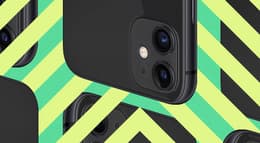
  • Camera System: The iPhone 11 features a versatile dual-camera setup with a 12MP wide lens and a 12MP ultra-wide lens, allowing for broader landscape shots. The iPhone 8 has a single 12MP wide-angle camera.
  • Photography Features: The iPhone 11 introduces Night Mode for significantly improved low-light photography and Deep Fusion for enhanced detail in medium-light conditions, features absent on the iPhone 8. Both can record 4K video at 60 frames per second.
  • Front Camera: The iPhone 11 also boasts an upgraded front camera with higher resolution and the ability to record slow-motion selfies, offering more versatility for video calls and self-portraits than the iPhone 8.

Main camera

12 megapixels

12 megapixels

Front camera

12 megapixels

7 megapixels

Miscellaneous

Beyond core performance, several practical features and design elements distinguish these two iPhones.

  • Biometric Security: The iPhone 11 utilizes Face ID for secure authentication and unlocking, while the iPhone 8 relies on the familiar Touch ID fingerprint sensor integrated into its home button.
  • Battery Life: The iPhone 11 offers substantially better battery endurance, typically lasting a full day for most users, thanks to its larger battery capacity and more efficient processor. The iPhone 8's smaller battery often requires more frequent charging, especially with heavy use.
  • Design and Durability: The iPhone 11 features a more contemporary design with a larger screen-to-body ratio and improved water resistance (IP68) compared to the iPhone 8's IP67 rating. Both have glass backs, enabling wireless charging.

Weight

194 g

148 g

Width

7,57 cm

6,73 cm

Height

15,09 cm

13,84 cm

Depth

0,83 cm

0,73 cm

Screen size (in)

6.1

4.7

Network

4G

4G

SIM card

Physical SIM + eSIM

Physical SIM

Carrier compatibility

Unlocked

Unlocked

Connector

Lightning

Lightning

The iPhone 11 and iPhone 8 cater to different user needs, primarily due to their age and the technological advancements introduced in the intervening years. Users frequently praise the iPhone 11 for its robust camera system, particularly Night Mode, and its significantly improved battery life, making it a solid choice for everyday photography and extended use without constant recharging. Common criticisms for the iPhone 11 often revolve around its LCD display, which some users find less vibrant than OLED alternatives.

The iPhone 8 is often lauded by users who prefer its compact size, the physical home button, and the reliable Touch ID sensor. However, its main drawbacks, frequently cited by users, include its limited battery life and the aging processor, which struggles with newer, more demanding applications. Its software support is also a significant consideration, as it is nearing or has passed its end-of-life for major iOS updates.

Users prioritizing a more modern iPhone experience with better camera capabilities, longer battery life, and a larger display will find the iPhone 11 to be a more suitable option. Conversely, those who prefer a smaller phone, the classic home button design, and primarily use their device for basic tasks might still find value in the iPhone 8, especially if they are comfortable with an older operating system. Opting for a quality-assured refurbished version of either model can be an eco-friendly alternative, allowing users to make an informed, sustainable choice that aligns with their budget and feature requirements.