iPhone 11 Vs iPhone 14

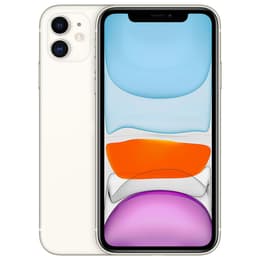
iPhone 11
iPhone 11
Starting at

Refurbished price:£123.00

Versus £489.00 new

See options
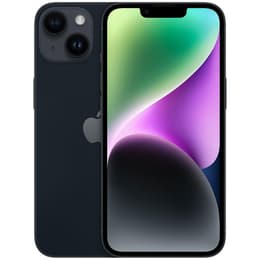
iPhone 14
iPhone 14
Starting at

Refurbished price:£229.00

Versus £599.00 new

See options

Ratings

The iPhone 11, released in 2019, and the iPhone 14, launched in 2022, represent two different eras of smartphone design and capability. While both devices continue to run the latest versions of iOS, the three-year gap between them introduces significant changes in display technology, mobile connectivity, and internal efficiency. The iPhone 11 serves as a reliable entry point into the ecosystem, whereas the iPhone 14 offers modern refinements that cater to users seeking more longevity and advanced media features.

Both models share the same user-friendly operating system, but the hardware differences dictate how smoothly that software will run over the coming years. For those evaluating these devices today, the choice often comes down to a preference for established reliability versus the latest advancements in screen and camera technology.

Scores

Durability

The timeline of release significantly impacts how long each device will remain functional with modern software and security updates.

  • Software Longevity: The iPhone 14 is expected to receive official software updates for several years beyond the iPhone 11, ensuring access to new features and security patches well into the late 2020s.
  • Physical Resilience: While both models feature glass and aluminium construction, the iPhone 14 incorporates a specialised glass coating designed to offer increased protection against drops compared to the standard glass on the iPhone 11.
  • Water Resistance: Both devices carry an IP68 rating for dust and water resistance, but the iPhone 14 is tested to withstand greater depths, providing more peace of mind for users in challenging environments.

Year of Release

2019

2022

Compatible with latest Update

Yes

Yes

OS

iOS

iOS

Foldable

No

No

Performance

Everyday usage reveals the evolution of internal hardware between these two generations, particularly in how they handle demanding tasks.

  • System Responsiveness: The iPhone 14 handles demanding applications and intensive multitasking with greater ease, showing fewer signs of slowdown when switching between high-resource programmes or editing high-resolution video.
  • Battery Efficiency: Users will notice that the iPhone 14 maintains its charge longer during typical daily activities like streaming video or navigating with GPS, thanks to more efficient internal components that manage power consumption more effectively.
  • Memory Management: With more internal memory dedicated to active tasks, the iPhone 14 can keep more apps open in the background without needing to refresh them, leading to a smoother browsing and social media experience.

Memory (GB)

4 GB

6 GB

Screen quality

The visual experience is perhaps the most immediate difference when placing these two devices side-by-side, moving from older LCD to modern OLED technology.

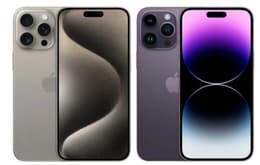
  • Display Technology: The iPhone 11 uses an LCD panel which provides natural colours, but the iPhone 14 features an OLED display that delivers much deeper blacks and a higher contrast ratio for a more immersive viewing experience.
  • Outdoor Visibility: The iPhone 14 reaches significantly higher brightness levels, making it much easier to read text or view photos when used outside under direct sunlight compared to the iPhone 11.
  • Image Clarity: With a higher pixel density, the iPhone 14 offers sharper text and finer detail in images, which is particularly noticeable when reading long articles or viewing high-resolution photography.

Resolution

828 x 1792

1170 x 2532

Screen type

Liquid Retina IPS LCD

Super Retina XDR OLED

Audiovisual

Photography and video capabilities have seen substantial updates in the three years separating these models, focusing on light capture and stability.

  • Low-Light Performance: The iPhone 14 features larger sensors that capture more light, resulting in clearer photos with less grain when shooting in dim environments or at night compared to the iPhone 11.
  • Video Stability: A dedicated stabilisation mode on the iPhone 14 allows users to capture smooth, handheld video even while moving quickly, a feature that provides a more professional look to home movies.
  • Front-Facing Camera: The iPhone 14 introduces autofocus on the selfie camera, ensuring that subjects remain sharp at various distances, whereas the iPhone 11 uses a fixed-focus lens that is less versatile for close-up shots.

Main camera

12 megapixels

12 megapixels

Front camera

12 megapixels

12 megapixels

Miscellaneous

Beyond the core specifications, several practical features and design choices distinguish the user experience of these two smartphones.

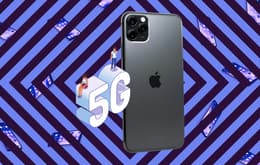
  • Mobile Connectivity: The iPhone 14 supports 5G networks, allowing for faster download speeds and better performance in crowded areas, while the iPhone 11 is limited to 4G LTE connectivity.
  • Safety Features: The newer model includes advanced sensors for crash detection and satellite-based emergency communication, providing an extra layer of security for travellers and commuters that is not available on the older model.
  • Physical Design: The iPhone 11 features a rounded frame that some find more comfortable to hold, while the iPhone 14 adopts a flat-edge design that aligns with the modern aesthetic of the current smartphone lineup.

Weight

194 g

172 g

Screen size (in)

6.1

6.1

Mobile network

4G

5G

SIM card

Physical SIM + eSIM

Physical SIM + eSIM

Carrier compatibility

Unlocked

Unlocked

Connector

Lightning

Lightning

User consensus on community forums suggests that the iPhone 11 remains a favourite for those who appreciate its ergonomic rounded edges and reliable performance for standard tasks like messaging and web browsing. However, some users note that its screen can feel less vibrant compared to modern standards and its battery may require more frequent charging after a full day of use. Conversely, the iPhone 14 receives consistent praise for its impressive battery life and the significant jump in screen quality provided by the OLED panel. Some users mention that the transition to 5G makes a noticeable difference in data-heavy environments.

Users who primarily use their phone for basic communication and social media may find the iPhone 11 perfectly adequate for their needs. Those who frequently watch high-definition video, play mobile games, or require the fastest possible mobile data will likely find the iPhone 14 more suitable for their lifestyle. Choosing a quality-assured refurbished option for either model is an eco-friendly alternative that supports a more sustainable approach to technology. Ultimately, the decision rests on whether a user prioritises the latest safety and display features or a straightforward, dependable device for everyday use. Both devices remain capable choices in the current landscape, with the iPhone 14 offering a longer path of future compatibility for those making a sustainable choice for the long term.
See all articles

Our recent comparisons