
Compare models

iPhone 14 Vs iPhone 17 Pro

  • 1-year minimum warranty
  • Free delivery on all items
  • Free 30-day returns
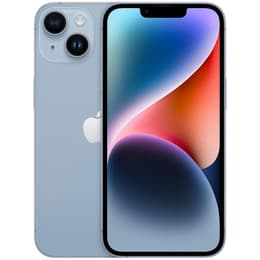
iPhone 14
Starting at

Refurbished price:£243.00

Versus £599.00 new

See options
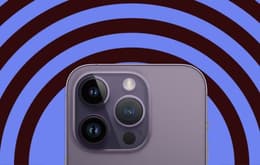
iPhone 17 Pro
Starting at

Refurbished price:£954.75

Versus £1,099.00 new

See options

Differences at a glance

The iPhone 14 (2022) and the iPhone 17 Pro (2025) represent different generations of Apple's smartphone lineup, separated by three years of hardware development. While both devices run on Apple's iOS ecosystem, they target different user needs through distinct processing architectures, camera capabilities, and display technologies. Choosing between them involves weighing standard daily convenience against advanced processing power and specialized photographic tools.

Available Models

Colour

Storage (GB)

Scores

Durability

When examining hardware longevity and software support, both devices offer multi-year lifespans, though their release timelines place them at different stages of their life cycle.

    Release timeline and support: The iPhone 14 launched in 2022, while the iPhone 17 Pro arrived in 2025, meaning the newer model benefits from an extended software support window and longer ongoing update viability.
    Repairability and build: Both models feature durable water-resistant housings, though the iPhone 17 Pro incorporates updated materials designed to handle demanding thermal loads and daily wear more efficiently over time.

Year of Release

2022

2025

Performance

Daily operation and multitasking capabilities vary significantly based on the internal components housed within each device generation.

    Storage and memory: The iPhone 14 offers baseline storage configurations paired with standard memory capacity, whereas the iPhone 17 Pro provides higher starting storage tiers and larger memory allocations designed to handle heavy multi-app usage smoothly.
    System responsiveness: Everyday tasks open quickly on both phones, but the iPhone 17 Pro maintains higher frame stability during intensive tasks like 3D gaming or advanced background processing due to its active thermal management and newer architecture.
    Battery behavior: The iPhone 17 Pro incorporates a larger energy capacity and power-efficient internal components, allowing it to sustain long periods of heavy use without requiring a recharge, compared to the more moderate battery endurance of the iPhone 14.

Screen quality

Visual clarity and display responsiveness differ notably, affecting outdoor usability and media consumption.

    Display technology: Both models utilize OLED panels with deep blacks and vibrant colors, but the iPhone 17 Pro adds an adaptive refresh rate technology that scales smoothly up to 120Hz for fluid scrolling.
    Brightness and outdoor use: The iPhone 17 Pro features a significantly higher peak outdoor brightness level, making screen contents easier to read in direct sunlight compared to the iPhone 14.
    Screen size: The iPhone 14 features a standard 6.1-inch display, while the iPhone 17 Pro expands slightly to a 6.3-inch viewing area with narrower borders around the glass.

Audiovisual

Photography and video capture configurations reflect the specialized imaging hardware built into each smartphone generation.

    Camera systems: The iPhone 14 utilizes a dual-lens setup suitable for everyday snapshots and casual wide-angle shots, whereas the iPhone 17 Pro features a triple-lens system with high-resolution sensors across all focal lengths for detailed zoom and macro photography.
    Low-light and video performance: The iPhone 17 Pro captures sharper details in dim environments and supports advanced professional video recording formats, while the iPhone 14 handles standard 4K video recording reliably for casual creators.
    Audio output: Both devices deliver clear stereo sound during media playback, though the iPhone 17 Pro provides a slightly wider soundstage and more robust microphone clarity during calls.

Miscellaneous

Practical physical attributes and connectivity standards shape the everyday handling experience of each phone.

    Connectivity and ports: The iPhone 14 relies on a Lightning connector and standard 5G modems, whereas the iPhone 17 Pro adopts the universal USB-C standard for wired data transfer alongside faster wireless networking capabilities.
    Physical dimensions: The iPhone 14 is slightly lighter and easier to pocket, while the iPhone 17 Pro carries additional weight due to its more complex camera arrays and unibody internal structure.
    Security features: Both models use secure facial recognition sensors embedded near the top of the display for device unlocking and authorization.

Screen size (in)

6.1

6.3

Mobile network

5G

5G

SIM card

Physical SIM + eSIM

Physical SIM + eSIM

Carrier compatibility

Unlocked

Unlocked

Connector

Lightning

USB-C

What the community thinks

User feedback from online forums highlights distinct preferences for each device. Owners of the iPhone 14 frequently praise its lightweight handling, reliable daily performance, and straightforward user experience. Conversely, users favor the iPhone 17 Pro for its exceptional display fluidity, extended battery longevity under heavy workloads, and versatile camera system. Common criticisms for the older model center around moderate battery endurance and standard screen refresh rates, while the newer model occasionally draws notes regarding its heavier physical footprint in the hand.

Users prioritizing general messaging, casual media browsing, and a lightweight feel will find the iPhone 14 well-suited to their daily routine. Meanwhile, users prioritizing advanced mobile gaming performance, professional-grade photography tools, and long periods away from a charger may lean toward the iPhone 17 Pro. For those seeking an eco-friendly, quality-assured alternative, opting for a quality-assured refurbished option provides a sustainable way to acquire either device without compromising on functional reliability.