iPhone 13 Pro Vs iPhone 14

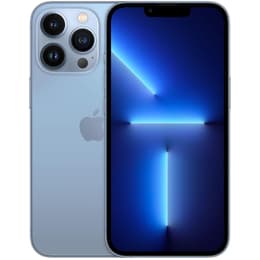
iPhone 13 Pro
iPhone 13 Pro
Starting at

Refurbished price:£232.00

Versus £949.00 new

See options
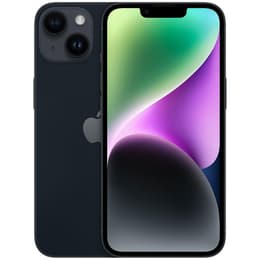
iPhone 14
iPhone 14
Starting at

Refurbished price:£229.00

Versus £599.00 new

See options

Ratings

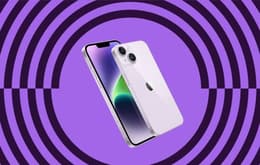
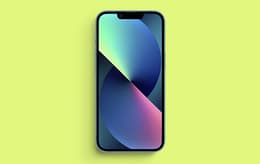
The iPhone 13 Pro, released in September 2021, and the iPhone 14, launched in September 2022, represent different tiers within Apple's smartphone offerings. While both devices share a similar design language and operate on the same core software, they diverge in key areas such as display technology, camera capabilities, and build materials. The iPhone 13 Pro, as a 'Pro' model from the previous generation, offers certain advanced features that the standard iPhone 14 does not, while the iPhone 14 introduces new safety functionalities.

Scores

Durability

When considering the practical lifespan of these devices, several factors come into play, including their release timelines, software support, and physical construction.

  • Release Timeline: The iPhone 13 Pro was released in September 2021, making it a year older than the iPhone 14, which launched in September 2022. This difference in release date directly impacts the duration of software support each device is likely to receive.
  • Software Longevity: Both models are expected to receive iOS updates for several years. However, the iPhone 14, being the newer device, will likely benefit from one additional year of major iOS updates compared to the iPhone 13 Pro, extending its software longevity.
  • Build Materials: The iPhone 13 Pro features a stainless steel frame, which offers a robust feel, while the iPhone 14 uses an aerospace-grade aluminum frame. Both devices incorporate a Ceramic Shield front cover for enhanced drop protection and are rated IP68 for water and dust resistance, indicating similar levels of protection against environmental elements.
  • Repairability: Both the iPhone 13 Pro and iPhone 14 have received similar repairability assessments, often noted as challenging for third-party repairs due to Apple's design and software integrations.

Year of Release

2021

2022

Compatible with latest Update

Yes

Yes

OS

iOS

iOS

Foldable

No

No

Performance

The performance of a smartphone is crucial for daily tasks, from launching applications to managing multiple processes simultaneously. Both the iPhone 13 Pro and iPhone 14 deliver capable performance, though with subtle distinctions.

  • Processor Capabilities: Both devices are powered by the A15 Bionic chip. The iPhone 13 Pro features the version of the A15 Bionic with a 5-core GPU, which is the same configuration found in the iPhone 14. This means both phones offer comparable processing power for demanding applications and graphics-intensive tasks.
  • System Responsiveness: Users can expect smooth app loading, fluid navigation, and efficient multitasking on both models. The 6GB of RAM in both devices contributes to their ability to handle multiple applications running in the background without significant slowdowns.
  • Storage Options: The iPhone 13 Pro was available with storage capacities ranging from 128GB up to 1TB, offering extensive space for media and applications. The iPhone 14 comes with options from 128GB to 512GB.

Memory (GB)

6 GB

6 GB

Screen quality

The display is a primary interface for smartphone interaction, and both the iPhone 13 Pro and iPhone 14 feature high-quality screens, albeit with one significant difference.

  • Display Technology and Resolution: Both models feature a 6.1-inch Super Retina XDR OLED display, offering vibrant colors, deep blacks, and excellent contrast. They share a resolution of 2532 x 1170 pixels at approximately 460 pixels per inch (ppi), ensuring sharp text and clear images.
  • Refresh Rate: A key differentiator is the refresh rate. The iPhone 13 Pro includes ProMotion technology, which provides an adaptive refresh rate that can scale from 10Hz to 120Hz. This results in smoother scrolling and more responsive interactions, particularly noticeable in gaming and fast-paced content. The iPhone 14, however, features a standard 60Hz refresh rate.
  • Brightness Levels: Both displays offer a typical maximum brightness of 800 nits and can reach up to 1200 nits for HDR content, providing good visibility even in bright outdoor conditions.

Resolution

1170 x 2532

1170 x 2532

Screen type

Super Retina XDR OLED

Super Retina XDR OLED

Audiovisual

Both the iPhone 13 Pro and iPhone 14 offer advanced camera systems capable of capturing high-quality photos and videos, though their approaches and specific features differ.

  • Rear Camera Systems: The iPhone 13 Pro features a versatile triple 12MP camera system, including a Wide, Ultra Wide, and Telephoto lens. It offers 3x optical zoom in and 2x optical zoom out, along with a LiDAR scanner for improved low-light focusing and augmented reality. The iPhone 14 has a dual 12MP camera system, comprising a Main (Wide) and Ultra Wide lens. The iPhone 14's Main camera benefits from a larger sensor and a wider aperture (f/1.5) inherited from the iPhone 13 Pro, enhancing low-light performance.
  • Photography and Video Features: The iPhone 13 Pro supports ProRes video recording, a professional video format, and offers macro photography capabilities through its Ultra Wide lens. The iPhone 14 introduces the Photonic Engine for improved computational photography in mid-to-low light and Action mode for enhanced video stabilization. Both models feature Cinematic mode for video with shallow depth of field and Night mode for low-light photography.
  • Front Camera: The iPhone 14 features an improved TrueDepth front camera with autofocus and a larger aperture (f/1.9), leading to better low-light selfies and video calls. The iPhone 13 Pro's front camera is also 12MP with a f/2.2 aperture.

Main camera

12 megapixels

12 megapixels

Front camera

12 megapixels

12 megapixels

Miscellaneous

Beyond the core features, several other aspects contribute to the overall user experience and practical utility of these smartphones.

  • Connectivity: Both devices support 5G cellular connectivity and Wi-Fi 6 for fast wireless internet. The iPhone 14 features Bluetooth 5.3, a slight upgrade from the iPhone 13 Pro's Bluetooth 5.0, potentially offering minor improvements in wireless accessory connectivity and efficiency.
  • Physical Design and Handling: The iPhone 13 Pro, with its stainless steel frame, weighs 204 grams. The iPhone 14, with its aluminum frame, is lighter at 172 grams, which might be a consideration for users who prefer a less weighty device. Both maintain a similar physical footprint.
  • Safety Features: The iPhone 14 introduces new safety features such as Crash Detection, which can automatically alert emergency services after a severe car crash, and Emergency SOS via Satellite, allowing users to contact emergency services outside of cellular and Wi-Fi coverage (availability varies by region).
  • Ports and Biometrics: Both models continue to use the Lightning port for charging and data transfer. They both rely on Face ID for secure facial recognition.

Weight

203 g

172 g

Screen size (in)

6.1

6.1

Mobile network

5G

5G

SIM card

Physical SIM + eSIM

Physical SIM + eSIM

Carrier compatibility

Unlocked

Unlocked

Connector

Lightning

Lightning

Choosing between the iPhone 13 Pro and iPhone 14 involves weighing specific priorities, as each device offers a distinct set of advantages. User feedback often highlights the iPhone 13 Pro's ProMotion display as a significant draw, providing a noticeably smoother visual experience, particularly for those who frequently scroll or engage with dynamic content. Its dedicated telephoto lens and ProRes video capabilities are also frequently praised by users interested in more advanced photography and videography.

On the other hand, the iPhone 14 is often noted for its improved low-light photography, thanks to the Photonic Engine, and its enhanced front-facing camera with autofocus, which is beneficial for selfies and video calls. The introduction of new safety features like Crash Detection and Emergency SOS via Satellite are also significant additions that appeal to users prioritizing personal safety.

Users prioritizing a highly fluid display and a more versatile camera system with optical zoom and professional video formats may find the iPhone 13 Pro better suited to their needs. Conversely, individuals who value the latest safety innovations, improved low-light performance in everyday photography, and a slightly lighter device might lean towards the iPhone 14. Both devices offer robust performance for daily use, with the iPhone 14 likely receiving software updates for a slightly longer period due to its newer release. For those seeking a quality-assured refurbished option, both models present an eco-friendly alternative to purchasing new, allowing for informed and sustainable choices.

See all articles

Our recent comparisons