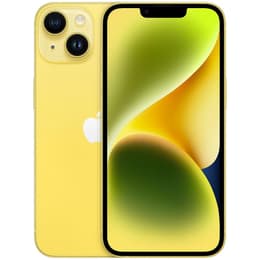
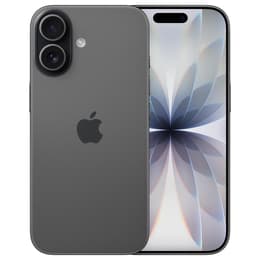

iPhone 14 Vs iPhone 17

iPhone 14
iPhone 14
Starting at

Refurbished price:£229.00

Versus £599.00 new

See options
iPhone 17
iPhone 17
Starting at

Refurbished price:£689.00

Versus £799.00 new

See options

Ratings

The iPhone 14, released in 2022, and the iPhone 17, launched in 2026, represent two different eras of smartphone development. While both devices share the foundational design language established by Apple, the four-year gap between them introduces significant changes in connectivity, display technology, and internal capabilities. The iPhone 14 serves as a reliable entry point into the modern ecosystem, whereas the iPhone 17 incorporates the latest advancements in hardware efficiency and interface responsiveness.

Both smartphones run on the iOS platform, though the iPhone 17 arrives with a much newer version out of the box. The primary differentiators for users to consider are the transition from Lightning to USB-C charging ports and the evolution of screen fluidity. This comparison explores how these two generations handle daily tasks, photography, and long-term utility to help you decide which model aligns with your specific needs.

Scores

Durability

When evaluating how long a device will remain functional and secure, the release date plays a pivotal role in determining the remaining window for software updates and hardware relevance.

  • Software Longevity: The iPhone 14 is expected to receive official operating system updates until approximately 2028 or 2029, whereas the iPhone 17 is projected to remain supported well into the early 2030s. This makes the newer model a more suitable choice for users who intend to keep their device for five years or more.
  • Repairability and Maintenance: The iPhone 17 features an updated internal architecture designed to meet modern standards for easier component replacement. While the iPhone 14 is widely serviceable, choosing a quality-assured refurbished option for either model ensures that the device has been professionally inspected for continued reliability.
  • Build Durability: Both models utilise toughened glass and aluminium frames, but the iPhone 17 benefits from refined material science that offers improved resistance to scratches and minor impacts compared to the 2022 generation.

Year of Release

2022

2025

Compatible with latest Update

Yes

Yes

OS

iOS

iOS

Foldable

No

No

Performance

The gap in release years results in a noticeable difference in how these devices manage demanding applications and system-wide multitasking.

  • Daily Responsiveness: The iPhone 14 handles standard tasks like web browsing, social media, and video streaming with ease. However, the iPhone 17 provides a more fluid experience when switching between multiple heavy applications, as its newer internal hardware is designed to manage the increased data demands of 2026-era software.
  • Battery Efficiency: While both devices are designed to last through a full day of typical use, the iPhone 17 utilises more efficient power management technology. This allows it to maintain consistent performance during intensive tasks, such as high-definition video editing or gaming, without the same level of heat generation seen in older models.
  • Future-Proofing: Users who frequently use augmented reality apps or complex productivity tools will find the iPhone 17 offers more performance headroom, ensuring the interface remains snappy as apps become more resource-intensive over time.

Memory (GB)

6 GB

8 GB

Screen quality

The display is the primary interface for any smartphone, and the transition from the iPhone 14 to the iPhone 17 marks a significant shift in visual technology.

  • Motion Smoothness: The iPhone 14 features a standard 60Hz refresh rate, which is functional for most content. In contrast, the iPhone 17 introduces a higher refresh rate across the base lineup, resulting in much smoother scrolling and more responsive touch inputs that are immediately noticeable during everyday navigation.
  • Outdoor Visibility: The iPhone 17 display is capable of reaching higher peak brightness levels than the iPhone 14. This makes the screen significantly easier to read when used in direct sunlight or bright outdoor environments, where older displays might appear washed out.
  • Display Technology: Both devices use OLED panels that provide deep blacks and vibrant colours. However, the iPhone 17 incorporates a more advanced panel that reduces power consumption when viewing static images, contributing to better overall efficiency without sacrificing visual clarity.

Resolution

1170 x 2532

2622x1206

Screen type

Super Retina XDR OLED

Super Retina XDR

Audiovisual

Photography and video capabilities have evolved to focus more on sensor size and light processing rather than just megapixel counts.

  • Low-Light Performance: The iPhone 17 features a larger main sensor compared to the iPhone 14, allowing it to capture more light in dim environments. This results in clearer evening photos with less digital noise and more natural skin tones in challenging lighting conditions.
  • Video Stability: While the iPhone 14 introduced impressive stabilisation features, the iPhone 17 refines this further with improved electronic processing. This ensures that handheld videos appear steady and professional, even when the user is walking or moving quickly.
  • Detail and Clarity: The newer camera system in the iPhone 17 captures a higher level of fine detail, which is particularly beneficial for users who like to crop their photos or print them in larger formats. The ultra-wide lens also shows less distortion at the edges compared to the 2022 model.

Main camera

12 megapixels

48 megapixels

Front camera

12 megapixels

18 megapixels

Miscellaneous

Practical hardware features and connectivity standards often dictate the convenience of a device in a user's existing ecosystem.

  • Charging and Connectivity: The most significant physical change is the port type; the iPhone 14 uses the proprietary Lightning connector, while the iPhone 17 adopts the universal USB-C standard. This allows iPhone 17 users to use the same cables as most modern laptops, tablets, and other electronics.
  • Wireless Standards: The iPhone 17 supports newer Wi-Fi and Bluetooth standards, providing more stable connections in crowded areas and faster data transfer speeds when used with compatible routers.
  • Biometrics and Sensors: Both devices utilise Face ID for secure unlocking and payments. However, the iPhone 17 features a more compact sensor housing at the top of the screen, providing a slightly larger usable display area and faster recognition speeds in various angles.

Weight

172 g

177 g

Screen size (in)

6.1

6.3

Mobile network

5G

5G

SIM card

Physical SIM + eSIM

Physical SIM + eSIM

Carrier compatibility

Unlocked

Unlocked

Connector

Lightning

USB-C

Choosing between the iPhone 14 and the iPhone 17 depends largely on your requirements for longevity and modern standards. Based on common user feedback found in technology forums, the iPhone 14 is frequently praised for its reliability and its ability to handle all essential smartphone functions without complication. It remains a practical choice for those who prefer a familiar interface and do not require the latest hardware advancements. On the other hand, users of the iPhone 17 often highlight the smoothness of the high-refresh-rate screen and the convenience of USB-C charging as transformative upgrades for their daily routines.

Users who prioritise a device that will remain current for the maximum number of years, or those who frequently use their phone for photography and high-end gaming, will likely find the iPhone 17 aligns better with their priorities. Conversely, users who seek a straightforward, dependable smartphone for communication and media consumption may find the iPhone 14 more than sufficient for their needs. Opting for an eco-friendly alternative through a sustainable choice like refurbishment allows you to access these technologies while contributing to a more circular electronics economy. Ultimately, both devices offer the core experience expected from a modern smartphone, with the iPhone 17 simply providing a more future-ready foundation.


See all articles

Our recent comparisons