
iPhones
Compare models
Differences at a glance
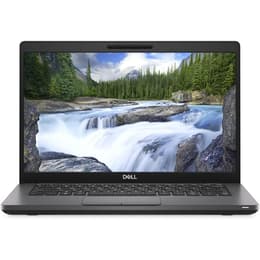
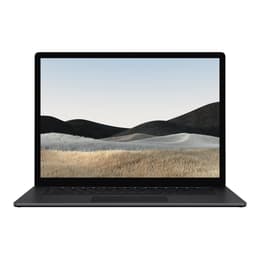
The Dell Latitude 5400 14 (released mid-2019) and the Microsoft Surface Laptop 4 13 (released April 2021) are both Windows-based laptops designed for productivity, yet they cater to slightly different user priorities. The Latitude 5400 emphasizes business-grade durability and extensive connectivity, while the Surface Laptop 4 focuses on a refined user experience with a premium design and a high-resolution display. Both devices run on the Windows operating system, offering a familiar software environment.
Storage
Processor
Memory
The Dell Latitude 5400, launched in mid-2019, is built with a focus on business-grade resilience, featuring a carbon fiber composite chassis that has undergone MIL-STD-810G testing for durability. This construction is designed to withstand daily wear and tear, making it suitable for users who frequently travel or work in varied environments. The Latitude 5400 generally offers good repairability, with accessible RAM slots and a removable M.2 SSD, which can contribute to a longer practical lifespan through upgrades and easier maintenance. It supports Windows 10 and is compatible with Windows 11, extending its software longevity.
In contrast, the Microsoft Surface Laptop 4, released in April 2021, features a sleek aluminum casing with options for an Alcantara or metal keyboard deck, providing a premium feel. While its build quality is high, its repairability is more challenging due to glued components, and the SSD is designed to be removable by technicians only. This design choice can impact the ease and cost of long-term maintenance and upgrades. The Surface Laptop 4 also runs Windows 10 and is upgradeable to Windows 11, ensuring current software support.
Year of Release
OS
Both laptops are equipped to handle everyday productivity tasks, but they differ in their underlying hardware generations and real-world responsiveness. The Dell Latitude 5400 features 8th Generation Intel Core processors, which provide solid performance for typical office applications, multitasking, and web browsing. Its dual RAM slots allow for significant memory upgrades, supporting smoother operation with multiple applications open. The battery life on the Latitude 5400 is notable, with some configurations offering over 13 hours of web surfing on a single charge, making it suitable for extended use away from power outlets.
The Microsoft Surface Laptop 4, being a newer device, incorporates 11th Generation Intel Core processors or AMD Ryzen Surface Edition processors, delivering quicker speeds and enhanced efficiency for demanding tasks. Users can expect a highly responsive system, capable of handling numerous browser tabs, streaming media, and image editing without significant slowdowns. While its battery life is strong, typically around 10-11 hours in real-world web browsing tests, it may not match the longest-lasting configurations of the Latitude 5400.
Graphic card
The visual experience on these two laptops presents distinct characteristics, primarily influenced by their display technologies and resolutions. The Dell Latitude 5400 typically comes with a 14-inch Full HD (1920x1080) IPS display, often with an anti-glare finish. While this resolution is adequate for productivity tasks like spreadsheets and document creation, its brightness levels, often around 220 nits, and color reproduction are generally considered modest. This means it performs well in office environments but may appear dim or less vibrant for multimedia consumption or outdoor use.
In contrast, the Microsoft Surface Laptop 4 features a 13.5-inch PixelSense display with a higher resolution of 2256 x 1504 pixels and a 3:2 aspect ratio, offering more vertical screen real estate. This display is known for its vivid colors, excellent contrast, and brightness levels typically ranging from 349 to 400 nits, making it well-suited for media consumption and tasks requiring color accuracy. The touch-enabled screen also adds an interactive element not always present on the Latitude 5400.
Resolution
Screen type
The audio and visual capabilities of these laptops reflect their primary design intentions. The Dell Latitude 5400 is equipped with a 720p webcam, which is functional for video conferencing but can produce grainy images, especially in low-light conditions. It includes a physical privacy shutter for the webcam, a useful security feature. The stereo speakers are generally described as average, suitable for basic audio playback but not designed for a rich multimedia experience. Microphone quality is adequate for calls.
The Microsoft Surface Laptop 4 also features a 720p webcam, but it is often noted for performing better than many competitors in video calls, providing clearer images. It integrates Windows Hello facial recognition for convenient and secure login. The speakers on the Surface Laptop 4 are described as loud and clear, with reasonable bass for a laptop, contributing to a more enjoyable media consumption experience. Its microphones are also considered better than average for video conferencing.
Practical elements such as connectivity, physical design, and additional features distinguish these two devices. The Dell Latitude 5400 offers a comprehensive array of ports, including multiple USB-A ports, an HDMI port, an RJ-45 Ethernet port, a microSD card reader, and an optional Thunderbolt 3 port via USB-C. This extensive selection caters to a wide range of peripherals without needing adapters. It supports Wi-Fi 5 and Bluetooth 5.0, with optional 4G LTE connectivity. Weighing around 1.48 kg (3.26 lbs), it is reasonably portable for a 14-inch business laptop.
The Microsoft Surface Laptop 4, designed for a minimalist aesthetic, has a more limited port selection, featuring one USB-C port, one USB-A port, a 3.5mm headphone jack, and a Surface Connect port. It lacks an Ethernet port, an SD card reader, and Thunderbolt support, which might necessitate dongles for some users. It supports Wi-Fi 6 and Bluetooth 5, offering more modern wireless standards. With a weight of approximately 1.25 kg (2.76 lbs), it is lighter and thinner than the Latitude 5400, enhancing its portability.
Weight
Screen size
The Dell Latitude 5400 and the Microsoft Surface Laptop 4 13 each offer distinct advantages, making them suitable for different user needs. The Latitude 5400 is frequently praised for its robust build quality, extensive port selection, and long battery life, making it a reliable workhorse for business and productivity tasks. Its upgradeable RAM and storage contribute to practical longevity. Criticisms often point to its bland design and a display that is considered dim and less vibrant for multimedia.
Conversely, the Surface Laptop 4 is lauded for its premium, sleek design, high-resolution PixelSense display, and excellent keyboard and trackpad, providing a refined user experience. Its performance is strong for everyday tasks and moderate workloads, and its webcam and speakers are generally well-regarded. However, frequent criticisms include its limited port selection, lack of Thunderbolt support, and challenging repairability due to its integrated design.
Users prioritizing a highly durable laptop with extensive connectivity options, user-upgradeable components, and exceptional battery life for prolonged work sessions may find the Dell Latitude 5400 well-suited. Individuals who value a premium aesthetic, a vibrant high-resolution display for media and detailed work, a superior typing experience, and a lighter, more portable form factor might lean towards the Microsoft Surface Laptop 4. Both models are available as quality-assured refurbished options, providing a sustainable choice for consumers.