Dell Latitude 5400 14" Vs Microsoft Surface Laptop 3 13"

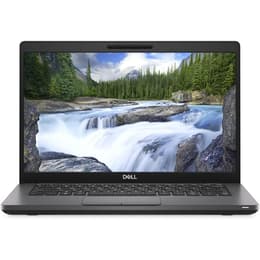
Dell Latitude 5400 14"
Starting at

Refurbished price:£171.00

Versus £1,427.00 new

See options
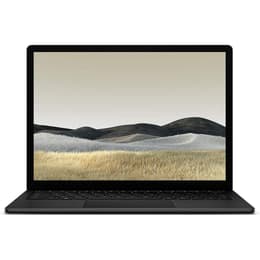
Microsoft Surface Laptop 3 13"
Starting at

Refurbished price:£215.00

Versus £598.29 new

See options

Ratings

The Dell Latitude 5400 14 and the Microsoft Surface Laptop 3 13 are both laptops released in 2019, offering distinct approaches to portable computing. While the Latitude 5400 is designed as a robust business-oriented device, the Surface Laptop 3 emphasizes a premium user experience with a sleek design. Both run on the Windows operating system, providing a familiar software environment for most users.

Scores

Durability

When considering the long-term usability of these devices, several factors come into play, including their initial release and ongoing support.

  • Release Timeline: Both laptops were released in 2019, meaning they have a similar starting point for their lifecycle.
  • OS Support: Both devices originally shipped with Windows 10 and are compatible with Windows 11, extending their software support into the future.
  • Repairability: The Dell Latitude 5400 offers easier access for internal upgrades and repairs, featuring two RAM slots and a removable M.2 SSD. In contrast, the Surface Laptop 3's RAM is soldered, and while its SSD is technically removable, it requires a skilled technician.

Year of Release

2017

2019

OS

Windows 11

Windows 11

Performance

The performance of these laptops caters to different user expectations, primarily influenced by their internal components and design philosophy.

  • Processor Capabilities: The Dell Latitude 5400 typically features 8th generation Intel Core processors, providing solid performance for everyday business applications and multitasking. The Surface Laptop 3, on the other hand, incorporates 10th generation Intel Core processors, which generally offer improved efficiency and graphics performance for smoother daily tasks and some light creative work.
  • Multitasking and Responsiveness: The Latitude 5400 can be configured with up to 32GB or 64GB of DDR4 RAM, allowing for extensive multitasking and handling numerous applications simultaneously. The Surface Laptop 3 is available with 8GB or 16GB of LPDDR4x RAM, which is sufficient for most productivity tasks but offers less headroom for very demanding workflows compared to higher-end Latitude configurations.
  • Storage Options: Both models offer fast SSD storage, ensuring quick boot times and application loading. The Latitude 5400 also has options for larger capacity SSDs and even a 2.5-inch SATA drive.

Memory (GB)

8 GB

8 GB

Processor

Core i5 - Gen 8 (U)

Core i5 - Gen 10 (G7)

Graphic card

Integrated Graphics

Integrated Graphics

Screen quality

The visual experience on these laptops differs significantly due to their display technologies and design choices.

  • Display Technology and Resolution: The Dell Latitude 5400 offers a 14-inch display, with options for HD or Full HD resolutions, often featuring an anti-glare finish. The Microsoft Surface Laptop 3 features a 13.5-inch PixelSense display with a higher resolution of 2256 x 1504 pixels and a 3:2 aspect ratio, providing a sharper image and more vertical screen space.
  • Brightness and Clarity: The Latitude 5400's display has been noted by some users as being less bright and vibrant, with typical brightness around 220 nits, which might be a consideration for outdoor use. The Surface Laptop 3's display is generally brighter, reaching around 348 nits, and offers vivid colors, though its glossy finish can lead to reflections in bright environments.
  • Touch Functionality: The Surface Laptop 3 includes a touch-enabled display as a standard feature, enhancing interaction with Windows. The Latitude 5400 offers touch functionality as an optional upgrade.

Audiovisual

For communication and media consumption, both laptops provide essential audio and visual components.

  • Camera System: Both devices include an HD webcam for video calls. The Dell Latitude 5400 offers an optional IR camera for Windows Hello facial recognition and a physical privacy shutter for the webcam. The Surface Laptop 3 also supports Windows Hello face authentication.
  • Audio Experience: The Surface Laptop 3 features Omnisonic Speakers with Dolby Audio, providing a clear and immersive sound experience for media consumption. The Latitude 5400's speakers are generally considered adequate for business use but not a standout feature.
  • Microphone Quality: The Surface Laptop 3 incorporates dual far-field Studio Mics, designed to pick up voices clearly during calls.

Miscellaneous

Beyond core performance and display, several practical elements differentiate these two laptops in daily use.

  • Connectivity Options: The Dell Latitude 5400 offers a comprehensive range of ports, including multiple USB-A ports, HDMI, RJ-45 Ethernet, and a microSD card reader, with an optional Thunderbolt 3 port on its USB-C. The Microsoft Surface Laptop 3 has a more minimalist port selection, featuring one USB-C (without Thunderbolt 3 support), one USB-A, a headphone jack, and a Surface Connect port.
  • Build Materials and Portability: The Latitude 5400 features a durable, business-focused design, often utilizing a carbon fiber composite, and is MIL-STD 810G tested for resilience. The Surface Laptop 3 boasts a premium aluminum chassis, with some configurations offering an Alcantara keyboard deck, contributing to its sleek and refined aesthetic. The Surface Laptop 3 is also lighter, starting at 1.25 kg, compared to the Latitude 5400's starting weight of 1.48 kg.
  • Security Features: The Latitude 5400 includes a fingerprint reader integrated into the power button and optional SmartCard readers, alongside its optional IR camera.

Weight

1520 g

3000 g

Screen size

14

13

The Dell Latitude 5400 and Microsoft Surface Laptop 3 13, both released in 2019, cater to different user priorities. Users often praise the Latitude 5400 for its robust build quality, extensive port selection, and exceptional battery life, making it a reliable workhorse for professionals and students who need a dependable device for long hours. However, some users note its design can appear less modern and its display less vibrant compared to competitors.

The Surface Laptop 3 is frequently lauded for its elegant design, sharp and vivid touchscreen display, and comfortable keyboard, appealing to those who value aesthetics and a premium user experience. Criticisms often point to its more limited port selection, the glossy nature of its screen, and the soldered RAM, which restricts future upgrades.

Users prioritizing durability, extensive connectivity, and upgradeability for demanding business or academic environments may find the Dell Latitude 5400 better suited to their needs. Conversely, individuals who value a sleek design, a high-resolution touchscreen, and a more portable form factor for everyday productivity and media consumption might lean towards the Microsoft Surface Laptop 3. Both models offer a quality-assured refurbished option, providing an eco-friendly alternative for those seeking reliable performance.

See all articles

Our recent comparisons