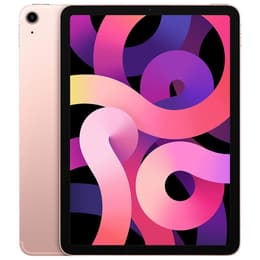

Galaxy Tab S8 (11.0", 2022) Vs iPad Air 4 (2020, A14 series)

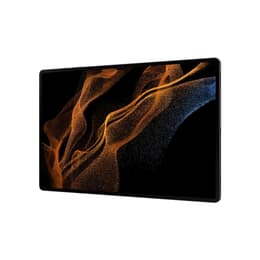
Galaxy Tab S8 (11.0", 2022)
Starting at

Refurbished price:£262.00

Versus £745.19 new

See options
iPad Air 4 (2020, A14 series)
Starting at

Refurbished price:£215.00

Versus £579.00 new

See options

Ratings

The Samsung Galaxy Tab S8, released in February 2022, and the Apple iPad Air (4th generation), launched in October 2020, are both prominent tablet devices designed for productivity and entertainment. While the Galaxy Tab S8 operates on Android with Samsung's One UI, the iPad Air runs on Apple's iPadOS. The primary distinctions between these two tablets lie in their operating system ecosystems, display technologies, and accessory integration, catering to different user preferences and workflows.

Scores

Durability

When considering the long-term usability of a tablet, factors like release timeline, software support, and repairability are key. The Galaxy Tab S8, being a newer device, generally offers a longer runway for software updates compared to the iPad Air (2020).

  • Release Timeline: The Galaxy Tab S8 was released in February 2022, while the iPad Air (2020) launched in October 2020, giving the Tab S8 a nearly 1.5-year advantage in terms of its market introduction.
  • OS Support: Samsung has committed to providing four Android OS upgrades and five years of security updates for the Galaxy Tab S8 series, starting from its Android 12 launch. Apple typically provides iPadOS updates for 5-6 years from a device's release, meaning the iPad Air (2020) is nearing the latter half of its expected major OS update cycle.
  • Practical Lifespan: Both devices are built with durable materials, with the Galaxy Tab S8 featuring an Armor Aluminum frame designed for increased scratch and bend resistance. The iPad Air (2020) also features a robust aluminum unibody design. Users can expect several years of reliable performance from either tablet, with the Galaxy Tab S8 potentially offering extended software longevity due to its more recent release.

Year of Release

2022

2020

Compatible with latest Update

Yes

Yes

OS

Android

iPadOS

Performance

Performance is a critical aspect for tablets, influencing everything from app responsiveness to multitasking capabilities. Both devices are equipped with capable internal components, but their real-world performance can differ based on their respective operating systems and hardware architectures.

  • Processing Power: The Galaxy Tab S8 is powered by a current-generation processor, enabling smooth handling of demanding applications, efficient multitasking, and responsive gaming experiences. The iPad Air (2020) features Apple's A14 Bionic chip, which provides robust performance for a wide range of tasks, from complex image editing to graphically intensive games, ensuring a fluid user experience.
  • Multitasking and Responsiveness: Both tablets offer sufficient RAM to manage multiple applications simultaneously without significant slowdowns. The Galaxy Tab S8's Android operating system, combined with Samsung's DeX mode, allows for a desktop-like multitasking environment. The iPad Air (2020) benefits from iPadOS's optimized app ecosystem, providing a highly responsive interface for everyday use and creative workflows.
  • Storage and Battery Behavior: The Galaxy Tab S8 offers storage options of 128GB or 256GB, with the added flexibility of microSD card expansion up to 1TB. Its 8000mAh battery can provide around 12-13 hours of web surfing or 7.5 hours of video streaming, with support for 45W fast charging. The iPad Air (2020) comes with 64GB or 256GB of internal storage, without expansion capabilities. Its battery typically lasts for about 10 to 10.5 hours during web browsing or video playback, and it supports 20W wired charging.

Memory (GB)

8 GB

4 GB

Screen quality

The visual experience on a tablet is largely defined by its display, encompassing technology, resolution, brightness, and refresh rate. These elements contribute to how content appears and how smoothly interactions feel.

  • Display Technology and Resolution: The Galaxy Tab S8 features an 11-inch LTPS TFT LCD with a resolution of 2560x1600 pixels, offering clear visuals. The iPad Air (2020) sports a 10.9-inch Liquid Retina IPS LCD display with a resolution of 2360x1640 pixels, known for its color accuracy and wide viewing angles.
  • Refresh Rate and Brightness: The Galaxy Tab S8 provides a 120Hz refresh rate, which results in smoother scrolling and more fluid animations, and can reach a peak brightness of around 480 nits. The iPad Air (2020) has a standard 60Hz refresh rate, which is suitable for most tasks, and offers a brightness of up to 500 nits.
  • Viewing Experience: Both tablets offer vibrant and clear displays suitable for media consumption, reading, and productivity. The higher refresh rate of the Tab S8 provides a noticeable difference in smoothness for dynamic content and interface navigation, while the iPad Air's display is praised for its color fidelity and anti-reflective coating.

Resolution

1600 x 2560

2360 x 1640

Screen type

TFT LCD

Liquid Retina display

Pixel density

280ppp

264ppp

Audiovisual

Tablet cameras are increasingly important for video calls, document scanning, and casual photography. Both the Galaxy Tab S8 and iPad Air (2020) offer capable camera systems, though with different configurations and features.

  • Rear Camera Capabilities: The Galaxy Tab S8 includes a dual rear camera setup with a 13MP wide lens and a 6MP ultrawide lens, capable of recording 4K video. The iPad Air (2020) features a single 12MP wide rear camera that also supports 4K video recording.
  • Front Camera and Video Calls: For video conferencing, the Galaxy Tab S8 is equipped with a 12MP ultrawide front-facing camera that includes an auto-framing feature to keep subjects centered during calls. The iPad Air (2020) has a 7MP FaceTime HD front camera, which provides clear visuals for video calls.
  • Audio Experience: The Galaxy Tab S8 features quad speakers with Dolby Atmos support, delivering an immersive audio experience for media consumption. It also has three microphones with noise cancellation for clearer voice input. The iPad Air (2020) offers stereo speakers that provide good audio quality, particularly when held in landscape orientation.

Miscellaneous

Beyond core specifications, several practical elements contribute to the overall user experience, including connectivity, physical ports, biometric security, and device ergonomics.

  • Connectivity and Ports: The Galaxy Tab S8 supports Wi-Fi 6E for faster wireless internet speeds and Bluetooth 5.2 for accessory connections, with optional 5G cellular connectivity available. It features a USB-C 3.2 port for charging and data transfer. The iPad Air (2020) supports Wi-Fi 6 and Bluetooth 5.0, with optional 4G LTE models. It also includes a USB-C port for versatile connectivity.
  • Biometric Security: The Galaxy Tab S8 incorporates a side-mounted fingerprint scanner for secure unlocking and authentication. The iPad Air (2020) integrates Touch ID into its top power button, offering a convenient and secure biometric solution.
  • Design and Handling: The Galaxy Tab S8 weighs approximately 503g for the Wi-Fi model and measures 6.3mm thick, offering a balanced feel. The iPad Air (2020) is slightly lighter at around 458g for the Wi-Fi model and has a thickness of 6.1mm, providing a compact and portable design. Both tablets feature premium build materials, with aluminum backs and flat sides.

Weight

507 g

458 g

Screen size (in)

11.0

10.9

Network

Wi-Fi

Wi-Fi

Carrier compatibility

Without SIM Port

Without SIM Port

The Samsung Galaxy Tab S8 and iPad Air (2020) each present a compelling package for tablet users, though they cater to slightly different priorities. Users often praise the Galaxy Tab S8 for its vibrant 120Hz display, the inclusion of the S Pen, and the versatility offered by Android's open ecosystem and DeX mode. Some common criticisms might revolve around the LCD panel on the base model compared to the AMOLED screens on its larger siblings, and the Android tablet app ecosystem, while improving, can still be perceived as less optimized than iPadOS for certain professional applications.

The iPad Air (2020) is frequently lauded for its robust performance driven by the A14 Bionic chip, the polished iPadOS experience, and its integration with Apple's accessory ecosystem, including the Apple Pencil 2nd generation and Magic Keyboard. Users appreciate its consistent software updates and strong build quality. Potential concerns sometimes include the 60Hz refresh rate, which is lower than some competitors, and the lack of expandable storage.

Users prioritizing a high refresh rate display, expandable storage, and a more open, customizable Android experience with a bundled stylus may find the Galaxy Tab S8 well-suited to their needs. Its DeX mode can also appeal to those seeking a desktop-like environment. Conversely, users who value a highly optimized app ecosystem, consistent software updates, and seamless integration with other Apple devices might lean toward the iPad Air (2020). Both tablets offer a quality-assured refurbished option, providing an eco-friendly alternative for consumers looking to make a sustainable choice.

See all articles

Our recent comparisons