Samsung Tab
Compare models
Differences at a glance
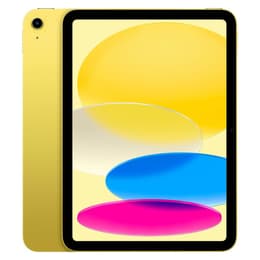
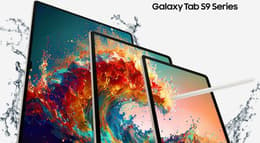
The Samsung Galaxy Tab S9, released in July 2023, and the Apple iPad (10th generation), launched in October 2022, are two prominent tablets offering distinct experiences. The Galaxy Tab S9 operates on Android with Samsung's One UI, while the iPad runs on Apple's iPadOS. Key differentiators include their display technologies, included accessories, and ecosystem integration, catering to different user preferences.
Colour
Storage
The longevity of a tablet is influenced by its release timeline, software support, and physical resilience. The Galaxy Tab S9, released in July 2023, is newer than the iPad (10th generation), which launched in October 2022. This difference impacts their respective software support lifecycles.
Year of Release
Compatible with latest Update
OS
Tablet performance is crucial for smooth operation, from everyday tasks to more demanding applications. Both devices offer capable hardware designed for a responsive user experience.
The display is a primary interaction point for tablets, influencing media consumption, productivity, and overall user satisfaction.
Resolution
Screen type
Pixel density
Camera capabilities and audio quality contribute significantly to a tablet's utility for communication, content creation, and entertainment.
Beyond core performance, various practical elements contribute to a tablet's overall usability and integration into a user's digital life.
Weight
Screen size (in)
Network
Carrier compatibility
User sentiment for the Galaxy Tab S9 often highlights its vibrant AMOLED display, robust performance for gaming and multitasking, and the included S Pen as significant advantages. Its IP68 water and dust resistance is also appreciated. Criticisms sometimes mention its battery life being good but not exceptional, and the base 128GB storage might be considered limited, though expandable storage helps.
The iPad (10th generation) is frequently praised for its modern design, capable performance for everyday use, and the improved camera system, particularly the landscape-oriented front camera for video calls. Users generally find it reliable for browsing, streaming, and light productivity. Common criticisms include the initial pricing, the slower USB-C 2.0 port, and the somewhat awkward Apple Pencil (1st Gen) charging. The non-laminated screen is also occasionally mentioned.
Users prioritizing a vibrant, high-refresh-rate AMOLED display, expandable storage, and an included stylus for creative or productivity tasks may find the Samsung Galaxy Tab S9 more aligned with their needs. Its robust build with water and dust resistance also suits varied environments. Conversely, users who value the iPadOS ecosystem, a consistent user experience, and a tablet primarily for media consumption, video calls, and general productivity might lean towards the iPad (10th generation). Both tablets offer a quality-assured refurbished option, providing an eco-friendly alternative for consumers seeking reliable devices.