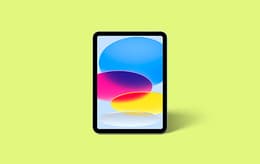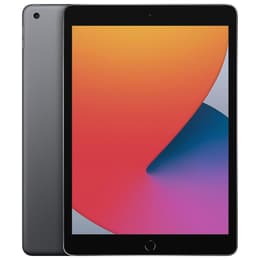
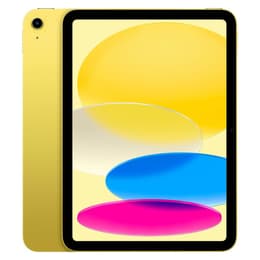

iPad 8 (2020, A12 series) Vs iPad 10 (2022, A14 series)

iPad 8 (2020, A12 series)
Starting at

Refurbished price:£90.00

Versus £329.00 new

See options
iPad 10 (2022, A14 series)
Starting at

Refurbished price:£223.00

Versus £349.00 new

See options

Ratings

The iPad (8th Generation), released in September 2020, and the iPad (10th Generation), launched in October 2022, represent Apple's standard tablet offerings. While both devices run on iPadOS and provide a consistent user experience, the 10th Generation model introduces a refreshed design, an updated processor, and enhanced camera capabilities that distinguish it from its predecessor.

Scores

Durability

When considering the longevity of these tablets, several factors come into play, including their release timelines, expected software support, and physical durability.

  • Release Timeline: The iPad (8th Generation) was released in September 2020, making it older than the iPad (10th Generation), which debuted in October 2022. This two-year difference in release dates directly impacts their potential software support lifespan.
  • OS Support Duration: Apple typically provides iPadOS updates for five to seven years from a device's release. The iPad (8th Generation), with its A12 Bionic chip, is expected to receive major iPadOS updates until around 2025 or 2026. The iPad (10th Generation), featuring the A14 Bionic chip, is likely to receive updates for a longer period, potentially until 2027 or 2028, offering an extended period of access to the latest features and security enhancements.
  • Repairability: Both iPad models are generally considered challenging to repair due to their construction, which often involves strong adhesives. User reports and teardowns suggest that while internal components might be accessible, the process of opening the device without causing further damage can be difficult. The iPad (10th Generation) has been noted to have a structural weakness around the Smart Connector area, making it susceptible to bending under pressure.

Year of Release

2020

2022

Compatible with latest Update

Yes

Yes

OS

iPadOS

iPadOS

Maximum Operating System supported

iPadOS 18

iPadOS 18

Performance

The performance of a tablet is crucial for handling daily tasks, from browsing and streaming to more demanding applications. Both iPads offer capable performance, but the newer model benefits from a more advanced processor.

  • Processor Capabilities: The iPad (8th Generation) is powered by a processor that handles everyday applications, web browsing, and casual gaming smoothly. The iPad (10th Generation) features a more advanced processor, providing a noticeable improvement in speed and responsiveness for demanding apps, multitasking, and graphically intensive games. This newer processor also includes an enhanced Neural Engine, which benefits AI-driven tasks.
  • Storage Options: The iPad (8th Generation) was available with 32GB or 128GB of internal storage. The iPad (10th Generation) offers more practical base storage options of 64GB and 256GB. For users who store many apps, games, or media, the larger base storage of the 10th Generation is a significant advantage.
  • Battery Behavior: Both models are designed to provide up to 10 hours of web surfing or video playback over Wi-Fi, and up to 9 hours using cellular data. Real-world usage reports generally align with these figures, with battery life lasting a full day for typical activities like browsing, streaming, and light gaming.

Memory (GB)

3 GB

4 GB

Processor

Apple A12 Bionic

Apple A14 Bionic

Screen quality

The display is a primary interface for any tablet, and both iPads offer a quality viewing experience, though with some distinctions in design and technology.

  • Display Technology and Size: The iPad (8th Generation) features a 10.2-inch Retina IPS LCD display with a resolution of 2160 x 1620 pixels. The iPad (10th Generation) has a slightly larger 10.9-inch Liquid Retina IPS LCD display with a resolution of 2360 x 1640 pixels. Both displays offer 264 pixels per inch (ppi) and 500 nits of peak brightness, ensuring clear and bright visuals.
  • Design and Viewing Experience: The 10th Generation iPad adopts a more modern, all-screen design with thinner bezels, similar to the iPad Air, which enhances the immersive viewing experience. The 8th Generation retains the classic iPad design with a home button and thicker bezels. Neither model features a laminated display, meaning there is a small gap between the glass and the LCD panel, which can be noticeable in certain lighting conditions.
  • Refresh Rate: Both iPads feature a standard 60Hz refresh rate, which provides a smooth experience for most content, but does not offer the enhanced fluidity seen on devices with higher refresh rates.

Resolution

2160 x 1620

2360 x 1640

True Tone

No

Yes

Pro-Motion

No

No

Screen type

Retina display

Liquid Retina display

Pixel density

264ppp

264ppp

Brightness

500 nits brightness

500 nits brightness

Sound quality

Speakers

Stereo speakers

Stereo speakers

Audiovisual

Camera capabilities have seen notable improvements in the newer iPad model, particularly for video calls and everyday photography.

  • Rear Camera System: The iPad (8th Generation) includes an 8-megapixel wide rear camera capable of recording 1080p video at 30 frames per second. The iPad (10th Generation) upgrades to a 12-megapixel wide rear camera with an f/1.8 aperture, supporting 4K video recording at up to 60 frames per second and Smart HDR 3 for improved image quality in challenging lighting.
  • Front Camera and Video Calls: The 8th Generation iPad features a 1.2-megapixel FaceTime HD front camera, which is suitable for basic video calls but can appear less sharp in low light. The 10th Generation significantly improves this with a 12-megapixel ultra-wide front camera, positioned on the landscape edge, which is ideal for video conferencing and supports Center Stage for keeping subjects in frame.
  • Audio Experience: Both models feature stereo speakers. The iPad (10th Generation) offers a quad-speaker setup, providing a more immersive audio experience for media consumption. Both also include dual microphones for calls.

Miscellaneous

Beyond core performance and display, several practical elements differentiate these two iPad models, impacting connectivity, accessory compatibility, and overall user interaction.

  • Connectivity Options: The iPad (8th Generation) supports Wi-Fi 802.11ac and Bluetooth 4.2. The iPad (10th Generation) features newer standards, including Wi-Fi 6 (802.11ax) and Bluetooth 5.2, offering faster and more reliable wireless connections. Cellular models of the 10th Generation also support 5G connectivity, while the 8th Generation supports Gigabit LTE.
  • Port Types and Accessories: The 8th Generation iPad uses a Lightning port for charging and data transfer and retains a 3.5mm headphone jack. It supports the 1st Generation Apple Pencil and the Smart Keyboard via a Smart Connector. The 10th Generation transitions to a USB-C port, aligning with other modern Apple devices, but removes the headphone jack. It also supports the 1st Generation Apple Pencil, though an adapter is required for charging, and is compatible with the Magic Keyboard Folio.
  • Biometric Authentication and Design: The iPad (8th Generation) features Touch ID integrated into the home button. The iPad (10th Generation) moves Touch ID to the power button on the top edge, contributing to its more modern, all-screen design. The 10th Generation is also slightly thinner and lighter than the 8th Generation.

Weight

490 g

477 g

Width

17.41 cm

17.95 cm

Height

25.06 cm

24.86 cm

Depth

0.75 cm

0.7 cm

Screen size (in)

10.2

10.9

Network

Wi-Fi

Wi-Fi

Carrier compatibility

Without SIM Port

Without SIM Port

Wi-Fi technology

Wi-Fi 6 802.11a/b/g/n/ac

Wi-Fi 6 802.11ax

Bluetooth Version

Bluetooth 4.2

Bluetooth 5.2

Face ID

No

No

Touch ID

Yes

Yes

Connector

Lightning connector

USB Type-C

User sentiment for both the iPad (8th Generation) and iPad (10th Generation) generally highlights their reliability and performance within their respective contexts. The 8th Generation iPad is often praised for its solid performance for everyday tasks and its continued software support, making it a dependable option for general use. Criticisms often point to its dated design, including thicker bezels and the older front-facing camera, which is less ideal for modern video conferencing.

The 10th Generation iPad receives commendation for its refreshed, modern design, improved cameras (especially the landscape-oriented front camera with Center Stage), and the transition to USB-C connectivity. Users appreciate the larger screen and enhanced performance for a smoother experience. However, some users have noted concerns regarding its durability, particularly a potential weakness around the Smart Connector area, and the need for an adapter to charge the 1st Generation Apple Pencil.

Users prioritizing a more modern aesthetic, improved camera capabilities for video calls, and faster connectivity will find the iPad (10th Generation) well-suited to their needs. Its updated processor also provides more headroom for future software and demanding applications. Conversely, users seeking a reliable and functional tablet for basic tasks, content consumption, and light productivity, who may not require the latest design or camera features, might find the iPad (8th Generation) to be a suitable choice. Both models offer access to the extensive iPadOS ecosystem, ensuring a wide range of applications and services.

For those considering either model, exploring quality-assured refurbished options can provide an eco-friendly alternative, extending the life cycle of these devices while offering a reliable product.

See all articles

Our recent comparisons