Galaxy Tab A9 (8.7", 2023) Vs iPad 8 (2020, A12 series)

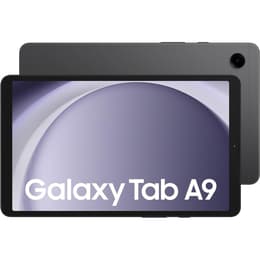
Galaxy Tab A9 (8.7", 2023)
Starting at

Refurbished price:£87.00

Versus £219.00 new

See options
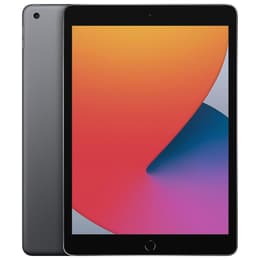
iPad 8 (2020, A12 series)
Starting at

Refurbished price:£90.00

Versus £329.00 new

See options

Ratings

The Samsung Galaxy Tab A9, released in October 2023, and the Apple iPad (8th generation), launched in September 2020, are both tablets designed for everyday use. While the Galaxy Tab A9 runs on Android, offering a compact form factor, the iPad (8th generation) operates on iPadOS, providing a larger display and a different ecosystem experience. This comparison will explore their practical differences to help users determine which device best suits their needs.

Scores

Durability

When considering the long-term usability of these tablets, their release timelines and software support are key factors.

  • Release Timeline: The Galaxy Tab A9 is a newer device, released in late 2023, while the iPad (8th generation) was introduced in late 2020. This three-year difference means the Galaxy Tab A9 benefits from more recent hardware and a longer potential support window from its launch date.
  • Software Longevity: Apple typically provides major iPadOS updates for 5 to 7 years from a device's release, with the iPad (8th generation) supporting iPadOS 26, albeit with some feature limitations. Samsung generally offers 3 major Android OS updates and 7 years of security updates for its A-series tablets, suggesting the Galaxy Tab A9 will receive updates for a considerable period.
  • Repairability: The repairability of both devices presents challenges. The Galaxy Tab A9 has a moderate repairability score of 4.0 out of 10, with battery replacement being accessible but involving adhesive, and screen removal requiring delicate handling. Similarly, the iPad (8th generation) is noted for a low repairability score, often making repairs complex due to components like the taped battery and delicate screen assembly.

Year of Release

2023

2020

Compatible with latest Update

Yes

Yes

OS

Android

iPadOS

Performance

The performance of a tablet directly impacts its responsiveness and ability to handle various applications.

  • Processing Power: The iPad (8th generation) is equipped with a processor that delivers robust performance for its class, ensuring smooth operation across a wide range of applications, from casual browsing to more demanding tasks and gaming. The Galaxy Tab A9 features a processor that handles everyday apps and multitasking efficiently, though it may show limitations with graphically intensive games.
  • Multitasking and Responsiveness: The iPad (8th generation) comes with 3GB of RAM, which, combined with iPadOS optimization, provides a fluid multitasking experience. The Galaxy Tab A9 offers 4GB of RAM in its base model and up to 8GB in higher configurations, which aids in keeping multiple apps open and running smoothly.
  • Storage Options: Both tablets offer different storage configurations. The iPad (8th generation) is available with 32GB or 128GB of internal storage. The Galaxy Tab A9 provides 64GB or 128GB of internal storage, with the added flexibility of expanding storage up to 1TB using a microSD card.

Memory (GB)

4 GB

3 GB

Screen quality

The display is a primary interface for any tablet, influencing media consumption and productivity.

  • Display Technology and Size: The iPad (8th generation) features a 10.2-inch Retina IPS LCD display, known for its clarity and color accuracy. The Galaxy Tab A9 has a more compact 8.7-inch LCD screen, which makes it easier for one-handed use and portability.
  • Resolution and Clarity: The iPad (8th generation) offers a higher resolution of 2160 x 1620 pixels, resulting in a sharper image with 264 pixels per inch (ppi). The Galaxy Tab A9 has a resolution of 1340 x 800 pixels, providing sufficient clarity for general viewing, though with a lower pixel density of approximately 179 ppi.
  • Brightness and Refresh Rate: The iPad (8th generation) achieves a brightness of 500 nits, making it viewable in various lighting conditions, including outdoors. The Galaxy Tab A9 can reach up to 570 nits in some conditions, or around 459 nits in typical use, offering good indoor visibility and usability in bright, non-direct sunlight. Both devices feature a standard 60Hz refresh rate.

Resolution

800 x 1340

2160 x 1620

Screen type

TFT LCD

Retina display

Pixel density

180ppp

264ppp

Audiovisual

While tablets are not typically primary photography devices, their camera and audio capabilities are important for video calls and media.

  • Rear Camera Performance: Both tablets are equipped with an 8-megapixel rear camera. The iPad (8th generation)'s rear camera captures decent photos and 1080p video at 30 frames per second, suitable for general use. The Galaxy Tab A9's 8-megapixel rear camera also takes acceptable pictures, especially in good lighting conditions, and records FHD video at 30fps.
  • Front Camera for Video Calls: For video conferencing, the iPad (8th generation) features a 1.2-megapixel front-facing camera, which is functional but may appear less sharp compared to more modern tablet cameras. The Galaxy Tab A9 offers a 2-megapixel front camera, providing a slightly higher resolution for selfies and video calls.
  • Audio Experience: Both devices include stereo speakers. The iPad (8th generation) provides clear stereo sound and dual microphones for calls. The Galaxy Tab A9 also features stereo speakers with Dolby Atmos support and a 3.5mm audio jack, delivering loud enough sound for media consumption.

Miscellaneous

Beyond core specifications, several practical features contribute to the overall user experience.

  • Connectivity: The iPad (8th generation) supports Wi-Fi 802.11ac and Bluetooth 4.2, with optional Gigabit 4G LTE for cellular connectivity. The Galaxy Tab A9 offers more current connectivity with Wi-Fi 802.11ac and Bluetooth 5.3, also with an optional LTE model.
  • Ports and Biometrics: The iPad (8th generation) uses a Lightning port for charging and data transfer and includes a Touch ID fingerprint sensor integrated into the Home button for secure unlocking. The Galaxy Tab A9 features a USB-C port, which is a more universal standard, and typically relies on face recognition for biometric security.
  • Design and Handling: The iPad (8th generation) has dimensions of 250.6 x 174.1 x 7.5 mm and weighs around 490g (Wi-Fi model), offering a substantial feel. The Galaxy Tab A9 is more compact and lighter at 211.0 x 124.7 x 8.0 mm and 332g (Wi-Fi model), making it highly portable and comfortable for extended one-handed use.

Weight

332 g

490 g

Width

21,1 cm

17.41 cm

Height

12,47 cm

25.06 cm

Depth

0,8 cm

0.75 cm

Screen size (in)

8.7

10.2

Network

Wi-Fi + 4G

Wi-Fi

Carrier compatibility

Unlocked

Without SIM Port

User feedback for the iPad (8th generation) often highlights its reliable performance and suitability for students and casual users, praising its speed and overall value. Common criticisms include its dated design with larger bezels and the lower resolution of its front-facing camera for modern video calls. The Galaxy Tab A9 is frequently lauded for its compact size, comfortable handling, and surprisingly good build quality for its segment. Users appreciate its capability for media consumption and light tasks, though some note its limitations with demanding applications.

Users prioritizing a larger display, a well-established app ecosystem, and consistent performance for a broad range of tasks may find the iPad (8th generation) well-suited to their needs. Its robust software support also contributes to its longevity. Conversely, individuals seeking a highly portable, lightweight tablet for media consumption, casual browsing, and basic productivity, especially those who prefer the Android ecosystem and expandable storage, may lean toward the Galaxy Tab A9. Both devices offer solid experiences within their respective categories, and choosing a quality-assured refurbished option for either can be a sustainable choice for budget-conscious consumers.

See all articles

Our recent comparisons