
iPad 5 (2017, A9 series) Vs iPad 8 (2020, A12 series)

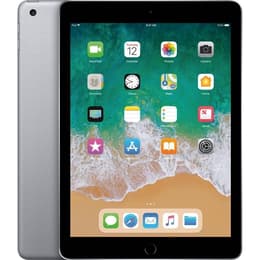
iPad 5 (2017, A9 series)
Starting at

Refurbished price:£48.50

Versus £339.00 new

See options
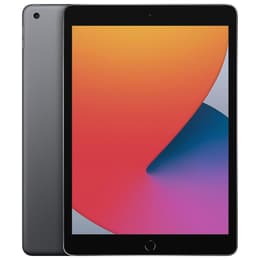
iPad 8 (2020, A12 series)
Starting at

Refurbished price:£90.00

Versus £329.00 new

See options

Ratings

The iPad 2017 (5th generation) and iPad 2020 (8th generation) are two standard tablet models from Apple, released three years apart. While both offer the familiar iPadOS experience, the iPad 2020 introduces a more capable processor, a slightly larger display, and expanded accessory support, making it a more versatile option for a wider range of tasks. Both devices run on Apple's iPadOS, ensuring a consistent software environment, though their longevity in terms of software updates differs.

Scores

Durability

The practical lifespan of a tablet is heavily influenced by its software support and hardware capabilities. The iPad 2017, released in March 2017, has reached the end of its major iPadOS update cycle, with its last major version being iPadOS 16. In contrast, the iPad 2020, launched in September 2020, benefits from a newer processor and is expected to receive major iPadOS updates for several more years, including iPadOS 26. This difference in software longevity directly impacts how long users can expect to run the latest applications and benefit from new features and security enhancements.

  • Software Longevity: The iPad 2020 offers a significantly longer period of major iPadOS updates compared to the iPad 2017, which has already ceased receiving new major OS versions.
  • Repairability: Both models feature a similar construction, and while specific repairability scores can vary, they generally present comparable challenges for common repairs.
  • Practical Lifespan: Users prioritizing long-term software support and access to the latest apps will find the iPad 2020 to have a considerably longer practical lifespan.

Year of Release

2017

2020

Compatible with latest Update

No

Yes

OS

iPadOS

iPadOS

Maximum Operating System supported

iPadOS 16

iPadOS 18

Performance

Performance is a key differentiator between these two iPad generations, primarily due to their respective processors. The iPad 2017 is equipped with an A9 chip, while the iPad 2020 features the more advanced A12 Bionic chip.

  • Processor Capabilities: The iPad 2020's processor delivers a notable increase in speed and efficiency, resulting in smoother performance for demanding applications, more fluid multitasking, and an improved experience with graphically intensive games. The iPad 2017's processor is suitable for everyday tasks like web browsing, email, and light content consumption.
  • System Responsiveness: The newer processor in the iPad 2020 contributes to a more responsive overall system, with quicker app loading times and seamless transitions between tasks.
  • Storage Options: Both models offer 32GB and 128GB storage configurations, providing options for different user needs.

Memory (GB)

2 GB

3 GB

Processor

Apple A9

Apple A12 Bionic

Screen quality

Both the iPad 2017 and iPad 2020 feature Retina IPS LCD displays, offering good visual quality for general use. However, there are subtle differences in size and resolution that impact the viewing experience.

  • Display Technology and Size: The iPad 2017 has a 9.7-inch Retina IPS LCD display with a resolution of 2048 x 1536 pixels. The iPad 2020 features a slightly larger 10.2-inch Retina IPS LCD display with a resolution of 2160 x 1620 pixels. This provides a more expansive viewing area on the newer model.
  • Clarity and Brightness: Both displays offer sharp text and vibrant colors, suitable for reading, browsing, and media consumption. Neither model includes advanced display features like ProMotion or True Tone.
  • Viewing Experience: The larger screen of the iPad 2020 enhances the immersive quality for videos and offers more screen real estate for multitasking, though both maintain a standard 60Hz refresh rate.

Resolution

2048 x 1536

2160 x 1620

True Tone

No

No

Pro-Motion

No

No

Screen type

Retina display

Retina display

Pixel density

264ppp

264ppp

Brightness

500 nits brightness

500 nits brightness

Sound quality

Speakers

Stereo speakers

Stereo speakers

Audiovisual

The camera systems on the iPad 2017 and iPad 2020 are largely similar, designed for casual photography, video calls, and document scanning rather than advanced photographic endeavors.

  • Camera System Capabilities: Both iPads are equipped with an 8-megapixel rear camera and a 1.2-megapixel front-facing camera. These specifications are adequate for everyday use.
  • Photography Performance: In well-lit conditions, both devices capture clear images. However, neither excels in low-light environments, and they lack advanced features found in more recent iPad Pro models.
  • Video Recording and Audio: Both models support 1080p video recording with the rear camera and 720p video with the front camera. The microphone quality is suitable for video conferencing and voice recordings, and the stereo speakers provide a standard audio experience for media playback.

Miscellaneous

Beyond core performance and display, several practical elements differentiate the iPad 2017 and iPad 2020, particularly concerning connectivity and accessory compatibility.

  • Connectivity Options: Both iPads support Wi-Fi 802.11ac and Bluetooth 4.2. Cellular models are available for both, offering LTE connectivity.
  • Port Types: Both devices utilize the Lightning port for charging and data transfer, and they retain a 3.5mm headphone jack.
  • Accessory Support: A significant advantage of the iPad 2020 is its compatibility with the 1st generation Apple Pencil and the Smart Keyboard. The iPad 2017 does not support either of these accessories. This makes the iPad 2020 a more versatile tool for note-taking, drawing, and productivity tasks.
  • Physical Characteristics: The iPad 2017 measures 240 x 169.5 x 7.5 mm and weighs 469g (Wi-Fi). The iPad 2020 is slightly larger and heavier at 250.6 x 174.1 x 7.5 mm and 490g (Wi-Fi), due to its larger screen. Both feature an aluminum unibody construction.

Weight

469 g

490 g

Width

16.95 cm

17.41 cm

Height

24 cm

25.06 cm

Depth

0.75 cm

0.75 cm

Screen size (in)

9.7

10.2

Network

Wi-Fi

Wi-Fi

Carrier compatibility

Without SIM Port

Without SIM Port

Wi-Fi technology

Wi-Fi 6 802.11a/b/g/n/ac

Wi-Fi 6 802.11a/b/g/n/ac

Bluetooth Version

Bluetooth 4.2

Bluetooth 4.2

Face ID

No

No

Touch ID

Yes

Yes

Connector

Lightning connector

Lightning connector

The iPad 2017 and iPad 2020 cater to different user needs, primarily distinguished by their performance capabilities and accessory support. The iPad 2017 is often praised for its continued functionality for basic tasks such as web browsing, email, and media consumption, making it a suitable entry-level tablet or a secondary device. However, common criticisms revolve around its aging processor and the cessation of major iPadOS updates, which limits its long-term viability for modern applications.

The iPad 2020, on the other hand, receives commendation for its more powerful processor, which significantly enhances multitasking, gaming, and overall system responsiveness. Its support for the 1st generation Apple Pencil and Smart Keyboard also makes it a more versatile tool for productivity and creative work. While it still retains the classic iPad design with bezels, users generally appreciate its extended software support and improved performance for a more future-proof experience.

Users prioritizing a simple, functional tablet for light use and media consumption may find the iPad 2017 sufficient. However, for those who require a more capable device for productivity, note-taking, light gaming, and a longer period of software updates, the iPad 2020 is better suited. Choosing a quality-assured refurbished option for either model can be an eco-friendly alternative, providing access to these devices while extending their lifecycle.


See all articles

Our recent comparisons